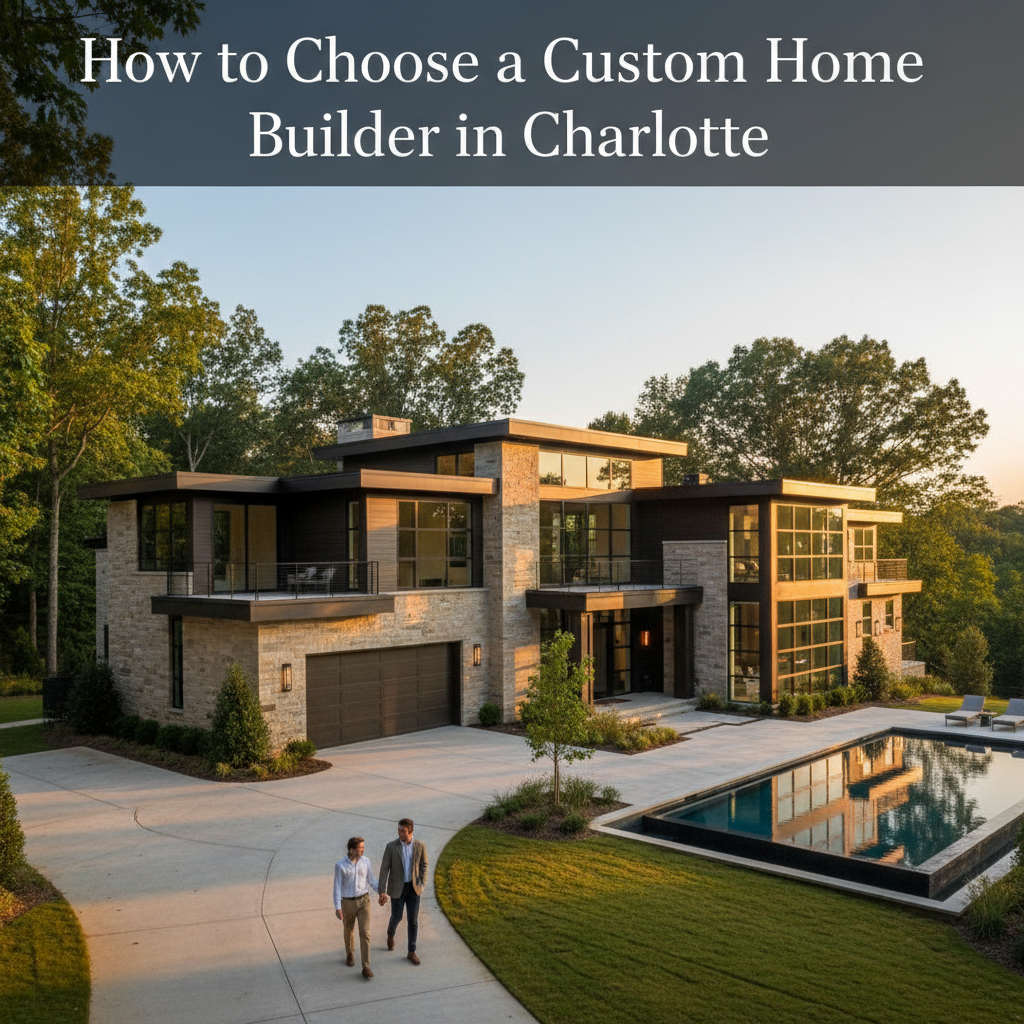
Researched Guide
Compiled from public and official sources; not based on a visit.
How to Choose a Custom Home Builder in Charlotte
Charlotte, North Carolina, with its booming economy, vibrant culture, and picturesque neighborhoods, has become a beacon for those seeking an elevated lifestyle. For many discerning homeowners, this translates into building a custom home – a sanctuary meticulously designed to reflect their unique tastes, needs, and aspirations. However, the journey to a dream home begins long before the first brick is laid. It starts with selecting the right custom home builder, a decision that can significantly impact the entire process, from conceptualization to move-in day. In a market as dynamic as Charlotte's, where numerous builders vie for your attention, knowing what to look for, what to avoid, and what questions to ask is paramount.
Understanding the Custom Home Building Landscape in Charlotte
Charlotte’s custom home market is diverse, ranging from established, multi-generational firms to innovative, boutique builders specializing in specific architectural styles or sustainable practices. Each brings a unique approach, a distinct portfolio, and a team of experts dedicated to transforming visions into reality. The key is finding a builder whose philosophy aligns with yours, a partner who understands your desire for quality, craftsmanship, and a truly personalized experience.
The Foundation: Research and Due Diligence
Before you even think about design, meticulous research is your most valuable tool. Start by exploring online portfolios, industry awards, and client testimonials. Look for builders whose past projects resonate with your aesthetic preferences and demonstrate a commitment to high-quality finishes and attention to detail. Pay close attention to builders who are active in the Charlotte community, as this often indicates a deep understanding of local regulations, preferred subcontractors, and regional architectural nuances.
Consider builders like Peters Custom Homes, renowned for their bespoke designs and unwavering dedication to client satisfaction. Their portfolio often showcases homes that are not only architecturally stunning but also incredibly functional and reflective of the homeowners' lifestyles. Observing their work can provide valuable insights into the level of craftsmanship and personalized service you should expect.
What to Look for in a Top-Tier Custom Home Builder
Experience and Expertise:
A builder with a proven track record in custom home construction in Charlotte is essential. This experience translates to a deep understanding of complex building codes, permits, and subcontractor management. Ask about their tenure in the industry and specific experience with projects similar in scope and style to yours.
Communication and Transparency:
Effective communication is the cornerstone of a successful custom home build. Your builder should be responsive, proactive, and transparent about every aspect of the project, from budgeting to timelines. They should be able to clearly articulate their processes and keep you informed at every stage.
Design and Architectural Acumen:
A custom home builder should possess a strong design sensibility or collaborate closely with talented architects and designers. They should be able to translate your abstract ideas into tangible designs, offering creative solutions and guiding you through material selections. For instance, collaborating with design firms like Emerald & Oak Design can elevate a custom home project, ensuring that aesthetic vision and functional requirements are seamlessly integrated from the outset.
Reputation and References:
Beyond online reviews, request recent client references. Speak with past clients about their experience, focusing on aspects like project management, budget adherence, and overall satisfaction. A reputable builder will be happy to provide this information.
Financial Stability and Licensing:
Verify the builder's licensing and insurance. A financially stable builder is less likely to encounter delays or issues due to cash flow problems. Ask for proof of liability insurance and workers' compensation.
Quality of Subcontractors and Materials:
A custom home is only as good as its weakest link. Inquire about the builder's network of subcontractors and their sourcing of materials. Do they work with trusted, skilled craftsmen? Do they prioritize high-quality, durable materials that align with your vision for a luxury home?
Warranty and After-Sales Service:
A reputable builder stands behind their work. Understand their warranty policies and what kind of after-sales service they provide. This demonstrates their commitment to your satisfaction long after you've moved in.
Red Flags to Watch Out For
While the allure of a custom home can be captivating, it's crucial to remain vigilant for warning signs that could indicate a less-than-ideal builder:
Lack of Transparency Regarding Costs:
A vague or evasive approach to budgeting is a major red flag. A good builder will provide detailed cost breakdowns and promptly communicate any potential changes.
Negative Client Reviews or Unreachable References:
While a single negative review isn't always damning, a pattern of complaints or an unwillingness to provide references should raise concerns.
Unrealistic Timelines or Guarantees:
Building a custom home takes time. Be wary of builders who promise impossibly fast completion dates or make unrealistic guarantees.
Poor Communication Skills:
If initial communications are slow, unclear, or dismissive, it’s a strong indicator of future problems.
Pressure Tactics:
A builder who pressures you into signing contracts before you're comfortable or who discourages you from seeking independent advice should be avoided.
No Formal Contracts or Vague Agreements:
Every detail should be outlined in a comprehensive, legally binding contract. Avoid handshake deals or ambiguous agreements.
Key Questions to Ask During Initial Interviews
Once you've shortlisted a few builders, schedule in-depth interviews. These conversations are crucial for assessing not only their technical capabilities but also their personality and working style. Here are some essential questions to ask:
- “What is your experience building custom homes in Charlotte, specifically in [your desired neighborhood, e.g., Dilworth]?”
- “Can you provide a detailed breakdown of your building process, from design to completion?”
- “How do you handle budget management and potential cost overruns?”
- “What is your typical project timeline for a home of this size and complexity?”
- “Who will be my primary point of contact throughout the project, and how often can I expect updates?”
- “How do you manage unforeseen challenges or changes during construction?”
- “Can you provide references from past clients whose homes are similar to what I envision?”
- “What sets your company apart from other custom home builders in Charlotte?”
- “How do you ensure quality control at every stage of the build?”
- “What is your approach to sustainable building practices or smart home technology, if that's a priority for me?”
- “What kind of warranty do you offer, and what does it cover?”
- “How do you handle post-construction follow-ups and any potential issues?”
The Importance of a Detailed Contract
Once you’ve chosen your builder, the contract is your lifeline. Ensure it’s comprehensive, clear, and includes:
- Detailed specifications for all materials and finishes.
- A fixed price or a clear cost-plus agreement with defined margins.
- A realistic construction schedule with milestones.
- Payment schedules tied to project completion phases.
- Provisions for change orders and how they will be managed.
- Warranty information and dispute resolution procedures.
- Proof of insurance and licensing.
It's highly advisable to have an independent attorney review the contract before you sign, especially one with experience in construction law. This ensures your interests are protected and all clauses are fair and transparent. For further insights into legal considerations, you might find valuable information on understanding NC real estate law.
Building a Partnership, Not Just a House
Choosing a custom home builder is more than a commercial transaction; it’s the beginning of a significant partnership. The right builder will not only possess the technical skills but also the interpersonal skills to guide you through this complex yet rewarding process. They will listen to your ideas, offer expert advice, and ultimately deliver a home that exceeds your expectations.
Charlotte offers an abundance of talent, and with careful consideration, thorough research, and keen attention to detail, you can find the perfect partner to bring your custom home dreams to life. Remember that your luxury custom home in Charlotte should be a reflection of your unique style and a testament to uncompromising quality. With the right builder, including those known for exceptional craftsmanship like Peters Custom Homes, and designers who excel at bringing visions to life, such as Emerald & Oak Design, your journey to an extraordinary residence will be a smooth and enjoyable one. Explore more about local market dynamics in our article on Charlotte luxury market trends to make the most informed decisions.
Frequently Asked Questions
How long does it typically take to build a custom home in Charlotte?
The timeline for building a custom home in Charlotte can vary significantly based on the size, complexity, and customization of the project. Generally, it can take anywhere from 12 to 24 months, starting from the initial design phase to final completion. Factors like permitting, material availability, and unforeseen weather delays can also influence the schedule.
What is the average cost per square foot for a custom home in Charlotte?
The average cost per square foot for a custom home in Charlotte can range widely, typically from $300 to $600+, depending on the level of finishes, architectural style, lot conditions, and amenities. Luxury custom homes with high-end materials, custom millwork, and advanced technology will naturally be at the higher end of this spectrum.
Should I have an architect or designer before contacting a builder?
While some custom home builders offer in-house design services or have preferred architects they collaborate with, it's often beneficial to have a clear vision or even preliminary architectural plans before approaching builders. This helps streamline the bidding process and ensures the builder understands your aesthetic and functional requirements from the outset. Many luxury builders, like Peters Custom Homes, are adept at working with client-selected architectural and design partners, such as Emerald & Oak Design.
What kind of warranty should a custom home builder provide?
A reputable custom home builder should offer a comprehensive warranty. Typically, this includes a one-year warranty on workmanship and materials, a two-year warranty on major systems (plumbing, electrical, HVAC), and a 10-year structural warranty. Always review the specific terms and exclusions of the warranty in your contract.
How do I ensure my budget isn't exceeded during construction?
To keep your budget in check, establish a clear and detailed contract with explicit specifications for all materials and finishes. Ensure there's a well-defined process for change orders, including how they will impact cost and timeline. Regular communication with your builder, detailed financial reporting, and having a contingency fund (typically 10-15% of the total budget) are crucial for managing costs effectively.