Researched Guide
Compiled from public and official sources; not based on a visit.
Mid-Century Modern Renovation in Charlotte: Expert Insights
Renovation in Charlotte's luxury market requires a unique blend of vision, expertise, and meticulous planning. Whether you're undertaking a whole home renovation in Myers Park, SouthPark, or the Lake Norman communities, understanding the local market dynamics, building codes, and contractor landscape is essential. Charlotte's renovation sector has matured significantly, with firms like Peters Custom Homes and other established builders offering comprehensive renovation services that rival new construction in quality and attention to detail.
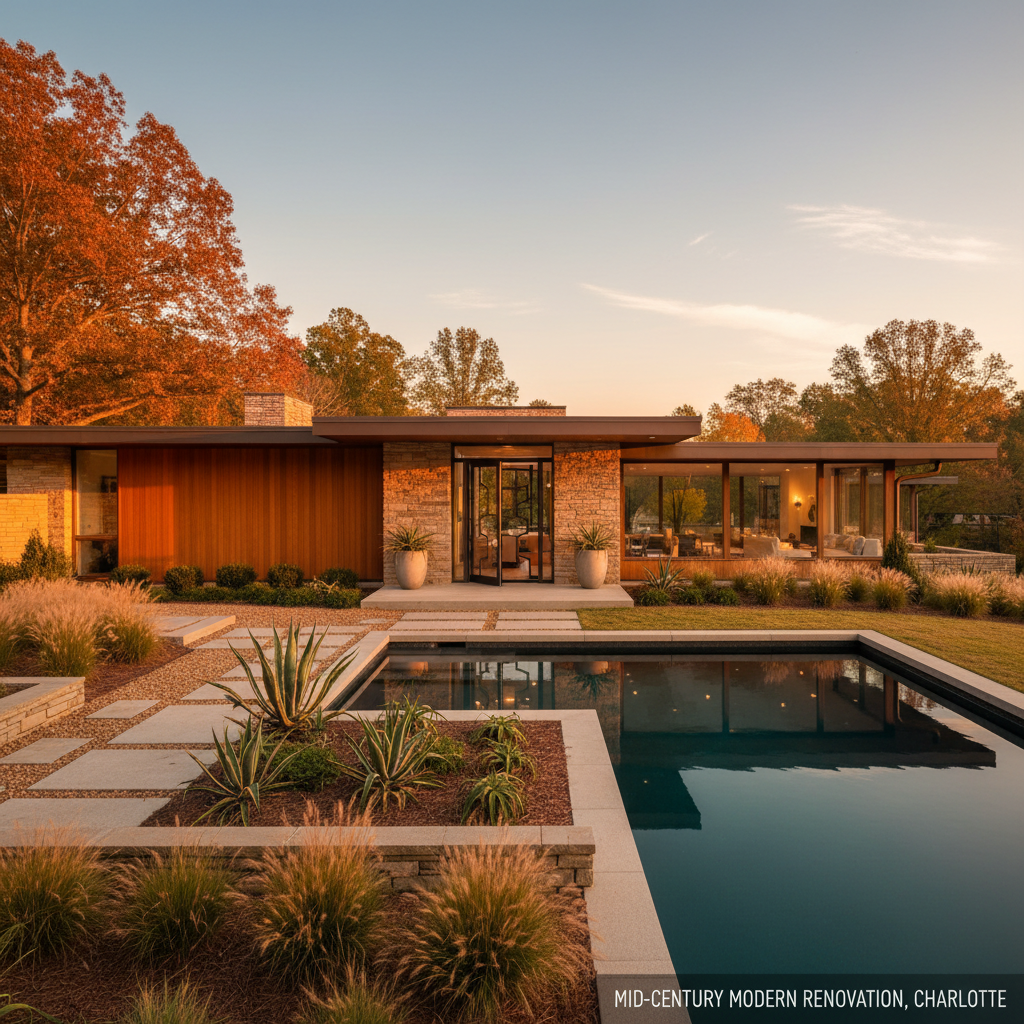
This article delves into the intricacies of renovating a Mid-Century Modern home in Charlotte, a popular architectural style that resonates with a desire for clean lines, open spaces, and a connection to nature. Charlotte, with its burgeoning population and strong economy, boasts a diverse housing stock, including numerous Mid-Century gems, particularly in established neighborhoods like Sedgefield, Chantilly, and parts of Eastover. These homes often present unique opportunities and challenges for renovators looking to honor their architectural heritage while integrating modern comforts and functionalities. Understanding how to approach such a project in Charlotte requires a deep dive into design, budget, contractor selection, and the specific nuances of the Queen City's real estate market.
Cost Analysis & Budgeting
Understanding renovation costs in Charlotte requires looking beyond national averages. The Charlotte luxury market commands premium pricing for materials and labor, reflecting the quality expectations of discerning homeowners. Whole Home renovation projects in Charlotte typically range from moderate updates starting around $50,000 to comprehensive transformations exceeding $500,000, depending on scope, materials, and structural complexity.
For a Mid-Century Modern whole home renovation in Charlotte, the price can fluctuate significantly based on the extent of structural work, the preservation of original features, and the desired level of finish. Expect to allocate a larger portion of your budget towards preserving or restoring original Mid-Century elements, such as statement fireplaces, original hardwoods, or unique built-ins. For instance, a 2,500-square-foot Mid-Century home in a desirable area like Cotswold or Madison Park could see renovation costs ranging from $150,000 to $400,000 or more, depending on the complexity of the desired modern upgrades and the conservation of original details.
Smart budgeting for Charlotte whole home renovations includes allocating 15-20% for contingencies — unexpected discoveries are common, especially in older homes throughout Dilworth, Myers Park, and Elizabeth. This is particularly true for Mid-Century homes, which might have original plumbing or electrical systems that need updating, or unique structural elements that require specialized attention. Working with experienced Charlotte contractors who provide detailed, itemized estimates helps homeowners make informed decisions and avoid costly surprises during construction. For Mid-Century Modern renovations, ensure your contractor has experience with this style and can accurately estimate costs for specialized materials or restoration work; a local contractor familiar with the Sedgefield or Chantilly areas will have a better grasp of typical costs for homes of that vintage.
Design Trends & Inspiration
Charlotte's whole home renovation trends reflect the city's position as a sophisticated Southern metropolis. Current design preferences lean toward clean lines, warm natural materials, and spaces that seamlessly connect indoor and outdoor living — a reflection of Charlotte's favorable climate and lifestyle-oriented culture. The influence of Charlotte's thriving culinary scene, art community, and active outdoor lifestyle shapes how homeowners approach renovation design.
Mid-Century Modern design inherently aligns with many of these trends, making it a popular choice for modernization. The style's emphasis on open floor plans, large windows, and integration with nature is perfectly suited for contemporary living. In Charlotte, a Mid-Century renovation can embrace this by:
- Maximizing Natural Light: Expanding or reinforcing existing large windows and glass doors to blur the lines between indoors and the meticulously landscaped yards often found in historic Charlotte neighborhoods. Consider views towards landmarks like Freedom Park or the tree-lined streets of Myers Park.
- Embracing Natural Materials: Incorporating warm woods like walnut or teak, alongside natural stone accents for countertops, fireplace surrounds, or accent walls. These materials resonate with the original Mid-Century aesthetic and bring a sense of warmth and authenticity to modern spaces.
- Creating Open, Flowing Spaces: Removing non-load-bearing walls to create open-concept living, dining, and kitchen areas. This enhances the sense of spaciousness and light that is characteristic of the Mid-Century style, while also catering to modern entertaining needs.
- Integrating Smart Home Technology Discreetly: While Mid-Century design is about simplicity, modern technology is a must. The challenge and inspiration lie in integrating smart home features — lighting, sound systems, security — seamlessly into the existing architecture without disrupting the clean lines and minimalist ethos. Think hidden speakers, smart thermostats that blend into the decor, and automated lighting that mimics natural daylight cycles.
- Bringing the Outdoors In: Designing patios, decks, or screened porches that connect directly to living areas, taking advantage of Charlotte's mild climate. Many Mid-Century homes in areas like South Charlotte or near Lake Wylie already have good outdoor access; the renovation can enhance this with modern outdoor kitchens or more refined living spaces.
Local designers and architects report growing demand for sustainable materials, smart home integration, and universal design elements that enhance both livability and long-term home value. Charlotte homeowners increasingly view renovations as opportunities to create personalized spaces that support their specific lifestyles while incorporating the latest in building technology and design innovation. For Mid-Century Modern homes, this means balancing historical integrity with modern sustainability goals, perhaps by using reclaimed wood or incorporating energy-efficient windows that mimic original styles.
Contractor Selection & Project Management
Selecting the right contractor is perhaps the most critical decision in any Charlotte whole home renovation. The Charlotte market includes both established luxury renovation firms and emerging specialists, each bringing different strengths to the table. Look for contractors with demonstrated experience in luxury whole home projects, proper licensing through Mecklenburg County, comprehensive insurance coverage, and a portfolio that reflects the quality level you expect.
For a Mid-Century Modern renovation, it is crucial to find a contractor with specific experience in historical renovations or styles that emphasize architectural integrity. Look for those who understand the materials, construction techniques, and design sensibilities of the era. A contractor who has worked on similar projects in Charlotte neighborhoods like Sedgefield, Chantilly, or Eastover will likely have a better understanding of the challenges and opportunities involved. Recommendations from local architectural salvage yards or historic preservation societies can also be valuable resources.
Effective project management separates successful renovations from stressful experiences. The best Charlotte renovation contractors provide dedicated project managers who serve as single points of contact, maintain detailed schedules, coordinate subcontractors, and ensure quality control at every phase. This professional approach, while often reflected in pricing, delivers significantly better outcomes and protects your investment. For a Mid-Century project, this includes meticulous attention to detail in restoring original features, ensuring that new additions complement the existing architecture, and managing specialized trades like custom millwork or unique tile installations. A good project manager will also be proactive in communicating any necessary deviations from the original plan, especially when structural or historical elements are involved, and will work closely with you to ensure decisions align with both the design vision and the budget.
Permits, Regulations & Compliance
Charlotte renovation projects must comply with Mecklenburg County building codes, which are regularly updated to reflect current safety and energy standards. Whole Home renovations typically require building permits for structural changes, electrical work, plumbing modifications, and HVAC alterations. In Charlotte's historic districts — including Dilworth, Fourth Ward, and portions of Myers Park — additional approval from the Historic District Commission may be required.
For Mid-Century Modern homes, understanding the specific regulations for historic properties or homes within designated conservation districts (if applicable in areas like Sedgefield or parts of Eastover) is paramount. While not all Mid-Century homes are in formal historic districts, some neighborhoods may have informal preservation guidelines or strong community expectations regarding architectural character. A contractor well-versed in Charlotte’s building codes and familiar with navigating the permitting process for older homes will be invaluable. They can guide you through obtaining necessary permits from Mecklenburg County and the City of Charlotte Planning Department, ensuring that any structural, electrical, or plumbing work meets current standards while respecting the home's original design intentions. This might involve specific requirements for window replacements, exterior material choices, or even the preservation of original features like decorative trim or masonry.
HOA requirements add another layer of compliance for renovations in Charlotte's many planned communities. Before beginning any renovation project, homeowners should review their community's architectural guidelines, submit required documentation, and obtain written approval. A knowledgeable Charlotte contractor will be familiar with these processes and can help navigate the approval timeline efficiently. For Mid-Century Modern renovations, the HOA guidelines are especially important. They may have stipulations about maintaining exterior architectural coherence, which can be a delicate balance when updating a home with modern features. Proactive communication with both the HOA and your contractor will ensure a smooth approval process and a successful project outcome.
ROI & Long-Term Value
Renovation investments in Charlotte's luxury market consistently deliver strong returns, both in daily enjoyment and resale value. The Charlotte Association of REALTORS data shows that well-executed whole home renovations in premium neighborhoods typically recoup 70-100% of investment at resale, with some categories exceeding 100% return in competitive market conditions.
For Mid-Century Modern renovations, the ROI is often tied to how well the modernization preserves or enhances the home's unique architectural appeal. Buyers who are drawn to this style often seek authenticity, so renovations that respect the original design intent and highlight its best features tend to perform very well. For example, a beautifully restored Mid-Century kitchen or bathroom, thoughtfully updated with modern amenities, can be a significant selling point in neighborhoods like Sedgefield or Chantilly. Areas known for their character and walkability, such as Elizabeth or parts of South Charlotte, often see strong appreciation for well-maintained and correctly renovated Mid-Century homes. The investment in high-quality materials, improved energy efficiency, and seamless integration of modern technology will contribute to long-term value.
The key to maximizing renovation ROI in Charlotte lies in aligning improvements with market expectations. Over-improving beyond neighborhood standards rarely delivers proportional returns, while under-improving leaves value on the table. Working with a real estate professional familiar with Charlotte's luxury market can provide valuable guidance on which whole home improvements will deliver the strongest returns in your specific neighborhood and price point. For a Mid-Century Modern home, this means understanding the buyer pool for this niche market. A real estate agent specializing in character homes or historic properties in Charlotte can offer insights into what buyers are looking for and how to best position your renovated property for sale. Investing in curb appeal, thoughtful landscaping that complements the Mid-Century aesthetic, and ensuring that the home's unique architectural features are highlighted will further enhance its marketability and long-term value.
Specific Mid-Century Modern Considerations in Charlotte
When undertaking a Mid-Century Modern renovation in Charlotte, several specific considerations come into play that distinguish it from other renovation projects. These homes, typically built between the late 1940s and early 1970s, often feature distinct architectural elements that require specialized knowledge to preserve and enhance.
Preserving Original Features
Mid-Century Modern homes in Charlotte, found in neighborhoods like Sedgefield, Chantilly, and portions of Eastover, often boast unique characteristics such as:
- Overhanging Eaves and Low-Pitched Roofs: These are signature elements that contribute to the home's aesthetic and can provide passive cooling. Renovations should aim to maintain or subtly enhance these features rather than alter them drastically.
- Large Expanses of Glass: Floor-to-ceiling windows, clerestory windows, and sliding glass doors were common, intended to connect the interior with nature. Updating these windows for energy efficiency is crucial, but it's essential to maintain their size and placement to preserve the original design. Consider energy-efficient window manufacturers that offer styles mimicking the original look.
- Open Floor Plans: The shift away from formal, compartmentalized rooms was a hallmark of the era. Renovations often involve opening up spaces, but it's important to do so thoughtfully, respecting existing load-bearing walls and ensuring structural integrity, especially in older homes.
- Natural Materials: Wood paneling, stone or brick accents, and terrazzo or concrete floors were popular. Restoration might involve refinishing original wood floors, cleaning and sealing existing stone, or carefully removing and replacing dated finishes with materials that honor the original palette.
- Built-in Furniture and Cabinetry: Many Mid-Century homes featured custom cabinetry, shelving, and even furniture integrated into the architecture. Preserving and restoring these elements adds significant character and value.
Navigating Charlotte's Growth & Infrastructure
Charlotte's rapid growth presents unique challenges and opportunities for Mid-Century Modern renovations. Older homes in established neighborhoods might require upgrades to electrical and plumbing systems to meet modern demands and safety codes. The city's infrastructure, while generally robust, can mean increased traffic and utility costs. Working with local utilities and understanding zoning regulations for additions or significant renovations is key. For instance, adding a modern extension to a Mid-Century home in a dense area like Dilworth requires careful planning to ensure it complements the existing structure and adheres to property line setbacks.
The Role of Local Design Professionals
To successfully execute a Mid-Century Modern renovation in Charlotte, collaborating with local design professionals is highly recommended. Architects and interior designers with experience in this specific architectural style can provide invaluable expertise. They understand the nuances of Mid-Century design, can help source appropriate materials, and can navigate the complexities of updating systems while preserving the home's original character. Many Charlotte-based firms pride themselves on their ability to blend historical preservation with contemporary living, ensuring that your renovated home is both beautiful and functional for the long term. Engaging a designer familiar with the Charlotte market can also help ensure that the aesthetic choices align with local preferences and market expectations, maximizing the return on your investment.
Frequently Asked Questions
How much does a whole home renovation cost in Charlotte?
Whole Home renovation costs in Charlotte vary widely based on scope and materials. Moderate updates start around $50,000-$75,000, while comprehensive luxury renovations can range from $150,000 to $500,000 or more depending on complexity.
How long does a whole home renovation take in Charlotte?
Timeline depends on scope — minor whole home updates may take 4-8 weeks, while major renovations typically require 3-6 months. Full-scale luxury renovations can extend to 8-12 months including design and permitting phases.
Do I need permits for renovation in Charlotte?
Most renovations in Charlotte require building permits from Mecklenburg County for structural, electrical, plumbing, or HVAC work. Historic district renovations may need additional approval from the Historic District Commission.
How do I find a good renovation contractor in Charlotte?
Seek contractors with luxury renovation experience, proper Mecklenburg County licensing, comprehensive insurance, and strong references. Industry organizations like NARI and local builder associations can help identify qualified professionals.
What is the ROI of whole home renovation in Charlotte?
Well-executed whole home renovations in Charlotte's luxury market typically recoup 70-100% of investment at resale. Premium neighborhoods like Myers Park and SouthPark often see even higher returns for quality improvements.