Researched Guide
Compiled from public and official sources; not based on a visit.
Whole Home Renovation Budget Planning for Charlotte Luxury Homes: Expert Insights
Renovation in Charlotte's luxury market requires a unique blend of vision, expertise, and meticulous planning. Whether you're undertaking a whole home renovation in Myers Park, SouthPark, or the Lake Norman communities, understanding the local market dynamics, building codes, and contractor landscape is essential. Charlotte's renovation sector has matured significantly, with firms like Peters Custom Homes and other established builders offering comprehensive renovation services that rival new construction in quality and attention to detail.
Cost Analysis & Budgeting
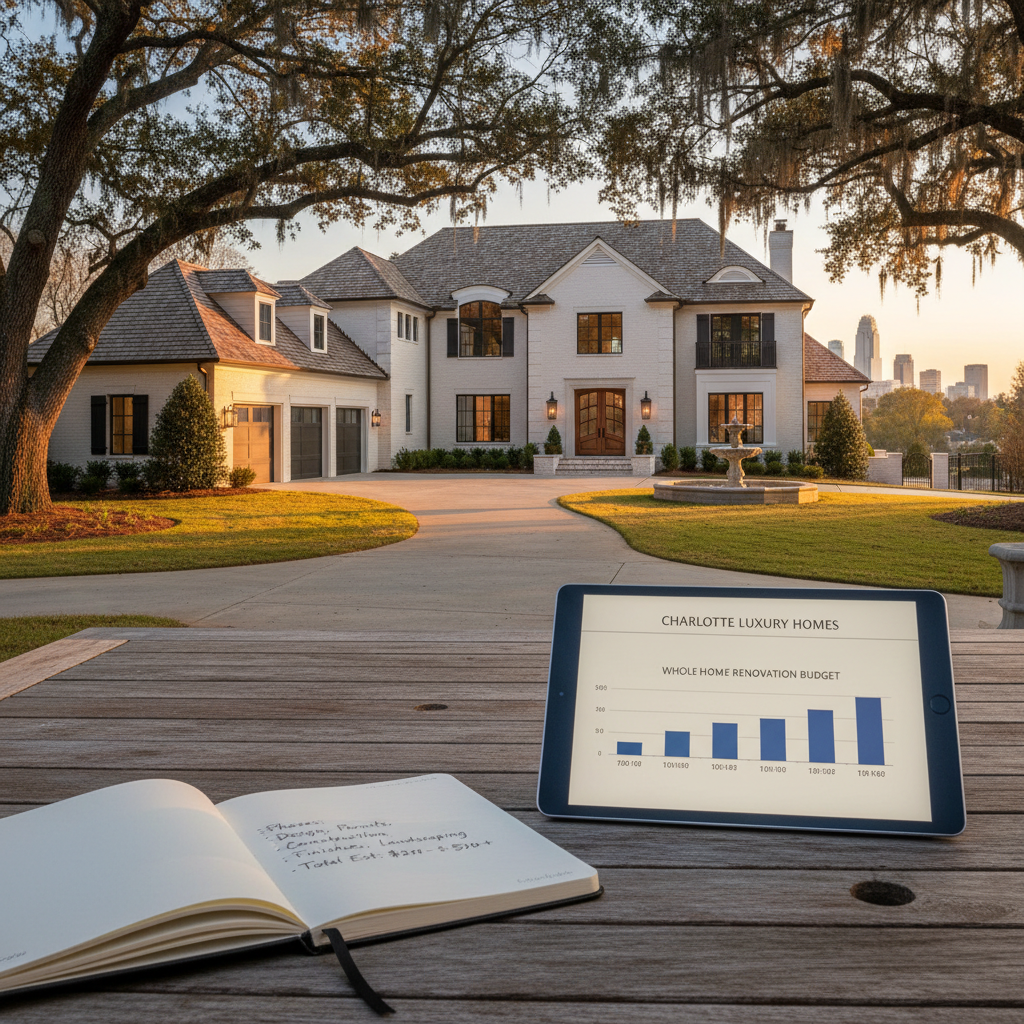
Understanding renovation costs in Charlotte requires looking beyond national averages. The Charlotte luxury market commands premium pricing for materials and labor, reflecting the quality expectations of discerning homeowners. Whole Home renovation projects in Charlotte typically range from moderate updates starting around $50,000 to comprehensive transformations exceeding $500,000, depending on scope, materials, and structural complexity.
Smart budgeting for Charlotte whole home renovations includes allocating 15-20% for contingencies — unexpected discoveries are common, especially in older homes throughout Dilworth, Myers Park, and Elizabeth. Working with experienced Charlotte contractors who provide detailed, itemized estimates helps homeowners make informed decisions and avoid costly surprises during construction.
Deep Dive into Charlotte Renovation Costs by Neighborhood
The varying desirability and historical nature of Charlotte neighborhoods significantly impact renovation costs. For instance, a whole home renovation in the established, tree-lined streets of Myers Park, known for its historic estates and upscale residences, will likely incur higher costs than a similar project in a more recently developed area. Expect to pay a premium for properties that may require specialized historical preservation techniques or navigate more complex zoning regulations. Similarly, SouthPark, renowned for its luxury residences and proximity to high-end retail, commands top dollar for both labor and finishes. Down in areas like Dilworth and Elizabeth, charming bungalow-style homes offer a different set of renovation challenges, often involving intricate woodwork and a need for more extensive structural reinforcement compared to newer builds.
Beyond neighborhood aesthetics, consider the average price points of homes in your target area. If you're renovating a property in a neighborhood where homes typically sell for $1.5 million and above, your renovation budget should align with that higher market value to ensure a good return on investment. Conversely, undertaking an ultra-luxury renovation in a more moderately priced neighborhood might not yield the expected financial gains. Consulting with local real estate agents and experienced contractors who specialize in Charlotte's luxury market can provide invaluable insights into neighborhood-specific cost expectations and ROI potentials.
Material Costs: The Luxury Factor
When budgeting for a whole home renovation in Charlotte’s luxury segment, the quality and origin of materials play a pivotal role. Top-tier finishes are not just about aesthetics; they contribute to durability, longevity, and the overall luxurious feel of a home. Expect to allocate significant portions of your budget towards:
- Flooring: Wide-plank hardwood from reputable suppliers, imported tile, and custom stone installations can range from $15 to $50+ per square foot, installed.
- Kitchen Countertops: Natural stones like Calacatta Marble, high-end granite, or premium quartz are common choices, with prices from $75 to $250+ per square foot fabricated and installed.
- Cabinetry: Custom-built cabinetry using premium woods, specialized finishes, and integrated smart features can represent 15-20% of a kitchen renovation budget alone.
- Appliances: Professional-grade appliances from brands like Sub-Zero, Wolf, or Miele are standard in luxury homes, adding substantial cost but also significant appeal.
- Lighting Fixtures: Designer lighting from brands like Circa Lighting or Schonbek can significantly impact ambiance and add thousands to the budget.
- Plumbing Fixtures: High-end faucets, shower systems, and freestanding tubs from brands like Waterworks or Kallista are expected and add to the luxury feel.
It’s crucial to partner with suppliers and contractors who have established relationships with luxury material providers. These partners can often source unique or high-demand materials efficiently, ensuring quality and potentially offering competitive pricing through their existing networks. Don't underestimate the impact of bespoke elements, such as custom tile work, intricate millwork, or hand-painted murals, which can elevate a home from luxurious to truly one-of-a-kind.
Labor and Subcontractor Specialized Costs
The skilled labor required for luxury renovations in Charlotte is a significant budget factor. Highly experienced carpenters, electricians, plumbers, and HVAC technicians specializing in high-end installations command higher rates. This is particularly true for work that involves intricate details, custom fabrication, and integration of advanced smart home technology. Specialist subcontractors, such as those who handle custom glass installations, wine cellar construction, or advanced home automation systems, will also add to the overall cost.
When reviewing contractor bids, transparency regarding labor costs is essential. A reputable Charlotte contractor will clearly outline the costs associated with each trade. Factor in the project management fees, which are typically included in the general contractor's overhead but are critical for ensuring smooth execution, adherence to timelines, and quality control. For projects involving historical homes, especially in established neighborhoods like Elizabeth or Dilworth, expect additional labor costs due to the specialized skills required for restoration and repair of older building techniques and materials.
Contingency Planning: The Charlotte Edge
As mentioned, a 15-20% contingency fund is vital. In Charlotte, this is amplified by the potential for hidden issues in older homes. Many of the charming historic residences in areas like Myers Park and Dilworth were built before modern building codes, which can mean discovering outdated electrical systems, unreliable plumbing, or structural weaknesses that weren’t apparent during initial inspections. The cost of addressing these unforeseen issues can quickly escalate, making your contingency fund a non-negotiable part of your budget.
Furthermore, material lead times can be unpredictable, especially for custom-ordered luxury items. A contingency also allows for flexibility if a chosen material becomes unavailable or if a price increase occurs between budgeting and purchasing. Working with a contractor who proactively communicates potential issues and provides transparent solutions will help manage your contingency fund effectively and minimize stress.
Design Trends & Inspiration
Charlotte's whole home renovation trends reflect the city's position as a sophisticated Southern metropolis. Current design preferences lean toward clean lines, warm natural materials, and spaces that seamlessly connect indoor and outdoor living — a reflection of Charlotte's favorable climate and lifestyle-oriented culture. The influence of Charlotte's thriving culinary scene, art community, and active outdoor lifestyle shapes how homeowners approach renovation design.
Local designers and architects report growing demand for sustainable materials, smart home integration, and universal design elements that enhance both livability and long-term home value. Charlotte homeowners increasingly view renovations as opportunities to create personalized spaces that support their specific lifestyles while incorporating the latest in building technology and design innovation.
Embracing Nature: The Charlotte Lifestyle Integration
Charlotte's natural beauty and outdoor-centric lifestyle are increasingly influencing interior design choices. Homes in desirable areas like Lake Norman or the SouthPark fringe are embracing biophilic design principles. This involves maximizing natural light through larger windows and skylights, incorporating natural materials like wood and stone throughout the home, and bringing the outdoors in through strategically placed greenery. Outdoor living spaces are becoming an extension of the home, with high-end porches, screened-in rooms, outdoor kitchens, and fire pits becoming standard features, especially for luxury homes in areas with ample yard space.
Consider the proximity to Charlotte’s numerous parks and greenways. Renovations that enhance access to these amenities, such as adding French doors that open onto a patio or designing a mudroom perfect for storing outdoor gear after a hike at the U.S. National Whitewater Center, resonate with the local lifestyle. Interior palettes often draw inspiration from the Carolina landscape, featuring warm earth tones, deep greens, and subtle blues.
Kitchens and Bathrooms: Sanctuaries of Style
The kitchen and bathrooms remain the primary focus of most whole-home renovations in Charlotte’s luxury market. The modern luxury kitchen is a multi-functional hub, designed for both serious cooking and sophisticated entertaining. Trends include:
- Large Islands: Often featuring waterfall countertops, integrated sinks, and ample seating, these become the heart of the home.
- High-End Appliances: Professional-grade, integrated appliances are standard. Smart kitchen technology is increasingly popular for convenience and energy efficiency.
- Custom Cabinetry: From sleek, modern designs to classic shaker styles, custom cabinetry allows for personalized storage solutions and aesthetic appeal.
- Walk-in Pantries: A practical luxury, these offer extensive storage and can incorporate secondary prep areas or coffee stations.
Luxury bathrooms are evolving into spa-like retreats. Think freestanding soaking tubs, oversized walk-in showers with multiple showerheads and body jets, heated floors, and vanities with premium stone countertops. Master bathrooms are often designed with dual vanities, ample storage, and thoughtful lighting to create a serene and functional space. The use of natural materials like marble, quartz, and high-quality porcelain tile contributes to the spa-like ambiance.
Smart Home Integration and Sustainability
As Charlotte grows into a hub for technology and innovation, smart home integration is becoming a non-negotiable element of luxury renovations. This includes:
- Automated Lighting and Shading: Controlled via apps or voice commands, enhancing convenience and energy efficiency.
- Integrated Audio-Visual Systems: Seamlessly integrated sound systems and home theaters are popular.
- Smart Thermostats and Security: Remote control of HVAC and advanced security systems offer peace of mind and energy savings.
- Smart Appliances: Connected refrigerators, ovens, and washing machines add a layer of modern convenience.
Sustainability is also a growing consideration. Homeowners are increasingly seeking to incorporate eco-friendly materials, energy-efficient windows and doors, high-performance insulation, and water-saving plumbing fixtures. Solar panel integration is also gaining traction. These choices not only reduce environmental impact but also contribute to lower utility bills, a compelling factor for long-term value. Many newer developments in areas like South Charlotte, within affluent school districts, are prioritizing these green building practices.
Personalization and Unique Elements
Beyond the general trends, Charlotte luxury homeowners are increasingly prioritizing personalization. This means incorporating elements that reflect individual hobbies, interests, and lifestyles. For example, a home wine cellar, a dedicated home gym with top-tier equipment, a custom-built home office designed for productivity, or even a pet-friendly suite with built-in amenities are becoming more common. The goal is to create a home that is not just beautiful but also perfectly suited to the occupants' needs.
Consider the influence of Charlotte’s arts scene. Many homeowners are incorporating custom artwork, bespoke wall treatments, and unique architectural details that lend a gallery-like feel to their homes. This could involve custom millwork, feature walls with unique textures, or the integration of artisan-crafted elements.
Contractor Selection & Project Management
Selecting the right contractor is perhaps the most critical decision in any Charlotte whole home renovation. The Charlotte market includes both established luxury renovation firms and emerging specialists, each bringing different strengths to the table. Look for contractors with demonstrated experience in luxury whole home projects, proper licensing through Mecklenburg County, comprehensive insurance coverage, and a portfolio that reflects the quality level you expect.
Effective project management separates successful renovations from stressful experiences. The best Charlotte renovation contractors provide dedicated project managers who serve as single points of contact, maintain detailed schedules, coordinate subcontractors, and ensure quality control at every phase. This professional approach, while often reflected in pricing, delivers significantly better outcomes and protects your investment.
Finding the Right Fit: Beyond the Website
In Charlotte's competitive luxury renovation market, a contractor’s online presence is just the beginning. Beyond checking for proper licensing (Mecklenburg County requires general contractor licenses and sometimes specialized trade licenses) and insurance, conduct thorough due diligence. Ask for at least three references for projects of similar scope and scale and, crucially, *call them*. Inquire about their experience with renovations in your specific neighborhood, their communication style, how they handled challenges, and their adherence to budget and timeline. A contractor who is transparent about their process and eager to share client testimonials is a strong indicator of reliability.
Attend local home shows in Charlotte, such as the Charlotte Home + Garden Show, not just for inspiration but also to meet potential contractors face-to-face. This can offer a good initial impression of their professionalism and passion for their work. Remember that the best luxury renovators build long-term relationships, so finding someone you trust and can communicate with effectively is paramount.
The Importance of Detailed Contracts and Scope of Work
A comprehensive contract is your shield against misunderstandings and disputes. For a whole home renovation in Charlotte, ensure your contract with the chosen contractor includes:
- Detailed Scope of Work: Clearly outlining every task, from demolition to finishings, specifying materials and brands where possible.
- Project Timeline: Including clear start and end dates, with provisions for unavoidable delays.
- Payment Schedule: Tied to project milestones, not upfront lump sums. A typical schedule might involve an initial deposit, progress payments upon completion of specific phases (e.g., framing, rough-ins, drywall), and a final payment upon substantial completion.
- Change Order Process: A formal procedure for documenting any deviations from the original plan, including their cost and time implications.
- Warranty Information: Detailing the contractor's warranty on workmanship and any manufacturer warranties on materials.
For projects in historic areas or planned communities with HOA oversight, ensure the contractor has experience navigating these specific requirements, which often involve detailed plans and approval processes before permits are even applied for. A legally sound contract, perhaps reviewed by an attorney specializing in construction law, provides clarity and security for both parties.
Communication and Conflict Resolution
Seamless communication is the bedrock of successful project management. Expect your contractor to establish a clear communication protocol, whether it’s weekly site meetings, regular email updates, or a dedicated project management app. A good project manager will anticipate potential issues and address them proactively, keeping you informed every step of the way. This is particularly important when dealing with unexpected discoveries in older Charlotte homes, which can range from faulty wiring to termite damage.
In the event of disagreements or unforeseen problems, a calm and collaborative approach to conflict resolution is key. The contract should outline a clear dispute resolution process. However, open dialogue and a willingness to compromise, facilitated by a professional mediator if necessary, can often resolve issues before they escalate. Partnering with a contractor who prioritizes transparency and client satisfaction will make navigating these challenges much smoother.
Permits, Regulations & Compliance
Charlotte renovation projects must comply with Mecklenburg County building codes, which are regularly updated to reflect current safety and energy standards. Whole Home renovations typically require building permits for structural changes, electrical work, plumbing modifications, and HVAC alterations. In Charlotte's historic districts — including Dilworth, Fourth Ward, and portions of Myers Park — additional approval from the Historic District Commission may be required.
HOA requirements add another layer of compliance for renovations in Charlotte's many planned communities. Before beginning any renovation project, homeowners should review their community's architectural guidelines, submit required documentation, and obtain written approval. A knowledgeable Charlotte contractor will be familiar with these processes and can help navigate the approval timeline efficiently.
Navigating Mecklenburg County Permitting
Obtaining the correct permits is a non-negotiable step for any significant renovation in Charlotte. Mecklenburg County's Land Use and Environmental Services Agency (LUESA) oversees the permitting process. For a whole home renovation, common permits include:
- Building Permit: Required for any structural modifications, additions, or significant alterations.
- Electrical Permit: Necessary for any work involving the home's electrical system, including upgrades or new installations.
- Plumbing Permit: For any changes to water supply or drainage systems, including fixture replacements or reconfigurations.
- Mechanical (HVAC) Permit: If the heating, ventilation, or air conditioning systems are being modified or replaced.
Your contractor will typically handle the permit application process, but it’s essential to understand the requirements and timelines. Delays in permit approval can impact your project schedule. Homeowners should factor in the time it takes for plans to be reviewed and approved by LUESA, which can vary depending on the complexity of the project and current agency workload. Some permits might require plans drawn by a licensed architect or engineer in North Carolina.
Historic Districts and HOA Architectural Review
Charlotte boasts several historic districts, each with its own commission and guidelines. Renovating a home in areas like the charming Queen Anne Victorian homes of Fourth Ward or the historic bungalows of Dilworth requires careful attention to the Charlotte Historic District Commission’s standards. These guidelines are designed to preserve the architectural integrity and historical character of the neighborhood. This often means using historically appropriate materials and design elements, and any exterior changes, or even some interior structural changes, may require review and approval.
Similarly, many of Charlotte’s upscale communities, such as those in SouthPark or Lake Norman, are governed by Homeowners Associations (HOAs) with strict architectural review processes. Homeowners must submit detailed renovation plans for approval by the HOA’s architectural review board. These guidelines can dictate everything from exterior color palettes and roofing materials to fence styles and window replacements. Failure to gain HOA approval before commencing work can lead to fines and the requirement to undo unauthorized changes. A reputable contractor will be well-versed in these local regulations and can assist in preparing and submitting the necessary documentation.
Code Compliance and Safety Standards
Beyond permits, ensuring your renovation meets current building codes is paramount for safety and long-term value. This includes adhering to:
- Electrical Codes: Ensuring proper wiring, grounding, and circuit protection, especially if upgrading older systems.
- Plumbing Codes: Verifying pipe materials, fixture connections, and venting are up to current safety standards.
- Building Envelope Standards: Incorporating adequate insulation and air sealing to improve energy efficiency, as mandated by the North Carolina Energy Conservation Code.
- Fire Safety: Ensuring smoke detectors, carbon monoxide detectors, and egress windows meet code requirements, particularly in bedrooms.
For luxury renovations, integrating advanced safety and security systems, such as state-of-the-art alarm systems or integrated fire suppression, can go beyond code minimums and provide enhanced peace of mind. A good contractor will not only meet but often exceed code requirements to ensure the highest level of safety and quality for your investment.
ROI & Long-Term Value
Renovation investments in Charlotte's luxury market consistently deliver strong returns, both in daily enjoyment and resale value. The Charlotte Association of REALTORS data shows that well-executed whole home renovations in premium neighborhoods typically recoup 70-100% of investment at resale, with some categories exceeding 100% return in competitive market conditions.
The key to maximizing renovation ROI in Charlotte lies in aligning improvements with market expectations. Over-improving beyond neighborhood standards rarely delivers proportional returns, while under-improving leaves value on the table. Working with a real estate professional familiar with Charlotte's luxury market can provide valuable guidance on which whole home improvements will deliver the strongest returns in your specific neighborhood and price point.
Strategic Investments for Maximum Return
In Charlotte's dynamic real estate market, strategic renovation choices are critical for maximizing return on investment (ROI). While a whole home renovation offers the broadest opportunity, understanding which specific improvements yield the highest returns is key. Generally, kitchens and master bathrooms remain the top drivers of resale value. High-quality, timeless finishes in these areas, as opposed to fleeting trends, will appeal to the widest range of buyers and command the best prices.
Consider the overall aesthetic and functionality of the home. A renovated home that flows well, offers ample storage, and incorporates desirable modern amenities — such as an open-concept living area, a dedicated home office, or a beautifully landscaped outdoor living space — will typically outperform homes that don't. For luxury properties in desirable Charlotte locations like Myers Park, SouthPark, or lakefront properties on Lake Norman, buyers are often willing to pay a premium for homes that are move-in ready and feature the high-end finishes and smart technology they expect.
Understanding Market Value and Over-Improvement
A fundamental principle in maximizing ROI is avoiding over-improvement. While it's tempting to install the most luxurious finishes available, it's crucial to understand the ceiling price for your specific neighborhood. Over-improving a home beyond the prevailing market value can lead to a situation where you're unlikely to recoup your full investment at resale. For example, installing a $500,000 kitchen in a neighborhood where the average home price is $700,000 might not be financially prudent, even if the kitchen is spectacular.
Working with a local real estate agent who specializes in Charlotte's luxury market is invaluable. They can provide data-driven insights into neighborhood comparables, recent sales, and buyer preferences. This guidance helps ensure your renovation budget is allocated to features and finishes that align with current market demand and will resonate with potential buyers, thereby maximizing your chances of a strong return. This also applies to school districts; investing in renovations that appeal to families looking at top-rated Charlotte-Mecklenburg Schools (CMS) districts, such as Myers Park High School or Ardrey Kell High School, can significantly enhance a home's value and desirability.
Lifestyle Enhancements and Long-Term Enjoyment
While ROI is often a primary consideration, the intangible benefits of a whole home renovation should not be overlooked. Even if you don't plan to sell immediately, a renovation that enhances your lifestyle and daily enjoyment of your home is a significant return in itself. This could mean creating more functional spaces for family gatherings, designing a private sanctuary for relaxation, or improving the overall comfort and efficiency of your home.
For luxury homeowners in Charlotte, this often translates into features that support an active and engaged lifestyle. Think about adding or improving outdoor living areas for entertaining, creating dedicated home fitness spaces, or designing a gourmet kitchen that makes cooking and entertaining a pleasure. Investing in features that enhance your quality of life will provide immediate satisfaction and can also make your home more attractive to future buyers who share similar priorities. The goal is to create a home that is not just a place to live, but a reflection of your personal style and a hub for creating lasting memories.
Future-Proofing Your Investment
When planning a whole home renovation, consider how your choices might impact future resale value by "future-proofing" the home. This involves selecting durable, high-quality materials that stand the test of time, both in terms of style and construction. Incorporating timeless design elements rather than overly trendy ones can ensure your renovated home remains appealing for years to come.
Furthermore, consider the growing demand for smart home technology and energy efficiency. Investing in robust Wi-Fi infrastructure, modern HVAC systems, and energy-efficient upgrades can make your home more attractive to a wider pool of buyers in the future. Features like updated electrical panels capable of supporting future technology needs or plumbing that can accommodate expanded bathrooms are also wise considerations. By thinking ahead, you can ensure that your renovation not only meets your current needs but also preserves and enhances your property's value for the long term in Charlotte's evolving luxury market.
Frequently Asked Questions
How much does a whole home renovation cost in Charlotte?
Whole Home renovation costs in Charlotte vary widely based on scope and materials. Moderate updates start around $50,000-$75,000, while comprehensive luxury renovations can range from $150,000 to $500,000 or more depending on complexity.
How long does a whole home renovation take in Charlotte?
Timeline depends on scope — minor whole home updates may take 4-8 weeks, while major renovations typically require 3-6 months. Full-scale luxury renovations can extend to 8-12 months including design and permitting phases.
Do I need permits for renovation in Charlotte?
Most renovations in Charlotte require building permits from Mecklenburg County for structural, electrical, plumbing, or HVAC work. Historic district renovations may need additional approval from the Historic District Commission.
How do I find a good renovation contractor in Charlotte?
Seek contractors with luxury renovation experience, proper Mecklenburg County licensing, comprehensive insurance, and strong references. Industry organizations like NARI and local builder associations can help identify qualified professionals.
What is the ROI of whole home renovation in Charlotte?
Well-executed whole home renovations in Charlotte's luxury market typically recoup 70-100% of investment at resale. Premium neighborhoods like Myers Park and SouthPark often see even higher returns for quality improvements.