Researched Guide
Compiled from public and official sources; not based on a visit.
The concept of aging in place has evolved dramatically. Today's luxury homeowners in Charlotte are designing residences that accommodate every stage of life—without the institutional aesthetic that once defined accessible design. The result is homes that are universally welcoming, effortlessly functional, and indistinguishable from any other luxury residence.
The New Approach to Accessible Design
Modern aging-in-place design starts with the premise that good design is inherently accessible. Wide doorways are gracious, not clinical. Zero-threshold showers are spa-like, not medical. And single-story living can be the most luxurious floor plan of all. The best Charlotte designers approach accessibility as a design opportunity, not a compromise. This thoughtful integration ensures that a home remains a sanctuary of comfort and style for decades to come. It’s about anticipating future needs while enhancing current living. In a city like Charlotte, known for its vibrant lifestyle and growing population of discerning homeowners, this proactive design approach is becoming increasingly prevalent and sought-after. Consider the popular neighborhoods like SouthPark, Eastover, or Myers Park, where luxury homes are being updated and new constructions are incorporating these forward-thinking elements from the ground up. The investment in such design not only enhances personal comfort but also significantly bolsters the property's long-term marketability and resale value in Charlotte's robust real estate market, where homes with thoughtful, adaptable designs command a premium.
Primary Suite on the Main Level
The single most impactful aging-in-place feature is a fully appointed primary suite on the main level. This means a generously sized bedroom, a spa-quality bathroom with curbless shower and comfort-height vanities, walk-in closet with adjustable shelving, and direct access to outdoor living spaces. In Charlotte's custom home market, main-level primary suites have become standard in luxury new construction. This is particularly advantageous in areas like Lake Norman or Providence Country Club, where property sizes might allow for sprawling, single-level living designed for ultimate convenience. For existing homes in established neighborhoods like Dilworth or Plaza Midwood, a significant renovation might involve reconfiguring the floor plan to accommodate such a suite, transforming an older home into a modern, accessible haven. Local general contractors and custom builders in Charlotte, such as Mosier Custom Homes or ARD Architecture, are frequently incorporating these features into their high-end projects, understanding their immense appeal to a broad spectrum of buyers, especially those looking for enduring luxury and functionality.
Universal Design Elements
Throughout the home, universal design elements enhance livability for all ages: 36-inch minimum doorways (42 inches is preferred), lever-style door hardware, rocker light switches at accessible heights, non-slip flooring throughout, and adequate lighting in all spaces including task areas and transitions. Wide hallways, often seen in more traditional Charlotte estates, are naturally conducive to universal design. Furthermore, consider the placement of outlets—slightly higher than standard can reduce bending for many tasks. In the kitchen and bathrooms, the addition of knee space under sinks and at counters allows for comfortable, seated use. For flooring, luxury vinyl plank, porcelain tile with a honed finish, or even high-quality linoleum can offer excellent non-slip properties without sacrificing aesthetics. Many Charlotte homeowners are opting for these materials in rich, natural tones that complement the sophisticated interiors found in areas like the Oakhaven or Barclay Downs neighborhoods. Local suppliers like The Carpetbagger or ProSource Wholesale Flooring in Charlotte can provide a wide array of these durable and attractive options.
Kitchen Design
The kitchen is where aging-in-place design requires the most thoughtful execution. Varied counter heights accommodate different tasks and users. Pull-out shelving and drawer-style storage eliminate the need to reach overhead. Touch-activated faucets and induction cooktops add convenience and safety. Design firms like Emerald & Oak Design specialize in kitchens that are beautiful, functional, and accessible without any visual compromise. This extends to appliance selection; consider wall ovens mounted at a comfortable height and dishwashers with a raised drawer option. For those who love cooking, an induction cooktop offers precise temperature control and is safer as the surface itself doesn't get as hot. Pull-out pantry shelves and deep drawers in lower cabinets are essential for easy access. In Charlotte’s luxury market, kitchens are often the heart of the home, and incorporating these features means the culinary experience can remain a joy for years to come. Consider the popular appliance brands like Sub-Zero, Wolf, or Bosch, which offer models with advanced features that align with accessible design principles. Local high-end appliance showrooms, such as Ferguson Bath, Kitchen & Lighting Gallery, are excellent resources for exploring these options and consulting with design professionals.
Bathroom Design
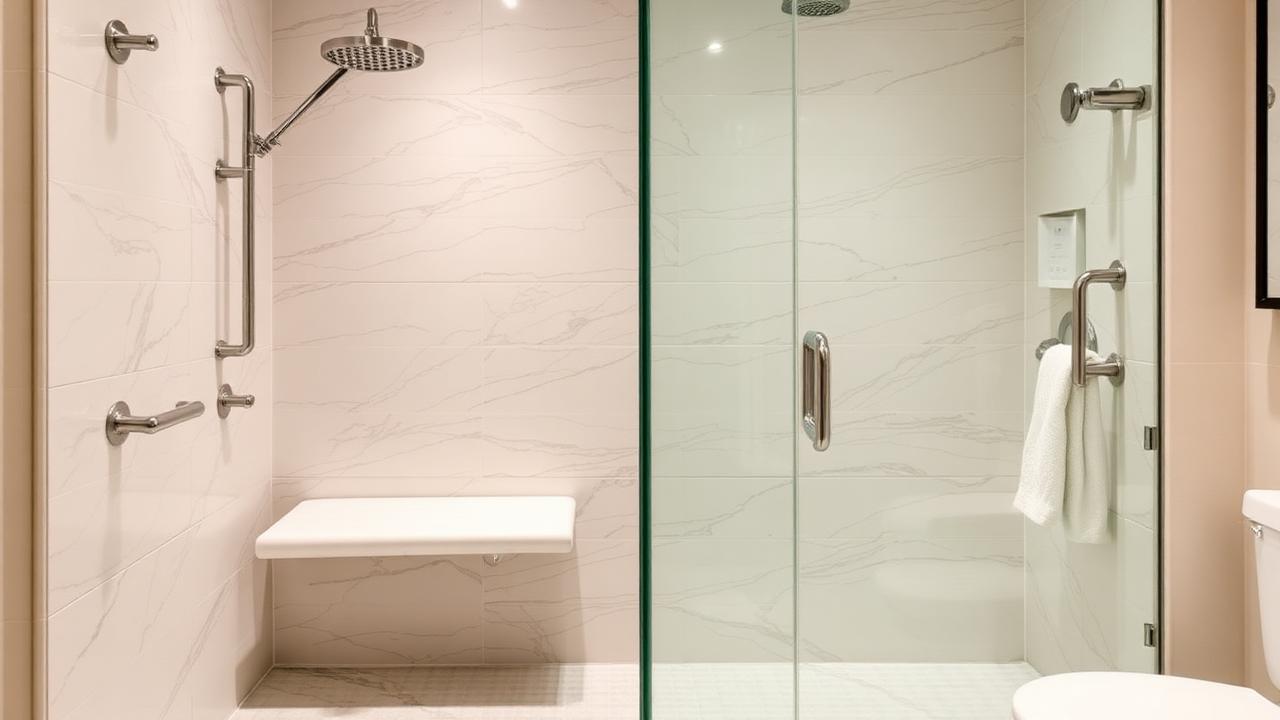
Luxury accessible bathrooms feature curbless showers with linear drains (visually seamless), built-in shower benches in natural stone, grab bars integrated into tile patterns or designed as decorative elements, comfort-height toilets, and floating vanities that allow seated use when needed. The trend toward large-format tile and frameless glass further enhances the spa aesthetic while improving accessibility. Think of the serene bathrooms found in luxury condos in Uptown Charlotte or the custom homes in Carmel Park. Here, the objective is to create a spa-like retreat that also prioritizes safety and ease of use. Grab bars, often seen as utilitarian, can be beautifully incorporated into tile designs or chosen in finishes that match other hardware, such as brushed nickel or matte black. Comfort-height toilets (17-19 inches high) are a simple yet effective upgrade. For showers, a zero-threshold entry is paramount, paired with a wide shower head and potentially a handheld option. Materials like Quartz or natural stone for countertops and vanities offer durability and a high-end look. Companies like The Tile & Stone Company in Charlotte offer an extensive selection of porcelain and natural stone tiles that are both beautiful and practical for wet environments.
Smart Home Integration
Technology is perhaps the most powerful aging-in-place tool. Voice-controlled lighting, climate, and security systems from companies like Peters Audio Video eliminate the need for physical switches and controls. Automated window treatments, smart locks, and video doorbells add convenience and security. Medical alert integration within the smart home ecosystem provides peace of mind for both residents and family members. Imagine controlling your home's environment without leaving your chair, or having your lights turn on automatically as you enter a room. Smart thermostats learn your preferences and can be adjusted remotely. Smart door locks allow for easy entry for caregivers or family without the need for physical keys. For those concerned about health, integrating discreet medical alert buttons that can trigger an alarm via voice command or a wearable device adds an extra layer of safety. Companies specializing in smart home installation in Charlotte, such as Integrated Life Systems or Custom Home Integrators, can design and implement sophisticated systems tailored to individual needs and preferences, ensuring a seamless and intuitive user experience.
Outdoor Accessibility
Charlotte's climate invites outdoor living, and accessible outdoor spaces extend the livable area of the home. Covered patios with level transitions, accessible garden beds, and smooth pathway surfaces ensure outdoor enjoyment regardless of mobility level. Consider the beautiful screened porches common in homes throughout South Charlotte or the manicured gardens found in Myers Park. Level transitions from interior living spaces to patios and decks are crucial for easy movement. Non-slip decking materials, such as composite or specially treated wood, can enhance safety. For garden enthusiasts, raised garden beds make planting and harvesting more accessible. Even the simple addition of well-placed outdoor lighting along pathways and steps can significantly improve safety and enjoyment after dusk. Landscape architects and outdoor living specialists in the Charlotte area, such as Yard Art Inc. or Southern Landscape, can help design outdoor spaces that are both beautiful and functionally accessible, allowing residents to fully enjoy the city's pleasant weather.
Creating a Timeless and Adaptable Aesthetic
Beyond the functional aspects, a key element of designing a luxury aging-in-place home in Charlotte is ensuring the aesthetic remains timeless and adaptable. This means choosing finishes and fixtures that are inherently stylish and will remain so for years. Natural materials, classic color palettes, and bespoke details contribute to a sense of enduring elegance. For instance, instead of purely utilitarian grab bars, consider custom-designed bars crafted from materials that complement the bathroom's decor, like polished chrome, brushed bronze, or even integrated wood elements. In the kitchen, high-quality cabinetry with timeless finishes, such as Shaker-style doors or simple slab fronts in neutral tones, will outlast fleeting trends. This approach ensures that the home feels like a personalized luxury retreat, not a healthcare facility. High-end flooring that is both durable and aesthetically pleasing, such as wide-plank engineered hardwood in living areas transitioning to refined porcelain tile in bathrooms, creates a cohesive and sophisticated look throughout the residence, mirroring the quality found in custom builds in neighborhoods like Eastover or Dowd. Local interior designers and custom millworkers are vital partners in achieving this level of refined integration, ensuring every detail contributes to both function and form.
Considering Future Needs: Stairlifts, Elevators, and Wider Hallways
While many aging-in-place strategies focus on the main level, thoughtful planning for multi-story homes in Charlotte is crucial. For luxury residences with multiple floors, incorporating provisions for future accessibility needs is paramount. This can include designating space for a future elevator shaft or planning for the seamless integration of a stairlift. Many custom homes in affluent areas like Eastover or Quail Hollow are built with a wider foyer and stairwell to accommodate these possibilities. Even if an elevator or stairlift isn't installed initially, designing with these future needs in mind can save significant cost and disruption later. Wide hallways, as mentioned previously, are beneficial, but also consider the placement and size of doorways at the top and bottom of stairs. For those opting for multi-story living in Charlotte, exploring properties that already incorporate some of these forward-thinking design elements, or consulting with architects and builders experienced in adaptive design, can lead to the most successful outcomes. The Charlotte market offers a range of options, from historic homes in areas like Dilworth that may require more extensive renovations to modern constructions in communities like Weddington or Mint Hill that are often built with future adaptability in mind.
The Role of Lighting in Accessible Luxury
Lighting is an often-underestimated yet critical component of aging-in-place design, especially in luxury homes. Beyond ambient and task lighting, accessible design emphasizes layered illumination that reduces shadows, enhances visibility, and can even improve mood and safety. Dimmable controls throughout the home allow for adjustments based on time of day and personal preference. Under-cabinet lighting in kitchens and bathrooms, as well as illuminated cove lighting, can provide soft, indirect light that is easy on the eyes. Sensor lighting in hallways, closets, and bathrooms ensures a gentle illumination when moving through the home at night, preventing falls. For those with visual impairments, consider lighting that has high color rendering index (CRI) to provide truer color perception. Smart lighting systems, as mentioned, allow for voice control and scheduling, further enhancing ease of use. In Charlotte's upscale residences, you'll find sophisticated lighting schemes that integrate recessed lights, decorative chandeliers, and accent lighting to create warmth and highlight architectural features, all while contributing to a safe and comfortable living environment. Top lighting designers and custom electricians in Charlotte can help create these nuanced lighting plans.
Materials Selection: Durability, Safety, and Aesthetics
When designing for aging in place, the selection of materials is paramount, balancing durability, safety, and the desired luxury aesthetic. For flooring, consider high-performance options such as luxury vinyl plank (LVP), porcelain tile, or engineered hardwood. These materials are more resistant to scratches, moisture, and wear than traditional hardwood and can offer superior slip resistance when chosen with appropriate finishes. For countertops, quartz and granite are excellent choices due to their durability and low maintenance. In bathrooms, large-format tiles for showers and floors minimize grout lines, which are harder to clean and can become slippery. When selecting finishes, opt for those that are easy to clean and maintain, reducing the physical burden on residents. In Charlotte's high-end market, homeowners are increasingly looking for sustainable and healthy material choices, such as low-VOC paints and natural materials where appropriate. Local suppliers like Bedrosians Tile & Design or Floor & Decor in Charlotte offer a vast selection of materials that cater to both luxury and accessible design needs, often with knowledgeable staff who can guide selections.
Community and Lifestyle Considerations in Charlotte
While the home itself is critical, aging in place in Charlotte also involves considering the surrounding community and lifestyle. Many luxury communities and neighborhoods in Charlotte are designed with walkability and accessibility in mind. Consider proximity to amenities like grocery stores, medical facilities, cultural attractions, and parks. For instance, living in a neighborhood like SouthPark provides easy access to upscale shopping, dining, and healthcare. The city's extensive greenway system offers accessible walking and biking paths. Retirement communities and continuing care facilities in the greater Charlotte area, such as Aldersgate or Park Senior Living, offer various levels of support and amenities, and many homeowners integrate home-based aging-in-place features with the option of future community living. Proximity to major medical centers like Novant Health or Atrium Health is also a significant factor for many Charlotte residents. The decision to age in place is also about maintaining an active and social life, which Charlotte’s vibrant arts scene, diverse culinary landscape, and numerous community events help facilitate.
Investment Value and Long-Term Resale Potential
Aging-in-place features add value because they expand the potential buyer pool. A luxury home that accommodates all life stages appeals to a wider range of buyers than one that requires modification. In Charlotte's competitive market, universally designed luxury homes consistently perform well at resale. As the population ages and the desire for independent living grows, homes that are designed with accessibility and adaptability in mind become increasingly desirable. This isn't just about current market demand; it's about future-proofing an investment. Developers and custom builders in Charlotte are recognizing this trend, and luxury homes with well-integrated aging-in-place features are seen as sound, long-term investments. In a city experiencing consistent growth and a strong housing market, properties that offer enduring comfort, safety, and adaptability will always command a premium, making them attractive to a broader range of future buyers, from young families to downsizing empty nesters and those looking to facilitate multi-generational living. Consulting with local real estate agents specializing in luxury properties in Charlotte can provide current market data on how these features impact sale prices and time on market.
Frequently Asked Questions
What is aging-in-place design?
Designing homes that accommodate all stages of life with accessible features that are integrated seamlessly into luxury aesthetics.
What is the most important aging-in-place feature?
A fully appointed primary suite on the main level with accessible bathroom, curbless shower, and outdoor access.
Does accessible design look institutional?
No—modern aging-in-place design uses universal design principles that enhance luxury aesthetics. Wide doorways, curbless showers, and smart controls are inherently elegant.
How does smart home technology help with aging in place?
Voice controls, automated lighting, smart locks, and medical alert integration provide convenience and safety without physical switches.
Does aging-in-place design add home value?
Yes—universally designed homes appeal to a wider buyer pool and consistently perform well at resale in Charlotte's market.
What kitchen features support aging in place?
Varied counter heights, pull-out storage, drawer organizers, touch faucets, and induction cooktops enhance accessibility beautifully.