Researched Guide
Compiled from public and official sources; not based on a visit.
How Charlotte Became a Serious Dining City
Charlotte's fine dining reputation was built quietly. For years the city's best tables were hotel dining rooms and steakhouses serving the banking crowd. That changed as independent chefs opened rooms of their own in Uptown, South End, Elizabeth, and the historic streets of Plaza Midwood, trading white-tablecloth formality for tasting menus, open kitchens, and a hyper-regional pantry.
The result is a dining scene where a $200 tasting menu and a counter-service country-ham biscuit can come from the same culinary lineage. For residents of Myers Park, Eastover, and SouthPark, that range is part of the appeal: the city rewards reservations planned a month out and spontaneous Tuesday nights equally.
What Defines an Upscale Charlotte Restaurant
Three characteristics separate Charlotte's top rooms from generic luxury dining. First, sourcing: the Carolina piedmont supplies produce, trout, and heritage pork within a short drive, and the best kitchens print those farms on the menu. Second, service pacing built for conversation rather than turnover. Third, beverage programs that treat Southern spirits and small-production wine with equal seriousness.
Dress codes are generally smart-casual rather than jacket-required, with a handful of exceptions at private clubs and hotel dining rooms. Reservations for weekend prime time typically open two to four weeks ahead; chef's counter seats go fastest.
Where the Rooms Are
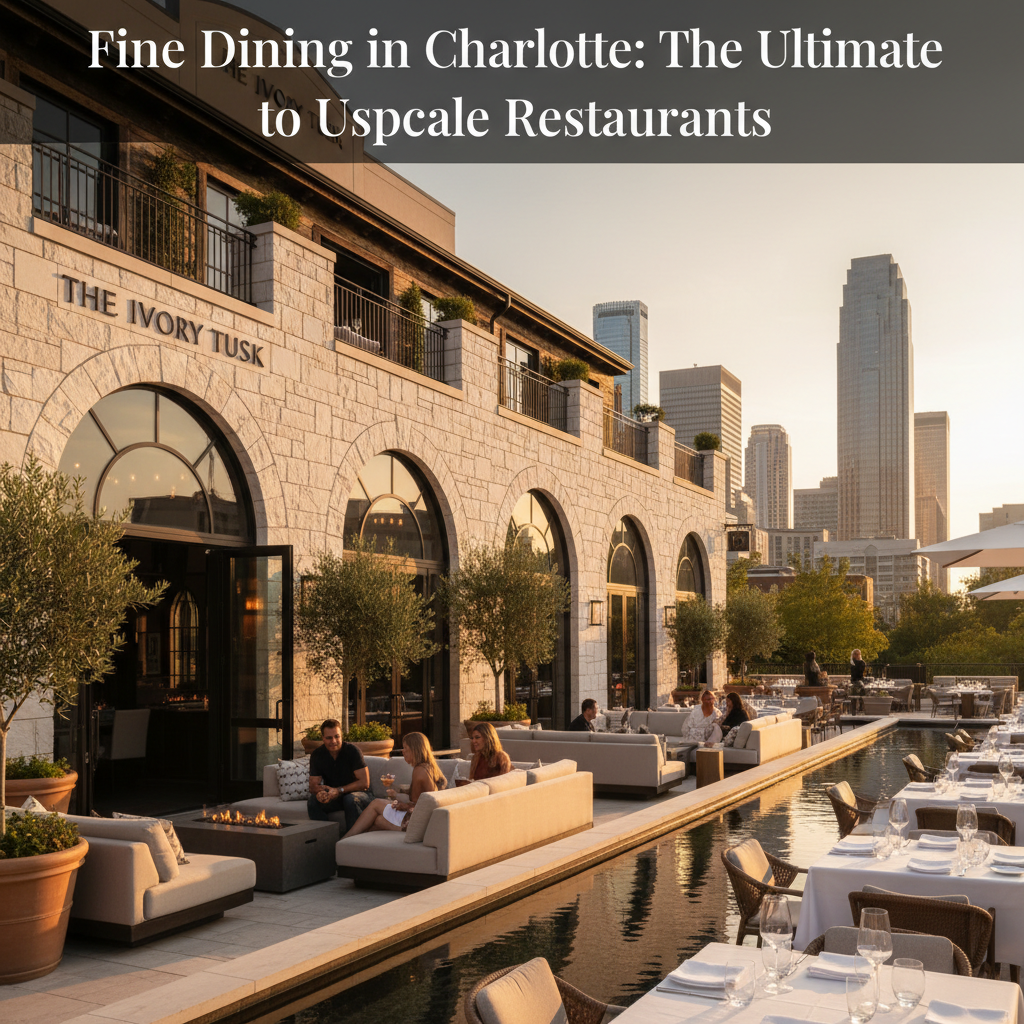
Uptown concentrates hotel dining, steak, and pre-theater seating within walking distance of Belk Theater and Spectrum Center — the practical choice when dinner is bracketed by an event. South End skews younger and louder, with chef-driven rooms and rooftops set among converted textile mills. Elizabeth, Dilworth, and Plaza Midwood hold the neighborhood restaurants that locals defend most fiercely: smaller dining rooms, shorter menus, chefs frequently in the room.
North of the city, Davidson and the Lake Norman towns support destination dining that draws Charlotte diners for the drive alone. Ballantyne and Waverly anchor the south with newer, polished rooms serving the Blakeney and Providence corridors.
Planning a Table Worth the Drive
Restaurant Week, held twice yearly, is the wrong time to judge a kitchen — menus narrow and rooms run full. Visit in the shoulder weeks instead. Weeknight bar seating at the city's most in-demand restaurants is frequently walk-in, and the full menu is usually available.
For households relocating, dining proximity is a legitimate housing criterion. Buyers who want to walk to dinner consistently choose Dilworth, Elizabeth, South End, and Uptown; those who prefer a short drive to a wider selection favor SouthPark and Cotswold. Advisors at Your Leader in Luxury field this question often enough that walkability to dining now appears on most client priority lists.
A Note on Accuracy
Charlotte's restaurant landscape changes quickly — chefs move, concepts close, and hours shift seasonally. Confirm current service directly with any restaurant before planning around it.
Frequently Asked Questions
What makes Charlotte's dining scene stand out?
Charlotte's dining scene combines Southern warmth with cosmopolitan quality. The city's rapid growth has attracted top talent and diverse offerings that rival much larger metropolitan areas, all at a more accessible price point.
Which Charlotte neighborhoods offer the best lifestyle amenities?
SouthPark, Myers Park, South End, and Plaza Midwood are consistently rated among the best for lifestyle amenities. Each offers a distinct character—from upscale shopping and dining to artistic energy and walkable urban living.
Is Charlotte a good city for families?
Absolutely. Charlotte offers excellent public and private schools, abundant parks and recreational facilities, family-friendly neighborhoods, and a strong sense of community. The cost of living allows families to enjoy a high quality of life with space and amenities.
How does Charlotte's cost of living compare to other major cities?
Charlotte's cost of living is significantly lower than Northeast and West Coast cities while offering comparable amenities. Housing, dining, and entertainment costs are favorable, allowing residents to enjoy more for their money.
What outdoor activities are available near Charlotte?
Charlotte offers extensive greenways, Lake Norman and Lake Wylie for water sports, the US National Whitewater Center for adventure activities, and easy access to Blue Ridge Mountain hiking and South Carolina beaches within 3-4 hours.