Researched Guide
Compiled from public and official sources; not based on a visit.
Charlotte's luxury real estate landscape is evolving rapidly, shaped by shifting buyer demographics, technological innovation, and a growing emphasis on wellness and sustainability. As the Queen City continues attracting high-net-worth individuals, the definition of luxury living is being redefined.
Biophilic Design Takes Center Stage
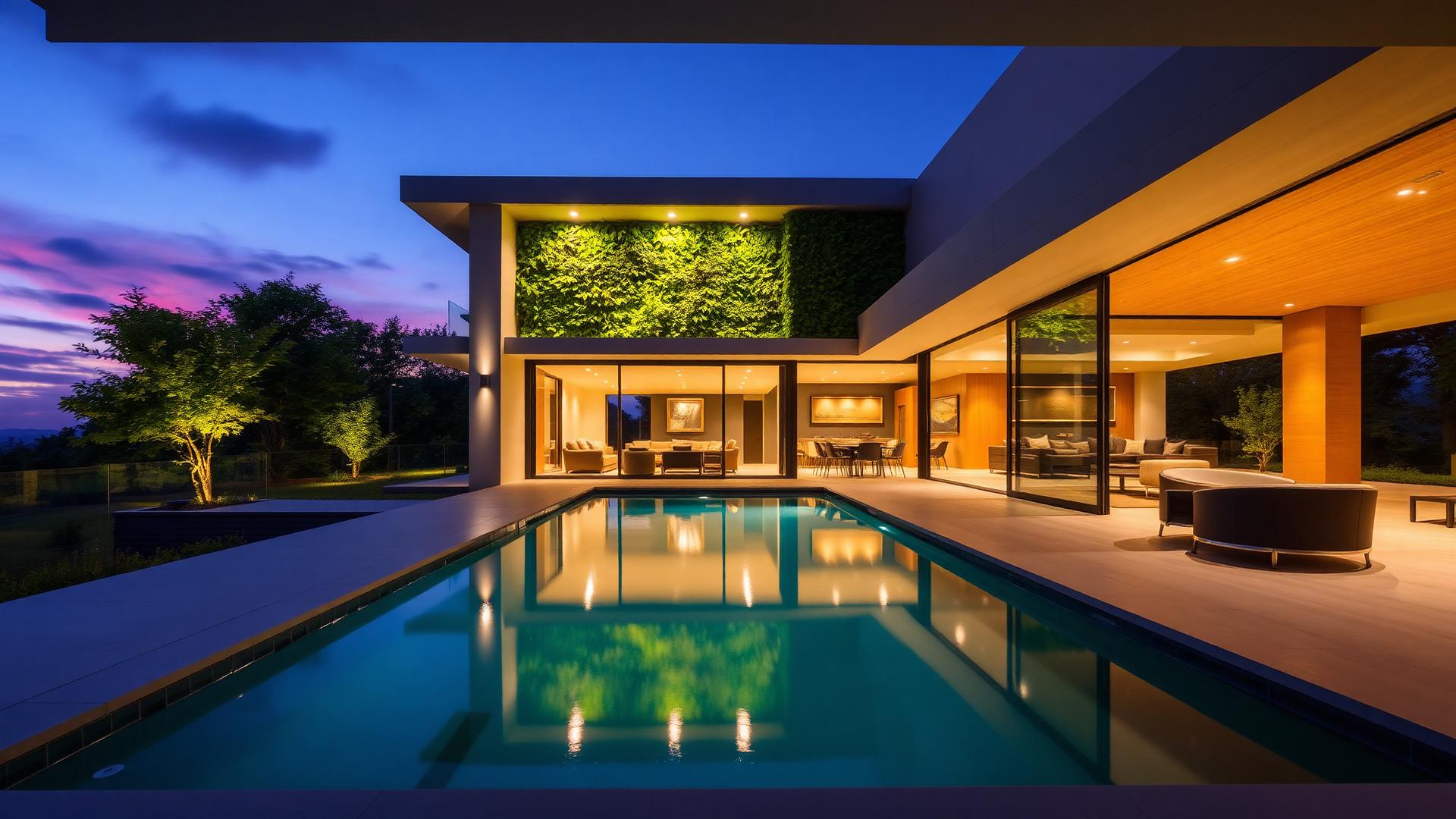
The most significant design shift is the embrace of biophilic design — architecture and interiors that deliberately integrate natural elements to promote wellbeing. Charlotte's leading architects are incorporating living walls, interior water features, natural stone and wood accents, and floor-to-ceiling windows that dissolve the boundary between interior and exterior.
Firms like Emerald & Oak Design are at the forefront of this movement in Charlotte, creating interiors that feel simultaneously luxurious and grounded in the natural world.
AI-Powered Smart Home Integration
In 2026, Charlotte's most sophisticated homes feature AI-powered systems that learn residents' preferences and anticipate their needs — adjusting lighting, temperature, music, and security without manual intervention.
Peters Audio Video has been instrumental in bringing this level of integration to Charlotte's finest homes, creating seamless experiences that enhance daily life.
Key technology trends include:
Whole-Home Audio and Video: Distributed entertainment delivering concert-quality sound and cinema-quality video in every room.
Proactive Security: AI-powered systems using facial recognition, behavioral analysis, and integrated communication.
Energy Management: Smart systems optimizing consumption in real-time, integrating solar, battery storage, and EV charging.
Wellness-Centered Amenities
Charlotte's most progressive luxury homes now include dedicated wellness suites featuring cold plunge pools, infrared saunas, steam showers, and meditation rooms. Homes with dedicated wellness amenities command 8–12% premiums over comparable properties.
Air and water quality have also become differentiating factors. Whole-home air purification and advanced water filtration are expectations among health-conscious buyers.
Indoor-Outdoor Living Perfected
Charlotte's climate — approximately 220 sunny days annually — makes indoor-outdoor living essential. Multi-slide glass door systems that open entire walls to covered outdoor spaces have become the signature feature of Charlotte's most coveted homes.
Custom builders like Peters Custom Homes are designing homes where the transition between interior and exterior is virtually seamless — maintaining consistent materials and design language across the threshold.
Sustainability as Standard
Environmental consciousness has shifted from philosophical choice to practical expectation. Solar energy systems, geothermal HVAC, and high-performance building envelopes create homes that are remarkably quiet, consistently comfortable, and dramatically less expensive to operate.
The Market Implications
For buyers, understanding these trends provides a framework for evaluating properties. For sellers, aligning your property with current expectations can significantly impact sale price and time on market. Charlotte's luxury market rewards homes that authentically embrace these trends while maintaining timeless architectural quality.
Frequently Asked Questions
What are the biggest luxury home trends in Charlotte for 2026?
Top trends include biophilic design, AI-integrated smart homes, wellness amenities like cold plunge pools and saunas, indoor-outdoor living, and sustainable luxury features.
Are smart homes becoming standard in Charlotte's luxury market?
Yes. Approximately 80% of new luxury homes include integrated smart home systems as standard features in 2026.
What design styles are popular in Charlotte luxury homes?
Charlotte favors transitional design blending traditional Southern elements with contemporary finishes. Modern farmhouse remains popular in suburban areas.
How important is sustainability in Charlotte luxury homes?
Sustainability has moved from niche to mainstream. Energy-efficient features add measurable premium to home values and are increasingly expected by discerning buyers.