Researched Guide
Compiled from public and official sources; not based on a visit.
The Rewards and Realities of Historic Home Ownership
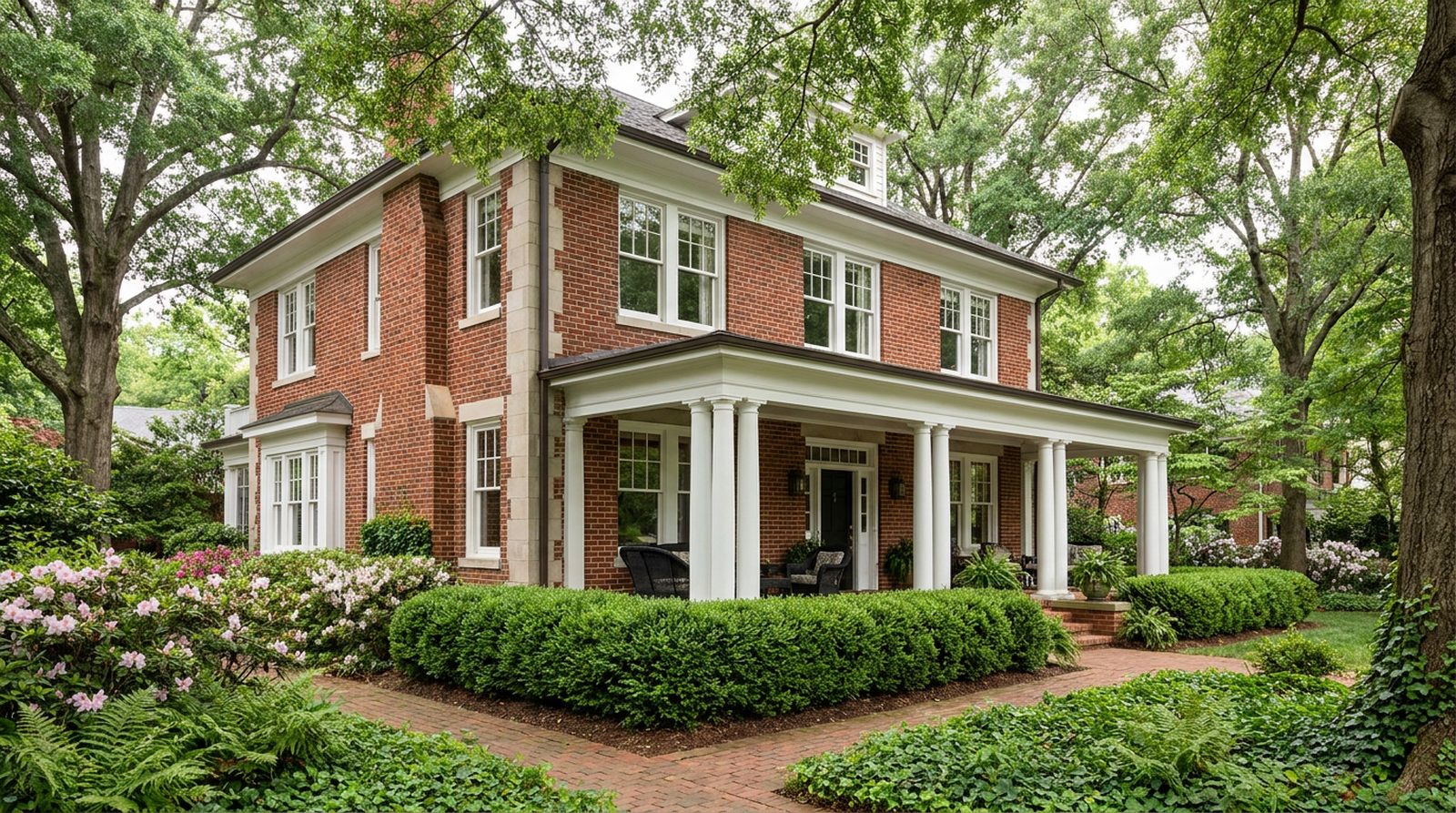
Charlotte's historic neighborhoods — Dilworth, Wesley Heights, Fourth Ward, Elizabeth, and Plaza Midwood — contain some of the city's most architecturally significant and emotionally compelling homes. For luxury buyers drawn to craftsmanship, character, and the irreplaceable patina of age, historic homes offer something no new construction can replicate. But buying a historic property in Charlotte requires understanding a distinct set of regulations, renovation realities, financial considerations, and preservation obligations that differ markedly from purchasing a contemporary home.
Charlotte's Historic Districts
| District | Era | Primary Styles | Price Range |
|---|---|---|---|
| Dilworth | 1890s-1930s | Craftsman, Colonial Revival, Bungalow | $600,000 - $1,800,000+ |
| Wesley Heights | 1910-1930 | Craftsman, Foursquare, Colonial Revival | $600,000 - $1,500,000 |
| Fourth Ward | 1870s-1910s | Victorian, Queen Anne, Italianate | $500,000 - $1,200,000 |
| Elizabeth | 1900s-1940s | Craftsman, Tudor, Colonial Revival | $550,000 - $1,400,000 |
| Plaza Midwood | 1920s-1950s | Craftsman, Tudor, Ranch, Art Deco | $450,000 - $1,200,000 |
Historic District Regulations
Properties within Charlotte's locally designated historic districts are subject to the Charlotte-Mecklenburg Historic Landmarks Commission's design review process. Key regulations include:
- Exterior Changes: Any visible exterior modification requires a Certificate of Appropriateness (COA) before work begins
- Materials: Replacement materials must match or closely approximate original materials (wood windows, specific siding profiles, historically accurate paint colors)
- Additions: New additions must be compatible with the historic character but distinguishable as new construction
- Demolition: Demolition of contributing structures is extremely difficult to obtain and requires exhaustive review
- Timeline: COA review typically takes 2-6 weeks for minor changes, longer for significant alterations
Renovation Challenges Unique to Historic Homes
Renovating a historic Charlotte home presents challenges that require specialized expertise:
- Structural Issues: Foundation settling, pier-and-beam systems, original framing that doesn't meet current code
- Electrical: Outdated knob-and-tube or aluminum wiring requiring complete replacement ($15,000-$40,000)
- Plumbing: Cast iron or galvanized pipes that may need full replacement ($10,000-$30,000)
- HVAC: Retrofitting central air and heating into homes designed before mechanical climate control ($15,000-$35,000)
- Insulation: Minimal or no insulation in walls, floors, and attics requiring creative solutions that don't damage historic fabric
- Lead Paint and Asbestos: Pre-1978 homes may contain lead paint; pre-1980 may have asbestos in various materials. Abatement costs range from $5,000-$25,000+
Tax Credits and Financial Incentives
North Carolina offers significant financial incentives for historic preservation:
- State Historic Tax Credit: 15% of qualifying rehabilitation expenses for income-producing properties
- Federal Historic Tax Credit: 20% of qualifying expenses for income-producing properties listed on the National Register
- Local Property Tax Deferral: Charlotte-Mecklenburg may offer property tax deferrals for qualifying rehabilitation work
While most luxury residential properties don't qualify for income-producing credits, properties with home office space or rental components may be eligible. Consult a tax professional experienced in historic preservation incentives.
Insurance Considerations
Insuring a historic home requires specialized coverage:
- Replacement Cost: Historic homes cost more to rebuild due to specialized materials and craftsmanship. Ensure coverage reflects actual replacement cost, not market value.
- Extended Replacement: Consider 150-200% extended replacement coverage for custom materials and historic replication
- Ordinance Coverage: Covers additional costs to bring a damaged historic home into compliance with current building codes
- Premiums: Expect 15-30% higher premiums than comparable contemporary homes
Structural Assessment Essentials
Before purchasing a historic home, invest in thorough structural evaluation beyond a standard inspection:
- Foundation and crawl space specialist assessment
- Structural engineer evaluation of load-bearing modifications
- Comprehensive moisture and termite/pest history investigation
- Roof structure and material condition assessment
- Window and door condition inventory with replacement cost estimates
Modernization While Preserving Character
The art of historic renovation lies in seamlessly integrating modern luxury without erasing the home's soul. Peters Custom Homes and other experienced Charlotte renovation specialists understand how to:
- Open floor plans while maintaining structural integrity and period room proportions
- Integrate chef's kitchens that complement — not conflict with — historic architecture
- Add smart home technology invisibly within historic fabric
- Create luxury bathrooms that honor the home's era while delivering contemporary comfort
- Extend living space through architecturally sensitive additions that enhance rather than diminish the original structure
Due Diligence Checklist
- Verify historic district designation and applicable regulations
- Review any existing COAs or pending violations
- Obtain comprehensive structural engineering assessment
- Test for lead paint and asbestos
- Evaluate all mechanical systems (electrical, plumbing, HVAC) age and condition
- Research previous renovation work and permits
- Obtain insurance quotes specific to historic properties
- Consult with a historic renovation contractor for cost estimation
Owning a historic home in Charlotte is a privilege and a responsibility. For buyers who appreciate craftsmanship, character, and the irreplaceable connection to Charlotte's architectural heritage, these homes deliver a living experience that no contemporary construction can match.
Frequently Asked Questions
What Charlotte neighborhoods have historic homes?
Primary historic districts include Dilworth (1890s-1930s), Wesley Heights (1910-1930), Fourth Ward (1870s-1910s), Elizabeth (1900s-1940s), and Plaza Midwood (1920s-1950s).
What regulations apply to historic homes in Charlotte?
Properties in locally designated historic districts require Certificates of Appropriateness for exterior changes, must use historically appropriate materials, and face restrictions on demolition and additions.
How much more does it cost to renovate a historic home?
Historic renovations typically cost 20-40% more than comparable contemporary work due to specialized materials, code compliance challenges, and preservation requirements.
Are there tax credits for historic home renovation?
North Carolina offers a 15% state credit and there is a 20% federal credit for qualifying income-producing historic properties. Local property tax deferrals may also be available.
What should I inspect before buying a historic home?
Beyond standard inspection: structural engineer assessment, lead paint and asbestos testing, complete electrical/plumbing/HVAC evaluation, moisture and pest history, and window/door condition inventory.
Is insurance more expensive for historic homes?
Yes, expect 15-30% higher premiums. Ensure replacement cost coverage reflects specialized materials and craftsmanship, and add ordinance coverage for code compliance after damage.