Researched Guide
Compiled from public and official sources; not based on a visit.
Should I Buy a Fixer-Upper in Charlotte?
Charlotte's competitive real estate market has many buyers considering fixer-uppers as a way to get into desirable neighborhoods at a lower price point. But is buying a home that needs significant work actually a smart financial move? The answer depends on your budget, risk tolerance, timeline, and the specific property.
The Appeal of Charlotte Fixer-Uppers
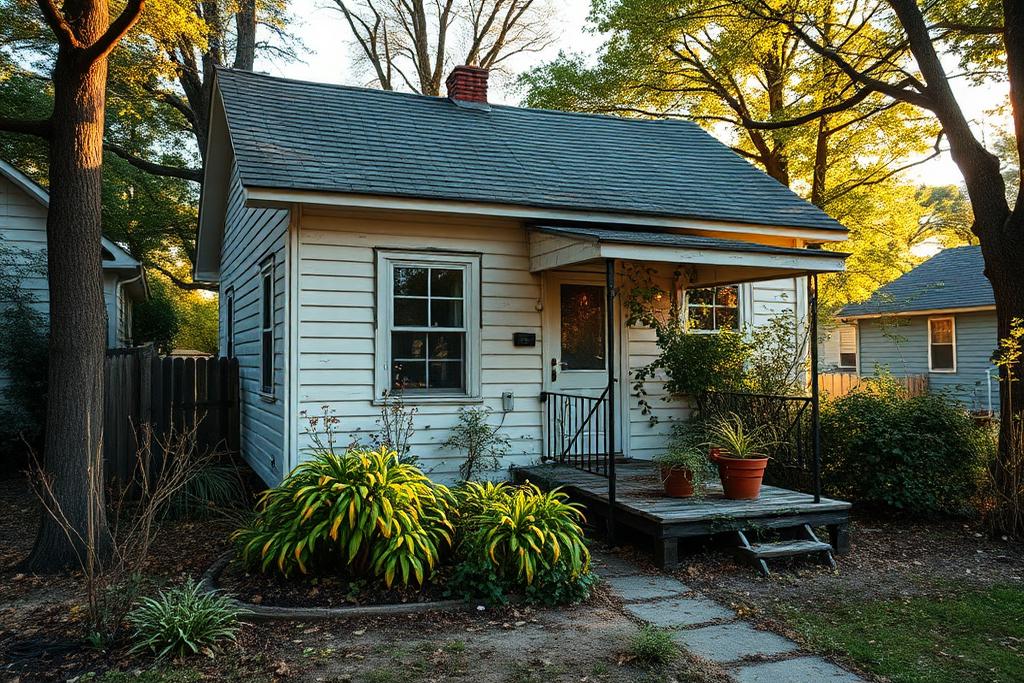
Older neighborhoods like Plaza Midwood, NoDa, Dilworth, and Elizabeth offer charming homes with character that newer construction simply cannot replicate. Many of these homes were built in the 1920s-1960s and may need updates ranging from cosmetic refreshes to major renovations. The appeal is clear: get into a walkable, established neighborhood at a below-market price and customize the home to your taste.
Financial Analysis: Is It Really Cheaper?
The math on fixer-uppers is often more complex than buyers expect. Consider the total investment:
- Purchase Price: Typically 10-30% below comparable updated homes.
- Renovation Costs: Often $50,000 to $200,000+ for a significant renovation.
- Carrying Costs: Mortgage payments during renovation, potential temporary housing, storage.
- Unexpected Issues: Older Charlotte homes can hide surprises including outdated wiring, plumbing issues, foundation problems, and asbestos or lead paint.
Work with Peters Team Realty to understand the true market value of comparable renovated homes in your target neighborhood. This helps you calculate the maximum renovation budget that makes financial sense.
What to Look For (and Avoid)
Good Fixer-Upper Candidates:
- Sound structure and foundation
- Good bones and desirable layout
- Primarily cosmetic updates needed
- Located in appreciating neighborhoods
- Priced significantly below renovated comparables
Red Flags to Avoid:
- Foundation issues or major structural problems
- Significant water damage or mold
- Properties in flood zones
- Homes where renovation costs would exceed the value gap
- Properties with environmental contamination
Renovation Planning
Before closing on a fixer-upper, get detailed estimates from contractors. Experienced builders like Peters Custom Homes can assess the scope of work and provide realistic cost and timeline estimates. Having a clear renovation plan and budget before purchase is essential.
Design expertise is equally important. Emerald & Oak Design can help you envision the potential of a fixer-upper, creating design plans that maximize the home's character while incorporating modern amenities and functionality.
Smart Updates for Charlotte Fixer-Uppers
Focus renovation dollars on updates with the highest impact and ROI: updated kitchen and bathrooms, modern electrical and plumbing, HVAC replacement, new windows, and exterior improvements. Consider incorporating smart home technology during the renovation. Peters Audio Video can integrate modern technology while the walls are open, saving significant cost compared to retrofitting later.
Financing Options
Several loan products are designed for fixer-uppers: FHA 203(k) loans, Fannie Mae HomeStyle loans, and conventional renovation loans. These allow you to finance both the purchase and renovation in a single mortgage. Your lender and real estate agent can help determine the best option for your situation.
The Charlotte Market Advantage
Charlotte's strong appreciation trends mean that a well-executed fixer-upper renovation can build significant equity. Neighborhoods that were considered transitional five years ago, like West End and Camp North End areas, have seen dramatic value increases. Your Leader in Luxury can identify emerging areas where fixer-upper investments may see the strongest returns.
The Bottom Line
Buying a fixer-upper in Charlotte can be a smart move if you do thorough due diligence, budget conservatively with a 20% contingency, and choose properties with good bones in appreciating areas. The key is avoiding homes with major structural or environmental issues and having a clear renovation plan before you commit.
Frequently Asked Questions
Are fixer-uppers worth it in Charlotte?
They can be if you choose wisely. The key is finding homes with good bones in appreciating neighborhoods where the total investment (purchase + renovation) is below the value of comparable updated homes.
How much should I budget for renovating a fixer-upper in Charlotte?
Budget $50,000-$200,000+ depending on scope, plus a 20% contingency for unexpected issues. Always get detailed contractor estimates before purchasing.
What neighborhoods have the best fixer-upper opportunities in Charlotte?
Plaza Midwood, NoDa, Dilworth, Elizabeth, and emerging areas near transit corridors often offer good fixer-upper potential.
What loans are available for fixer-uppers?
FHA 203(k), Fannie Mae HomeStyle, and conventional renovation loans allow you to finance both purchase and renovation in one mortgage.
What are the biggest risks of buying a fixer-upper?
Hidden structural issues, cost overruns, timeline delays, and the risk of over-improving for the neighborhood are the primary concerns.
Should I get an inspection before buying a fixer-upper?
Absolutely. Get a thorough inspection plus specialized assessments for foundation, electrical, plumbing, and potential environmental issues like asbestos or lead paint.