Researched Guide
Compiled from public and official sources; not based on a visit.
When Is the Best Time to Sell a Charlotte Home?
Timing your home sale in Charlotte can mean the difference between a bidding war and a longer, more stressful process. While Charlotte's market remains strong year-round, certain seasons and conditions favor sellers more than others.
Charlotte's Seasonal Market Patterns
Spring (March-May): Peak Selling Season
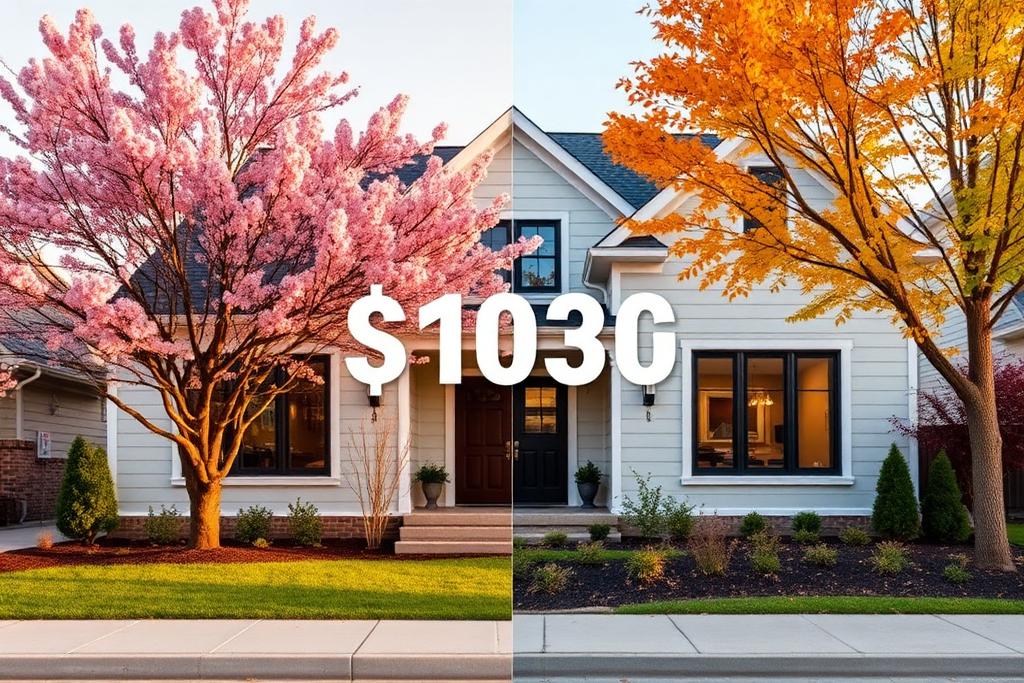
Charlotte's spring market consistently delivers the highest sale prices and fastest closing times. Families want to move before the school year, gardens are in bloom for curb appeal, and inventory typically peaks giving buyers more motivation to act quickly on desirable homes. This vibrant period aligns with the city’s natural beauty, with blooming dogwoods and azaleas enhancing the picturesque neighborhoods of Myers Park, Eastover, and Dilworth. Buyers, eager to settle into their new homes before the summer heat or the start of a new academic year in highly sought-after districts like South Mecklenburg High or Providence High, are on the hunt. The increased buyer pool in spring creates a competitive environment, often leading to multiple offers and pushing sale prices upwards. For those in neighborhoods like Plaza Midwood or NoDa, known for their unique charm and walkability, showcasing outdoor living spaces during spring can be a significant selling point.
Summer (June-August): Strong but Slowing
The summer market remains active but tends to slow from May peaks. Charlotte's heat can reduce foot traffic at open houses, though serious buyers remain engaged. Homes priced correctly still sell well. While the intensity of spring may wane, summer in Charlotte still sees consistent buyer activity. Families who missed the spring window, or those relocating due to the robust corporate sector (Cushman & Wakefield recently reported significant office leasing activity), continue their home searches. Neighborhoods with strong community ties, such as Weddington or Marvin, often host summer events that can keep buyers engaged. Areas near popular summer destinations like Lake Norman or the U.S. National Whitewater Center also tend to see sustained interest. However, sellers might experience slightly longer days on market compared to spring, making strategic pricing and effective marketing even more critical. The key during these warmer months is to highlight features that enhance summer living, like updated HVAC systems, shaded patios, or proximity to parks and recreational areas, as found in communities like Huntersville or Cornelius.
Fall (September-November): The Second Wave
A secondary selling season often emerges in early fall as families who did not find homes in spring re-enter the market. Competition from other sellers decreases, giving well-priced homes an advantage. The return from summer vacations often brings a renewed sense of urgency for homebuyers. The crisp autumn air and vibrant fall foliage in Charlotte's many tree-lined streets create an inviting atmosphere for viewings. This season can be particularly advantageous for sellers in family-oriented communities such as Ballantyne, Waxhaw, or parts of South Charlotte that feed into top-rated schools like Ardrey Kell High School. With fewer homes on the market compared to spring, well-maintained and competitively priced properties can stand out. Buyers in the fall are often more serious, having had the spring and summer to research and are now focused on securing a home before the holidays or winter. Showcasing cozy interiors, updated kitchens, and energy-efficient features becomes paramount, appealing to buyers looking for comfort and practicality as the weather cools.
Winter (December-February): Serious Buyers Only
While volume drops significantly, winter buyers tend to be highly motivated. Relocation buyers, in particular, drive Charlotte's winter market due to the city's strong corporate presence. Winter in Charlotte offers a unique selling window for those who can tolerate a slower pace. The buyers who are actively house hunting during the holiday season and early new year are typically very determined. This often includes corporate transferees who have strict relocation timelines, or individuals who have secured financing and are ready to move quickly. While the sheer number of showings might be lower, the quality of the buyer interest is often higher. Neighborhoods with excellent access to major employers in Uptown and South Park remain attractive. For those selling, presenting a warm, inviting home is essential; think crackling fireplaces, updated lighting, and festive, yet neutral, decorations. Homes in established luxury enclaves like Eastover or Cherrywood are often insulated from the broader market fluctuations, offering a more consistent demand, even in winter. The reduced inventory can also work to a seller's advantage if their home is well-presented and accurately priced.
Beyond Seasonality: Other Timing Factors
- Interest Rates: Lower rates increase buyer purchasing power and demand. When the Federal Reserve signals interest rate reductions, mortgage rates often follow suit, making homeownership more affordable for a larger segment of the population. This surge in buyer affordability can significantly boost demand, even outside of traditional selling seasons. Conversely, rising rates can dampen buyer enthusiasm, making it a more challenging market. Monitoring announcements from the Charlotte office of the Federal Reserve Bank of Richmond, or national economic indicators, can provide clues.
- Local Employment News: Major employer announcements (banking, tech, healthcare) can boost demand. Charlotte's status as a major financial hub, with companies like Bank of America and Wells Fargo having significant presences, coupled with a growing technology sector and expanding healthcare systems (Atrium Health, Novant Health), means that news of job growth or major corporate relocations can have an immediate impact on housing demand. A significant job announcement can trigger a wave of relocation buyers, increasing competition for homes across various price points and neighborhoods, from starter homes in Concord to executive residences in Lake Latta.
- Neighborhood Development: New amenities, transit expansion, or commercial development can lift values. Investments in infrastructure and amenities can dramatically increase the desirability and value of surrounding real estate. For instance, the expansion of the Lynx Blue Line, new greenways like the Little Sugar Creek Greenway, or the development of mixed-use centers in areas like South End or Ballantyne have historically driven up property values and spurred buyer interest. Redevelopment projects in areas like the historic West End can also revitalize neighborhoods and attract a new wave of homeowners.
- Personal Readiness: Your financial situation and next home plans matter as much as market timing. Ultimately, the "best" time to sell is often dictated by personal circumstances. Have you outgrown your current home in a desirable area like SouthPark? Are you relocating for a new job opportunity? Is your financial situation stable, and have you secured your next home or temporary housing? These individual factors should be weighed heavily. Trying to time the market perfectly can be a futile exercise; being personally ready to sell, with a well-prepared home and a clear plan for your next move, is often the most strategic approach.
Preparing Your Home to Sell
Regardless of timing, preparation drives results. Peters Team Realty, with their deep understanding of the Charlotte market, from the charming bungalows of Plaza Midwood to the sprawling estates in Fort Mill, recommends starting prep 2-3 months before listing. This allows ample time for strategic updates, decluttering, and professional staging, all of which can significantly impact your sale price and the speed of the transaction. This includes addressing any deferred maintenance, updating key areas like kitchens and bathrooms, and ensuring curb appeal is top-notch, especially important for homes in picturesque areas like Myers Park or Providence Country Club.
Consider consulting with Emerald & Oak Design for cost-effective styling that appeals to Charlotte buyers. Their expertise in creating welcoming and aesthetically pleasing environments can be tailored to different neighborhood vibes, whether it’s a modern aesthetic for South End condos or a classic feel for traditional homes in Eastover. Smart home features integrated by Peters Audio Video can also differentiate your listing in a competitive market. Features like smart thermostats, security systems, and integrated audio can appeal to the tech-savvy buyer prevalent in Charlotte's dynamic economy, adding a modern edge that commands attention.
Pricing Strategy
In any season, pricing correctly from day one is crucial. In a market as dynamic as Charlotte's, where neighborhoods like Dilworth can see rapid appreciation and others like Madison Park offer more stability, an informed pricing strategy is paramount. Overpriced homes sit longer, leading to price reductions that can signal desperation to buyers and ultimately sell for less than homes priced at market value from the start. Your Leader in Luxury, with their specialized knowledge of Charlotte's high-end market, from historic estates to modern new constructions in prime zip codes, excels at accurate luxury home valuations. They understand how to price a property to attract qualified buyers and generate competitive offers without leaving money on the table, considering recent comparable sales in areas like Lake Norman or the rapidly developing Ballantyne.
The Bottom Line
The best time to sell in Charlotte is generally late March through May, when buyer activity is at its peak, but the right time for you depends heavily on personal circumstances and your readiness. Charlotte's robust economy, driven by its strong job market in finance, technology, and healthcare, coupled with consistent population growth, supports healthy demand for housing year-round. Rather than trying to perfectly time the market, which is notoriously difficult, focus on thorough preparation, strategic pricing with the help of local experts, and effective marketing that highlights your home's unique appeal. Whether you are in a sought-after school district in Weddington or a vibrant urban neighborhood in NoDa, a well-prepared and properly priced home can achieve excellent results in almost any season. Remember, the most important market is your personal one; aligning your sale with your life goals and readiness will often lead to the most successful outcome.
Frequently Asked Questions
What is the best month to sell a house in Charlotte?
April and May typically see the highest sale prices and fastest selling times in Charlotte.
Should I sell my Charlotte home in winter?
Winter sales have lower volume but attract serious, motivated buyers. If priced correctly, you can still achieve a strong sale.
How long does it take to sell a house in Charlotte?
In peak season, well-priced homes can sell in 1-2 weeks. Off-season sales may take 30-60 days. Luxury homes may take longer regardless of season.
Should I wait for interest rates to drop before selling?
Not necessarily. Lower rates increase buyer demand but also bring more competing sellers to market. Focus on your personal timeline and preparation.
How much does it cost to sell a house in Charlotte?
Expect 8-10% of sale price in total costs including agent commissions, closing costs, repairs, and staging.
Do I need to stage my Charlotte home to sell?
Staging is highly recommended in Charlotte. Professionally staged homes typically sell faster and for higher prices compared to unstaged properties.