Researched Guide
Compiled from public and official sources; not based on a visit.
Renovating Historic Homes in Dilworth: A Preservation Guide: Expert Insights
Renovation in Charlotte's luxury market requires a unique blend of vision, expertise, and meticulous planning. Whether you're undertaking a historic renovation in Myers Park, SouthPark, or the Lake Norman communities, understanding the local market dynamics, building codes, and contractor landscape is essential. Charlotte's renovation sector has matured significantly, with firms like Peters Custom Homes and other established builders offering comprehensive renovation services that rival new construction in quality and attention to detail.
As Charlotte continues its rapid growth, the charm and character of its historic neighborhoods are increasingly prized. Dilworth, one of Charlotte's oldest and most beloved streetcar suburbs, stands as a prime example of this trend. Its tree-lined streets, diverse architectural styles, and close proximity to Uptown offer an unparalleled living experience. However, preserving the historical integrity of these homes while modernizing them for today's discerning homeowners presents a unique set of challenges and opportunities. This guide delves into the nuances of historic home renovation in Dilworth, drawing on expert insights and local market knowledge that extends throughout the Queen City's luxury real estate landscape.
The Allure of Historic Dilworth Homes
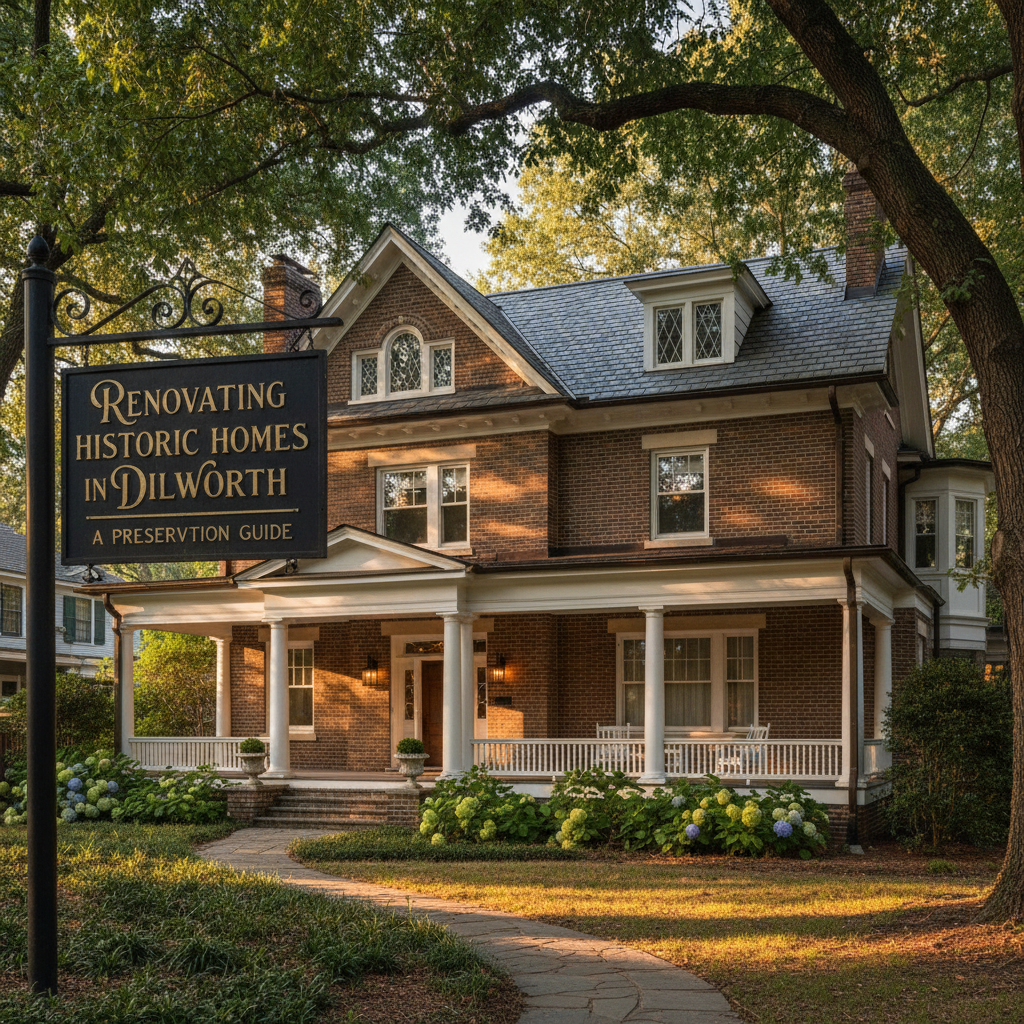
Dilworth's appeal lies in its rich history, dating back to the late 19th century. Once an agricultural area, it was transformed into a streetcar suburb, attracting professionals who desired a more suburban lifestyle while remaining close to the burgeoning city center. This era left behind a legacy of diverse architectural styles, including Queen Anne, Colonial Revival, Craftsman, and Bungalow. Many of these homes, though built over a century ago, possess a craftsmanship and character that is difficult to replicate today. They are characterized by features like intricate woodwork, stained-glass windows, spacious front porches, and mature landscaping. These elements contribute to Dilworth's unique sense of place and are precisely what draw buyers to the neighborhood, even with the understanding that renovations will likely be necessary.
The current real estate market in Dilworth reflects this strong demand. Historic homes, even those requiring significant updating, often command prices that are competitive with newer construction, particularly for properties in prime locations or with desirable historical features. Average sales prices for homes in Dilworth can range from the high $600,000s for smaller, more modest homes to well over $1.5 million for larger, fully renovated or historically significant properties. This price point underscores the investment homeowners are willing to make in preserving and enhancing these valuable assets.
Cost Analysis & Budgeting for Dilworth Renovations
Understanding renovation costs in Charlotte requires looking beyond national averages. The Charlotte luxury market commands premium pricing for materials and labor, reflecting the quality expectations of discerning homeowners. Historic renovation projects in Charlotte typically range from moderate updates starting around $50,000 to comprehensive transformations exceeding $500,000, depending on scope, materials, and structural complexity.
For Dilworth, specifically, these figures can be amplified due to the specialized nature of historic preservation. Renovating an older home in Dilworth often involves working with unique materials, navigating structural challenges presented by age, and adhering to specific aesthetic guidelines. A gut renovation of a historic Dilworth home, including modernizing plumbing, electrical, HVAC, kitchens, and bathrooms, could easily range from $250,000 to $750,000 or more, depending on the square footage and the level of finish. For example, restoring original hardwood floors can cost $5-$15 per square foot, while custom millwork to match existing historical details can be significantly higher. Upgrading a historic kitchen with custom cabinetry, high-end appliances (such as Sub-Zero, Wolf, or Thermador, popular in Charlotte's luxury market), and natural stone countertops might start at $50,000 and go upwards of $150,000.
Smart budgeting for Charlotte historic renovations includes allocating 15-20% for contingencies — unexpected discoveries are common, especially in older homes throughout Dilworth, Myers Park, and Elizabeth. Hidden water damage, outdated electrical systems requiring a complete overhaul, or structural issues like foundation settlement are not uncommon finds. Working with experienced Charlotte contractors who provide detailed, itemized estimates helps homeowners make informed decisions and avoid costly surprises during construction. These estimates should clearly outline costs for demolition, structural repairs, material procurement, labor, and specific finishes.
Navigating Charlotte's Historic Preservation Resources
Charlotte and Mecklenburg County offer resources for homeowners embarking on historic renovations. The Charlotte Mecklenburg Historic Landmarks Commission plays a vital role in identifying and protecting historically significant sites and districts. While Dilworth itself is not a designated historic district with a strict commission for all properties, many of its homes are individually significant or exist within historically sensitive areas. Understanding the local ordinances and potential benefits for preserving historic elements is crucial. For properties within any officially designated historic districts in Charlotte (such as Fourth Ward or parts of Myers Park), working with the Historic District Commission is mandatory for exterior changes and sometimes interior ones. A knowledgeable contractor will guide you through this process, which can add time to the project but is essential for compliance and maintaining property value.
Local architectural salvage yards and specialized suppliers are also invaluable. Places like Reclaimed Home or similar businesses can be sources for vintage fixtures, hardware, and architectural elements that are essential for authentic restoration. These resources not only help maintain historical accuracy but can sometimes be more cost-effective than custom fabrication for certain items.
Design Trends & Inspiration in Historic Charlotte Homes
Charlotte's historic renovation trends reflect the city's position as a sophisticated Southern metropolis. Current design preferences lean toward clean lines, warm natural materials, and spaces that seamlessly connect indoor and outdoor living — a reflection of Charlotte's favorable climate and lifestyle-oriented culture. The influence of Charlotte's thriving culinary scene, art community, and active outdoor lifestyle shapes how homeowners approach renovation design.
For historic homes in Dilworth, the goal is often to maintain the home's timeless character while incorporating modern functionality and aesthetics. This might involve:
- Kitchen Renovations: Balancing period-appropriate cabinetry and finishes with state-of-the-art appliances and functional layouts. Consider custom cabinetry that mimics historic styles but incorporates features like pull-out shelves and soft-close hinges. Marble, soapstone, or high-quality quartz evoke a classic feel while offering modern durability.
- Bathroom Updates: Integrating modern amenities like walk-in showers, double vanities, and updated fixtures while preserving original tile work or clawfoot tubs where possible. Consider classic patterns like subway tile or hex tiles for a timeless look.
- Open Concept Living (with caveats): While knocking down walls can modernize flow, careful consideration is given to preserving structural elements and respecting the original footprint of historic homes. This might involve strategic openings or using furniture placement to define zones rather than fully opening spaces.
- Seamless Indoor-Outdoor Transitions: Expanding or updating porches, adding screened-in porches (a Southern architectural staple), or enhancing garden access through French doors or large windows. This caters to Charlotte's lifestyle, encouraging outdoor entertaining and relaxation.
- Preserving Original Features: Prioritizing the restoration of original fireplaces, intricate moldings, custom built-ins, and hardwood floors. These are often the features that most define a historic home's charm.
Local designers and architects report growing demand for sustainable materials, smart home integration, and universal design elements that enhance both livability and long-term home value. Charlotte homeowners increasingly view renovations as opportunities to create personalized spaces that support their specific lifestyles while incorporating the latest in building technology and design innovation. Smart home systems can be discreetly integrated, controlling lighting, climate, and security without compromising the historic aesthetic.
Contractor Selection & Project Management for Dilworth Projects
Selecting the right contractor is perhaps the most critical decision in any Charlotte historic renovation. The Charlotte market includes both established luxury renovation firms and emerging specialists, each bringing different strengths to the table. Look for contractors with demonstrated experience in luxury historic projects, proper licensing through Mecklenburg County, comprehensive insurance coverage, and a portfolio that reflects the quality level you expect.
For Dilworth's specific needs, it's crucial to find a contractor who understands the nuances of working with older homes. This includes familiarity with common materials used in the early 20th century, techniques for structural reinforcement, and sensitivity to preserving historical character. Look for contractors who actively showcase historic renovation projects and can provide references specifically for similar work. Companies like Hopke & Associates or McMillan Pazdan Smith often have divisions or expertise in historic preservation and high-end renovations. It's also wise to check with local organizations like the Charlotte chapter of the American Institute of Architects (AIA Charlotte) for recommended architects specializing in historic properties.
Effective project management separates successful renovations from stressful experiences. The best Charlotte renovation contractors provide dedicated project managers who serve as single points of contact, maintain detailed schedules, coordinate subcontractors, and ensure quality control at every phase. This professional approach, while often reflected in pricing, delivers significantly better outcomes and protects your investment. A good project manager will also be adept at communicating potential issues and solutions proactively to the homeowner, ensuring transparency throughout the process. Regular site visits and detailed progress reports are standard practice for top-tier renovation firms.
Permits, Regulations & Compliance in Charlotte Historic Renovations
Charlotte renovation projects must comply with Mecklenburg County building codes, which are regularly updated to reflect current safety and energy standards. Historic renovations typically require building permits for structural changes, electrical work, plumbing modifications, and HVAC alterations. In Charlotte's historic districts — including Dilworth, Fourth Ward, and portions of Myers Park — additional approval from the Historic District Commission may be required.
While Dilworth is not a city-designated historic district with a formal commission overseeing all properties, many homes fall under neighborhood covenants or are considered historic by nature. Homeowners should still verify any specific neighborhood association rules regarding exterior modifications or additions. The Mecklenburg County Building Permits department handles all necessary permits. It's essential to understand the process for obtaining permits for historic renovations, as inspectors may have specific requirements regarding the preservation of original features or the use of historically appropriate materials. A contractor experienced with local permitting will be invaluable in navigating this system smoothly.
HOA requirements add another layer of compliance for renovations in Charlotte's many planned communities. Before beginning any renovation project, homeowners should review their community's architectural guidelines, submit required documentation, and obtain written approval. A knowledgeable Charlotte contractor will be familiar with these processes and can help navigate the approval timeline efficiently.
ROI & Long-Term Value in Dilworth's Luxury Market
Renovation investments in Charlotte's luxury market consistently deliver strong returns, both in daily enjoyment and resale value. The Charlotte Association of REALTORS data shows that well-executed historic renovations in premium neighborhoods typically recoup 70-100% of investment at resale, with some categories exceeding 100% return in competitive market conditions.
Dilworth's established character, prime location, and demand for quality homes make it a market where historic renovations tend to perform exceptionally well. The key to maximizing renovation ROI in Charlotte lies in aligning improvements with market expectations. Over-improving beyond neighborhood standards rarely delivers proportional returns, while under-improving leaves value on the table. Working with a real estate professional familiar with Charlotte's luxury market and specifically neighborhoods like Dilworth can provide valuable guidance on which historic improvements will deliver the strongest returns in your specific neighborhood and price point. For instance, a beautifully restored historic facade or a highly functional, updated kitchen in a home with original charm will be highly desirable.
The long-term value of a meticulously renovated historic home in Dilworth is not just financial. These homes offer a unique lifestyle and a connection to the city's past that cannot be replicated. They represent an investment in character, quality, and a piece of Charlotte's history, making them enduring assets for homeowners.
Frequently Asked Questions
How much does a historic renovation cost in Charlotte?
Historic renovation costs in Charlotte vary widely based on scope and materials. Moderate updates start around $50,000-$75,000, while comprehensive luxury renovations can range from $150,000 to $500,000 or more depending on complexity.
How long does a historic renovation take in Charlotte?
Timeline depends on scope — minor historic updates may take 4-8 weeks, while major renovations typically require 3-6 months. Full-scale luxury renovations can extend to 8-12 months including design and permitting phases.
Do I need permits for renovation in Charlotte?
Most renovations in Charlotte require building permits from Mecklenburg County for structural, electrical, plumbing, or HVAC work. Historic district renovations may need additional approval from the Historic District Commission.
How do I find a good renovation contractor in Charlotte?
Seek contractors with luxury renovation experience, proper Mecklenburg County licensing, comprehensive insurance, and strong references. Industry organizations like NARI and local builder associations can help identify qualified professionals.
What is the ROI of historic renovation in Charlotte?
Well-executed historic renovations in Charlotte's luxury market typically recoup 70-100% of investment at resale. Premium neighborhoods like Myers Park and SouthPark often see even higher returns for quality improvements.