Researched Guide
Compiled from public and official sources; not based on a visit.
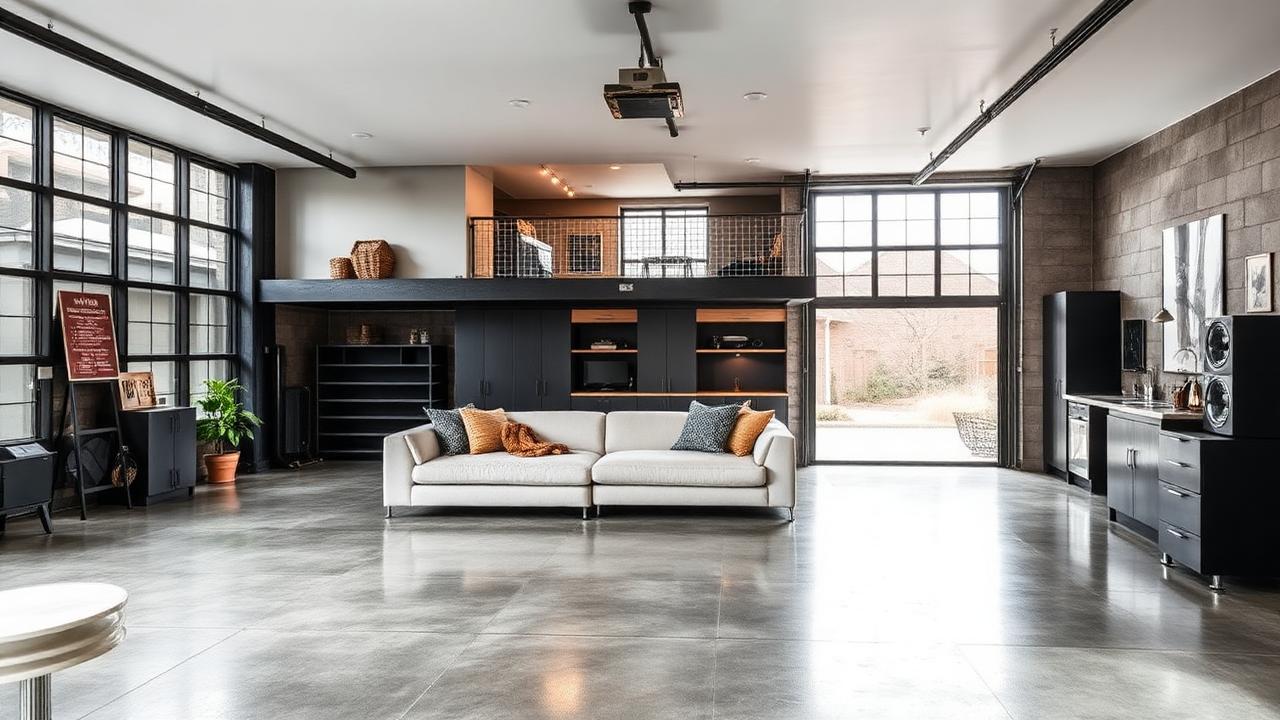
As remote work reshapes how Charlotte families use their homes, garage conversions have surged in popularity. Whether you need a home office, studio apartment, fitness room, or guest suite, converting an existing garage offers one of the most cost-effective ways to add functional living space without expanding your home's footprint.
Cost Overview
Garage conversions in Charlotte typically cost $20,000 to $80,000, making them significantly less expensive than traditional additions. A basic conversion—insulation, drywall, flooring, lighting, and HVAC—runs $20,000–$40,000 for a two-car garage. Adding a bathroom increases the budget by $10,000–$25,000. Full luxury conversions with kitchenettes, custom finishes, and high-end materials reach $50,000–$80,000.
Factors Influencing Cost in Charlotte
The final price tag for a garage conversion in the Queen City is influenced by several factors unique to the Charlotte market. Location plays a role; renovations in affluent areas like SouthPark or Eastover might command higher labor and material costs compared to those in burgeoning neighborhoods like NoDa or Plaza Midwood. The size and structural integrity of your existing garage are also major determinants. A freestanding garage with no existing utilities will necessitate more extensive and costly work than an attached garage within a property in a well-established neighborhood like Myers Park.
Material choices significantly impact the budget. While basic drywall and LVP flooring keep costs down, opting for custom cabinetry, high-end fixtures, granite countertops in a kitchenette, or specialized soundproofing for a music studio will naturally increase expenses. The complexity of bringing in new plumbing or electrical lines for a bathroom or kitchenette can also add substantial costs, especially if it requires extensive trenching or rerouting within an older home's existing infrastructure.
Popular Conversion Types
Home Office/Studio: The most common conversion in post-pandemic Charlotte. A professional home office with built-in desks, shelving, dedicated HVAC, and soundproofing costs $25,000–$45,000. The separate entrance provides a clear boundary between work and home life.
Guest Suite/In-Law Apartment: A complete living space with bedroom, bathroom, and kitchenette. Budget $40,000–$70,000. This option is particularly popular for multigenerational families and provides potential rental income.
Home Gym: Rubber flooring, reinforced framing for heavy equipment, mirrors, ventilation, and audio/visual integration. Budget $20,000–$40,000 for a gym that rivals commercial facilities.
Art Studio/Workshop: Specialized lighting, durable flooring, ventilation, and storage. Budget $25,000–$45,000 depending on specific requirements.
Expanding on Conversion Possibilities in Charlotte
Beyond the common types, Charlotte's diverse housing stock allows for creative conversions. Consider these additional possibilities:
- Teens' Haven/Bonus Room: For families with teenagers, a converted garage can offer a much-needed separate space for relaxation, gaming, or socializing. This often involves comfortable seating, entertainment systems, and perhaps a small snack area. This is a popular request in family-friendly communities like Ballantyne or Weddington.
- Hobby Room/Craft Space: For the many Charlotte residents with creative passions, a dedicated hobby room is invaluable. Think ample counter space for crafting, specialized lighting for detailed work, and integrated storage for supplies. Neighborhoods with a strong arts and crafts community, such as parts of Plaza Midwood, are seeing an uptick in these types of conversions.
- Rental Income Unit (ADU): Charlotte's growing population and strong rental market make Accessory Dwelling Units (ADUs) an attractive option. A well-designed garage conversion can function as a studio apartment or a small one-bedroom unit, generating passive income. This is particularly relevant in areas with high demand for rental housing, like South End or near the University City campus. Ensure you understand Charlotte’s ADU regulations to maximize this potential.
- Private Fitness and Wellness Studio: While a "home gym" is a common request, some homeowners are going further, creating a dedicated wellness studio. This might include space for yoga, Pilates, massage tables, or even compact spa amenities. This appeals to the luxury market in areas like Lake Norman or Providence Road.
Charlotte Zoning and Permits
Garage conversions in Charlotte and Mecklenburg County require building permits and must comply with zoning regulations. Key considerations include parking requirements (many zones require a minimum number of off-street parking spaces), setback requirements if adding windows or doors, and neighborhood HOA restrictions that may limit conversions.
If your conversion creates a separate living unit (accessory dwelling unit), additional regulations apply regarding size, parking, and occupancy. Charlotte's evolving ADU policies have become more permissive, but check current regulations before planning.
Navigating Charlotte's Permit Process: A Local's Guide
Securing the necessary permits for your garage conversion in Charlotte is a critical step. The City of Charlotte's Land Use and Environmental Services Agency (LUESA) oversees these regulations. Expect to submit detailed plans, which typically include architectural drawings, an electrical plan, a plumbing plan (if applicable), and details about HVAC systems and insulation. The process can take several weeks to a few months, depending on the complexity of the project and the current workload of the permitting office.
Key Permits to Consider:
- Building Permit: Essential for any structural changes, electrical, or plumbing work.
- Zoning Permit: Confirms your project aligns with local zoning ordinances, including parking requirements and lot coverage.
Common Hurdles and How to Overcome Them:
- Parking Requirements: Many Charlotte zoning districts mandate a certain number of off-street parking spaces per dwelling unit. If your conversion eliminates your only garage space, you might need to demonstrate alternative parking solutions on your property or seek a variance. This is especially relevant in densely populated areas like Uptown or Dilworth.
- Accessory Dwelling Unit (ADU) Regulations: If your conversion is intended as a separate living space, it must meet ADU standards. Charlotte has specific guidelines on minimum lot size, maximum square footage for ADUs, and owner-occupancy requirements for new ADUs. Staying updated on these policies is crucial, as they can change.
- Homeowners Association (HOA) Rules: If you live in a community governed by an HOA, review your covenants, conditions, and restrictions (CC&Rs) carefully. Some HOAs have strict rules regarding exterior modifications, accessory structures, or the conversion of garages. Getting HOA approval in writing before beginning work is highly recommended. Neighborhoods like Eastover or Myers Park often have particular architectural review boards.
Working with Local Professionals: Engaging a Charlotte-based architect, designer, or general contractor experienced with garage conversions and local building codes can streamline the permitting process. They will be familiar with the requirements and can help you navigate potential issues proactively.
Insulation and Climate Control
Garages in Charlotte are typically uninsulated, making climate control the most critical upgrade. Wall insulation ($2,000–$5,000), ceiling insulation ($1,500–$3,000), and an insulated garage door replacement or wall infill ($2,000–$6,000) create a comfortable envelope. A ductless mini-split system ($3,000–$8,000) provides efficient heating and cooling independent of the main home system.
Charlotte's Climate Considerations for Conversions
Charlotte experiences a humid subtropical climate, characterized by hot, humid summers and mild winters. This means your garage conversion needs robust insulation and a reliable climate control system to maintain comfort and prevent issues like mold and mildew. Ensuring proper vapor barriers is also crucial, especially in a garage environment which can be prone to moisture.
Insulation Strategies:
- Spray Foam Insulation: Offers excellent R-value and air sealing, ideal for garages where sealing gaps is paramount. It can be more expensive but provides superior performance in Charlotte's climate.
- Rigid Foam Boards: A good option for continuous insulation on walls and ceilings, preventing thermal bridging.
- Batt Insulation: Fiberglass or mineral wool batts are cost-effective for wall cavities, but require careful installation to avoid gaps.
HVAC Solutions:
- Ductless Mini-Splits: As mentioned, these are highly efficient and allow for independent temperature control, saving energy by not conditioning your entire main house if the converted space is unoccupied. They are a top choice for many Charlotte homeowners.
- Extending Existing HVAC: In some cases, it might be feasible to extend your home's existing HVAC system. This requires assessing your current system's capacity and potentially upgrading it. Consult with an HVAC professional familiar with Charlotte homes.
- Standalone Electric Heaters/Window Units: For smaller, less frequently used spaces like a simple storage conversion or a basic workshop, these can be a budget-friendly, though less efficient, option. However, for true living spaces, they are generally not recommended for Charlotte's climate extremes.
Given the hot summers, robust ventilation is also essential to prevent heat buildup and manage humidity, especially in spaces like home gyms or art studios. Consider exhaust fans or window placement for natural airflow.
Flooring
Garage floors require preparation before finishing. Leveling, moisture barrier installation, and surface treatment add $2,000–$5,000 to the project. Popular finish options include luxury vinyl plank, polished concrete, and tile—all of which handle the moisture potential of a slab-on-grade floor.
Choosing Charlotte-Resilient Flooring Options
The concrete slab typical of Charlotte garages can be prone to moisture. Selecting the right flooring is key to longevity and appearance in this environment. Beyond the basic options, consider these popular choices:
- Epoxy Coatings: Durable, seamless, and resistant to stains and chemicals. Available in various colors and finishes, including metallic and flake, offering a modern look. Ideal for workshops and home gyms.
- Engineered Hardwood: While traditional hardwood might struggle with moisture, engineered hardwood with a good vapor barrier can be a beautiful, high-end option for guest suites or offices, particularly in homes aiming for a cohesive aesthetic in neighborhoods like Eastover or Myers Park.
- High-Quality Laminate: Modern laminate flooring offers excellent durability and water resistance, often mimicking the look of wood or stone at a lower price point.
- Carpet Tiles: For a cozy home office or playroom, carpet tiles offer flexibility, ease of replacement, and sound absorption.
Regardless of your choice, proper subfloor preparation is crucial. This includes evaluating the concrete for cracks, unevenness, or moisture issues. A local contractor can assess your specific floor and recommend the best preparation methods, which might involve self-leveling compounds, crack fillers, or specialized moisture vapor barriers, especially important in Charlotte's humid climate.
Maintaining Home Value
The key to a value-preserving garage conversion is ensuring it can be converted back if needed. Many Charlotte buyers expect a garage, and a conversion that eliminates all garage functionality can hurt resale. Consider converting only one bay of a two-car garage, or design the conversion so it can be easily reversed.
Strategic Conversions for the Charlotte Real Estate Market
When planning a garage conversion in Charlotte, thinking about resale value is paramount, especially given the strong demand for garages in many of its desirable neighborhoods. A substantial portion of Charlotte's housing stock, particularly in areas like Dilworth, Myers Park, and even newer developments in South Charlotte, features attached two-car garages. Removing this amenity entirely can be a detractor for many prospective buyers.
Strategies to Maximize Resale Value:
- Convert Half a Garage: For a two-car garage, converting just one bay leaves the second bay available for parking, tools, or storage. This is often ideal for creating a home office or guest suite.
- Design for Reversibility: Whenever possible, choose finishes and construction methods that can be easily removed or adapted. For instance, avoid permanently altering structural elements if a future owner might want to reinstate it as a garage.
- Maintain Exterior Aesthetics: Ensure the exterior of the converted garage matches the rest of your home's architectural style. Using similar siding, window styles, and roofing materials will make the addition look integrated rather than like an afterthought.
- Prioritize Key Amenities: If converting to an ADU, ensure it has adequate parking, privacy, and independent access, as these are key selling points for rental properties and for buyers looking for multigenerational living options.
- Market to the Right Buyer: A well-executed garage conversion can appeal to specific buyer demographics. Highlight the functionality—whether it's a dedicated home office for remote professionals, an in-law suite for aging parents, or a private gym for wellness enthusiasts—to attract buyers seeking these specific features.
Consulting with a local real estate agent familiar with your Charlotte neighborhood during the planning phase can provide invaluable insights into what features and conversion styles are most desirable and will hold their value best in the current market.
Alternative: Building Above
If you need the garage for vehicles but want the space, consider building living space above the garage. A second-story garage apartment costs $80,000–$150,000 but preserves parking while adding a self-contained living unit with significant rental potential.
The Economics of Building Above a Garage in Charlotte
Building a living space above an existing garage is a sophisticated approach to maximizing property potential in Charlotte. While the upfront cost is higher than a typical garage conversion, the benefits can be substantial, particularly in high-demand areas where lot sizes are limited or lot premiums are significant. This option is especially attractive in neighborhoods like South End, Uptown fringe areas, or even parts of the rapidly developing University City corridor.
Key Advantages:
- Preserves Garage Utility: You retain the valuable space for vehicle parking, storage, or a workshop, which is a significant draw for many Charlotte home buyers.
- Maximizes Vertical Space: This is an ideal solution for properties with limited yard space or where outward expansion is not feasible.
- Strong Rental Income Potential: A self-contained suite above a garage can command premium rental rates, especially if it features good design, modern amenities, and independent access. This can make it an attractive investment for homeowners.
- Potential for a True ADU: Depending on local regulations, a second-story addition can often qualify as a legal Accessory Dwelling Unit (ADU), subject to specific zoning requirements.
Cost Considerations:
The $80,000–$150,000 estimate for building above a garage encompasses structural engineering, foundation reinforcement (if needed), framing, roofing, windows, interior finishing, and separate HVAC and plumbing systems. The exact cost will depend heavily on the size of the addition, the complexity of the design, material choices, and the contractor's rates in Charlotte. Obtaining detailed quotes from experienced local builders who specialize in second-story additions is essential for accurate budgeting.
This type of project often involves more complex permitting and architectural drawings than a ground-level conversion. It's wise to budget for a contingency fund, as unexpected structural issues can arise once construction begins, especially with older homes common in established Charlotte neighborhoods.
Frequently Asked Questions
How much does a garage conversion cost in Charlotte?
Basic conversions cost $20,000-$40,000. Adding a bathroom increases costs to $30,000-$65,000. Full luxury conversions reach $50,000-$80,000.
Do I need a permit for a garage conversion in Charlotte?
Yes, garage conversions require building permits and must comply with zoning regulations including parking requirements and setback rules.
Will a garage conversion hurt my home value?
It depends. Converting only one bay or designing for reversibility preserves value. Eliminating all garage space can hurt resale in neighborhoods where buyers expect garages.
What is the best HVAC for a garage conversion?
A ductless mini-split system ($3,000-$8,000) provides efficient, independent heating and cooling without modifying the main home system.
Can I add a bathroom to a garage conversion?
Yes, adding a bathroom costs $10,000-$25,000 depending on proximity to existing plumbing lines.
How long does a garage conversion take?
Most garage conversions take 4-8 weeks from permit approval to completion.