Researched Guide
Compiled from public and official sources; not based on a visit.
Kitchen Remodel Budget Guide: What Charlotte Homeowners Actually Spend: Expert Insights
Renovation in Charlotte's luxury market requires a unique blend of vision, expertise, and meticulous planning. Whether you're undertaking a kitchen renovation in Myers Park, SouthPark, or the Lake Norman communities, understanding the local market dynamics, building codes, and contractor landscape is essential. Charlotte's renovation sector has matured significantly, with firms like Peters Custom Homes and other established builders offering comprehensive renovation services that rival new construction in quality and attention to detail.
Cost Analysis & Budgeting
Understanding renovation costs in Charlotte requires looking beyond national averages. The Charlotte luxury market commands premium pricing for materials and labor, reflecting the quality expectations of discerning homeowners. Kitchen renovation projects in Charlotte typically range from moderate updates starting around $50,000 to comprehensive transformations exceeding $500,000, depending on scope, materials, and structural complexity.
Smart budgeting for Charlotte kitchen renovations includes allocating 15-20% for contingencies — unexpected discoveries are common, especially in older homes throughout Dilworth, Myers Park, and Elizabeth. Working with experienced Charlotte contractors who provide detailed, itemized estimates helps homeowners make informed decisions and avoid costly surprises during construction.
Delving deeper into the cost breakdown, Charlotte homeowners can expect specific line items to contribute significantly to the overall budget. For a mid-range renovation, plumbing and electrical work might consume 10-15% of the budget, especially if relocating fixtures or adding new circuits for modern appliances. Cabinetry, often the visual centerpiece, can easily account for 25-35% of the expenses. This includes custom-built cabinetry in neighborhoods like Eastover or Myers Park, where bespoke designs are highly sought after, versus semi-custom options found in more moderately priced areas.
Countertops represent another substantial investment, typically 10-15% of the budget. High-end materials such as natural stone slabs from local suppliers like Stone Source Charlotte or specialized quartz patterns can drive this cost up. Appliance packages, particularly for luxury kitchens, can range from 15-25% of the total budget. Think Sub-Zero, Wolf, or Thermador appliances, commonly seen in SouthPark or Lake Norman residences, versus more budget-friendly but still high-quality brands. Don't forget the often-overlooked expenses like lighting (5-10%), which can dramatically change the ambiance, and labor, which can constitute 30-50% of the total project cost, varying by contractor and complexity.
When considering specific Charlotte neighborhoods, the price per square foot for a high-end kitchen remodel can vary dramatically. In prime areas like Eastover or Myers Park, where lot sizes are often smaller and homes command top dollar, homeowners might invest upwards of $1,000 per square foot for a truly exceptional kitchen. In contrast, areas undergoing significant revitalization, such as parts of NoDa or Plaza Midwood, might see luxury kitchen renovations in the $600-$800 per square foot range within updated homes or new builds. Even within affluent areas, the age and original construction of the home play a role. A historic home in Dilworth might present more complex challenges and thus higher renovation costs than a newer build in SouthPark.
Design Trends & Inspiration
Charlotte's kitchen renovation trends reflect the city's position as a sophisticated Southern metropolis. Current design preferences lean toward clean lines, warm natural materials, and spaces that seamlessly connect indoor and outdoor living — a reflection of Charlotte's favorable climate and lifestyle-oriented culture. The influence of Charlotte's thriving culinary scene, art community, and active outdoor lifestyle shapes how homeowners approach renovation design.
Local designers and architects report growing demand for sustainable materials, smart home integration, and universal design elements that enhance both livability and long-term home value. Charlotte homeowners increasingly view renovations as opportunities to create personalized spaces that support their specific lifestyles while incorporating the latest in building technology and design innovation.
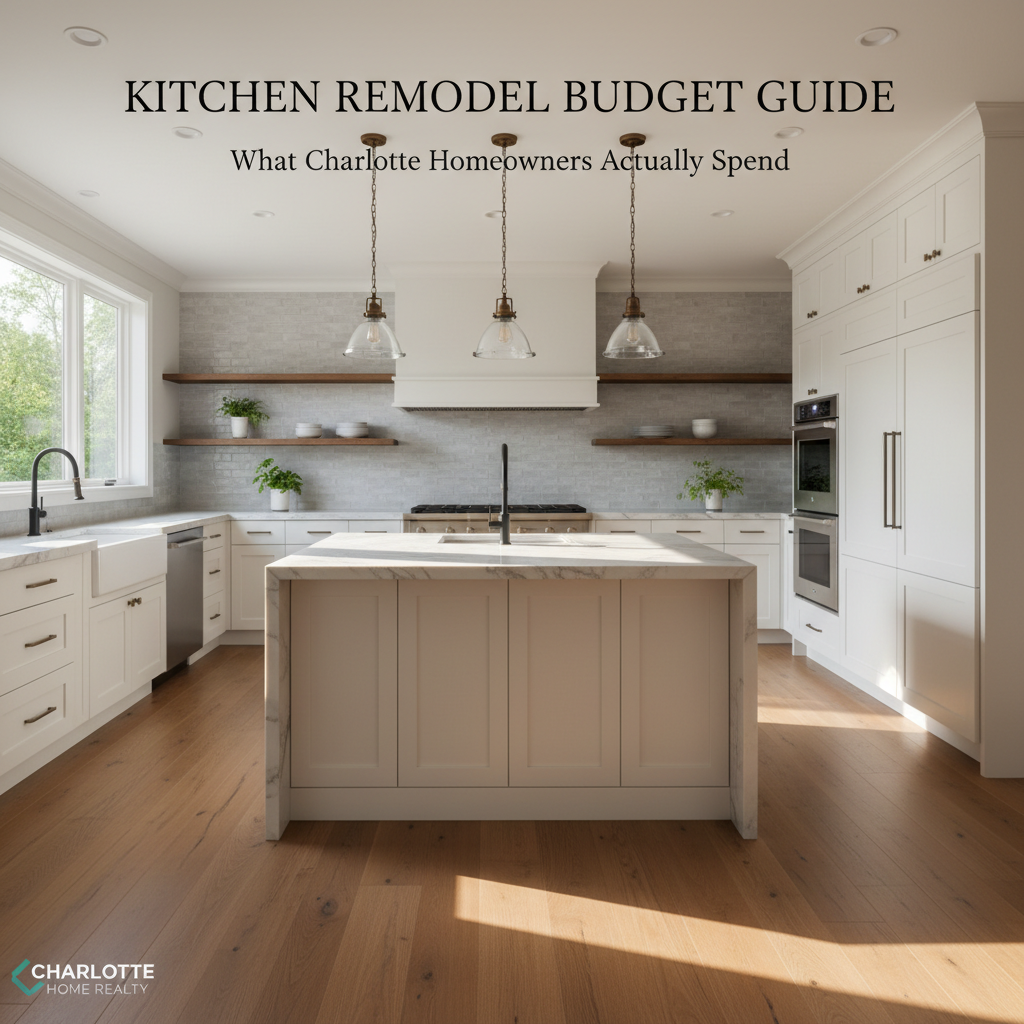
Current popular design styles in Charlotte kitchens often blend modern aesthetics with timeless Southern charm. Think of the "transitional" style, a harmonious mix of traditional and contemporary elements, which is particularly favored. This translates to shaker-style cabinets in a sophisticated paint color like Benjamin Moore's "Deep Royal" or a clean white, paired with modern hardware. Natural materials are paramount, with homeowners gravitating towards durable and aesthetically pleasing options like quartzite or marble for countertops. Many kitchens in neighborhoods like Providence Plantation or Weddington are incorporating large islands that serve as both prep space and social hubs, complete with seating and often a secondary sink or beverage station.
Smart home technology is no longer a novelty but a standard expectation in Charlotte's luxury market. This includes integrated appliances that can be controlled remotely via smartphone apps, smart lighting systems that adjust based on time of day or occupancy, and even smart faucets. For families, the integration of these technologies offers enhanced convenience and safety. Furthermore, the emphasis on indoor-outdoor living is a direct response to Charlotte's appeal as a place with a pleasant climate for much of the year. This can manifest as the incorporation of large sliding or folding doors leading to patios or decks, outdoor kitchens, or simply maximizing natural light with strategically placed windows, often featuring views of the meticulously landscaped yards common in areas like SouthPark or the Lake Norman waterfront.
Sustainability is also a growing concern. Homeowners are looking for eco-friendly materials, such as recycled glass countertops or sustainably sourced wood for cabinetry. Energy-efficient appliances and LED lighting are standard considerations. Universal design principles, aimed at making spaces accessible to people of all ages and abilities, are also gaining traction. This might mean incorporating slightly wider doorways, higher toe kicks on cabinets for easier cleaning with robotic vacuums, or planning for future needs with accessible shower designs in adjoining bathrooms. This forward-thinking approach not only enhances current comfort but also adds significant long-term value and marketability to the home, a crucial factor in Charlotte's competitive real estate landscape.
Contractor Selection & Project Management
Selecting the right contractor is perhaps the most critical decision in any Charlotte kitchen renovation. The Charlotte market includes both established luxury renovation firms and emerging specialists, each bringing different strengths to the table. Look for contractors with demonstrated experience in luxury kitchen projects, proper licensing through Mecklenburg County, comprehensive insurance coverage, and a portfolio that reflects the quality level you expect.
Effective project management separates successful renovations from stressful experiences. The best Charlotte renovation contractors provide dedicated project managers who serve as single points of contact, maintain detailed schedules, coordinate subcontractors, and ensure quality control at every phase. This professional approach, while often reflected in pricing, delivers significantly better outcomes and protects your investment.
When vetting contractors for a kitchen remodel in Charlotte, particularly for high-end projects, due diligence is paramount. Beyond checking credentials, ask for references from recent clients in similar neighborhoods or with similar project scopes. If you're considering a renovation in a historic area like Dilworth or Fourth Ward, inquire about their experience with older homes and the specific challenges they present (e.g., unique structural issues, historical preservation guidelines). Local Charlotte builders often have a deep understanding of these nuances.
A reputable Charlotte contractor will offer a detailed contract that clearly outlines the scope of work, payment schedule, timeline, and warranty information. Beware of estimates that seem too good to be true; they often indicate a lack of detail or potential shortcuts. It's also wise to understand their communication process. Will you have a dedicated project manager? How often will you receive progress updates (e.g., weekly site meetings, daily email reports)? A clear communication plan is vital for keeping the project on track and ensuring your vision is realized. For those in the Ballantyne area or other master-planned communities, consider contractors who have experience working with those specific Homeowners Associations (HOAs), as they understand the approval processes and aesthetic guidelines.
Project management extends beyond mere scheduling. It involves proactive problem-solving, managing material procurement to avoid delays (especially crucial given current supply chain fluctuations), and ensuring that all work adheres to Mecklenburg County building codes and permits. A well-managed project minimizes stress for the homeowner and helps control costs by preventing rework or unforeseen delays. Companies that utilize project management software and have established relationships with reliable subcontractors in the Charlotte area are often the most efficient and effective. Don't hesitate to visit past project sites if possible, and always trust your gut feeling about the contractor's professionalism and transparency.
Permits, Regulations & Compliance
Charlotte renovation projects must comply with Mecklenburg County building codes, which are regularly updated to reflect current safety and energy standards. Kitchen renovations typically require building permits for structural changes, electrical work, plumbing modifications, and HVAC alterations. In Charlotte's historic districts — including Dilworth, Fourth Ward, and portions of Myers Park — additional approval from the Historic District Commission may be required.
HOA requirements add another layer of compliance for renovations in Charlotte's many planned communities. Before beginning any renovation project, homeowners should review their community's architectural guidelines, submit required documentation, and obtain written approval. A knowledgeable Charlotte contractor will be familiar with these processes and can help navigate the approval timeline efficiently.
Understanding the permit process in Charlotte is crucial for a smooth renovation. For kitchen remodels involving any alteration to the home's structure, electrical system (beyond simple fixture replacement), or plumbing (moving sinks, adding dishwashers), a permit is almost always required by Mecklenburg County. This ensures the work meets safety and building standards. Neglecting to obtain the necessary permits can lead to fines, mandated removal of work, and significant issues when selling the property. Your contractor should handle the permit application process. It's generally included in their bid or charged as a pass-through cost.
For homeowners in Charlotte's historic districts, the process becomes more intricate. The Historic District Commission (HDC) has specific guidelines to preserve the architectural character of these areas. This might involve restrictions on window styles, exterior materials, or even the placement of additions. Researching your specific historic district's guidelines and engaging with the HDC early in the design phase is highly recommended. It can save considerable time and prevent costly design changes down the line.
Similarly, HOAs in communities like Piper Glen, The Palisades, or Tradition Golf Club have their own set of architectural review guidelines. These often focus on maintaining neighborhood aesthetics, including material choices, color palettes, and even the types of landscaping visible from the street. Failure to obtain HOA approval can result in fines or demands to undo completed work. A good Charlotte contractor will proactively engage with your HOA, submitting plans and ensuring compliance throughout the project. This often forms part of the project management fee, but the peace of mind and avoidance of potential conflicts are well worth the investment.
ROI & Long-Term Value
Renovation investments in Charlotte's luxury market consistently deliver strong returns, both in daily enjoyment and resale value. The Charlotte Association of REALTORS data shows that well-executed kitchen renovations in premium neighborhoods typically recoup 70-100% of investment at resale, with some categories exceeding 100% return in competitive market conditions.
The key to maximizing renovation ROI in Charlotte lies in aligning improvements with market expectations. Over-improving beyond neighborhood standards rarely delivers proportional returns, while under-improving leaves value on the table. Working with a real estate professional familiar with Charlotte's luxury market can provide valuable guidance on which kitchen improvements will deliver the strongest returns in your specific neighborhood and price point.
When considering return on investment (ROI) for a kitchen remodel, it's not just about recouping costs; it's about enhancing the everyday living experience and strategically positioning your home in the market. In Charlotte, a city with a dynamic job market and influx of new residents, well-executed renovations are highly attractive. For instance, a modern, chef-grade kitchen in a family-friendly neighborhood like Weddington or Marvin with access to top-rated schools (e.g., Marvin Ridge High School) can command a significant premium. The presence of high-end appliances, durable countertops like quartz or granite, and ample, well-designed storage are often deal-makers.
Beyond the quantifiable financial returns, the intangible benefits are substantial. For many Charlotte homeowners, the kitchen is the heart of the home, a place for family gatherings, entertaining friends, and daily routines. A thoughtfully designed and functional kitchen can dramatically improve quality of life. This psychological return, while harder to measure, is often a primary driver for undertaking a major renovation. Investing in energy-efficient appliances and sustainable materials, in line with Charlotte's growing focus on environmental consciousness, can also contribute to lower utility bills, further enhancing long-term value and appeal.
To maximize ROI, homeowners should consult with local real estate agents who specialize in their specific area (e.g., Uptown condos, Lake Norman properties, South Charlotte estates). They can provide insights into current buyer preferences and price points that could influence renovation decisions. For example, a buyer seeking a lakefront property might prioritize a kitchen designed for entertaining, with large windows showcasing the view and durable, easy-to-clean surfaces. Conversely, a family home in a top school district might benefit more from an oversized island with seating for homework and a highly functional layout. Strategic renovations that cater to the specific buyer demographic of a neighborhood, rather than simply opting for the most expensive finishes, will yield the best overall return on investment in the Charlotte market.
Frequently Asked Questions
How much does a kitchen renovation cost in Charlotte?
Kitchen renovation costs in Charlotte vary widely based on scope and materials. Moderate updates start around $50,000-$75,000, while comprehensive luxury renovations can range from $150,000 to $500,000 or more depending on complexity.
How long does a kitchen renovation take in Charlotte?
Timeline depends on scope — minor kitchen updates may take 4-8 weeks, while major renovations typically require 3-6 months. Full-scale luxury renovations can extend to 8-12 months including design and permitting phases.
Do I need permits for renovation in Charlotte?
Most renovations in Charlotte require building permits from Mecklenburg County for structural, electrical, plumbing, or HVAC work. Historic district renovations may need additional approval from the Historic District Commission.
How do I find a good renovation contractor in Charlotte?
Seek contractors with luxury renovation experience, proper Mecklenburg County licensing, comprehensive insurance, and strong references. Industry organizations like NARI and local builder associations can help identify qualified professionals.
What is the ROI of kitchen renovation in Charlotte?
Well-executed kitchen renovations in Charlotte's luxury market typically recoup 70-100% of investment at resale. Premium neighborhoods like Myers Park and SouthPark often see even higher returns for quality improvements.