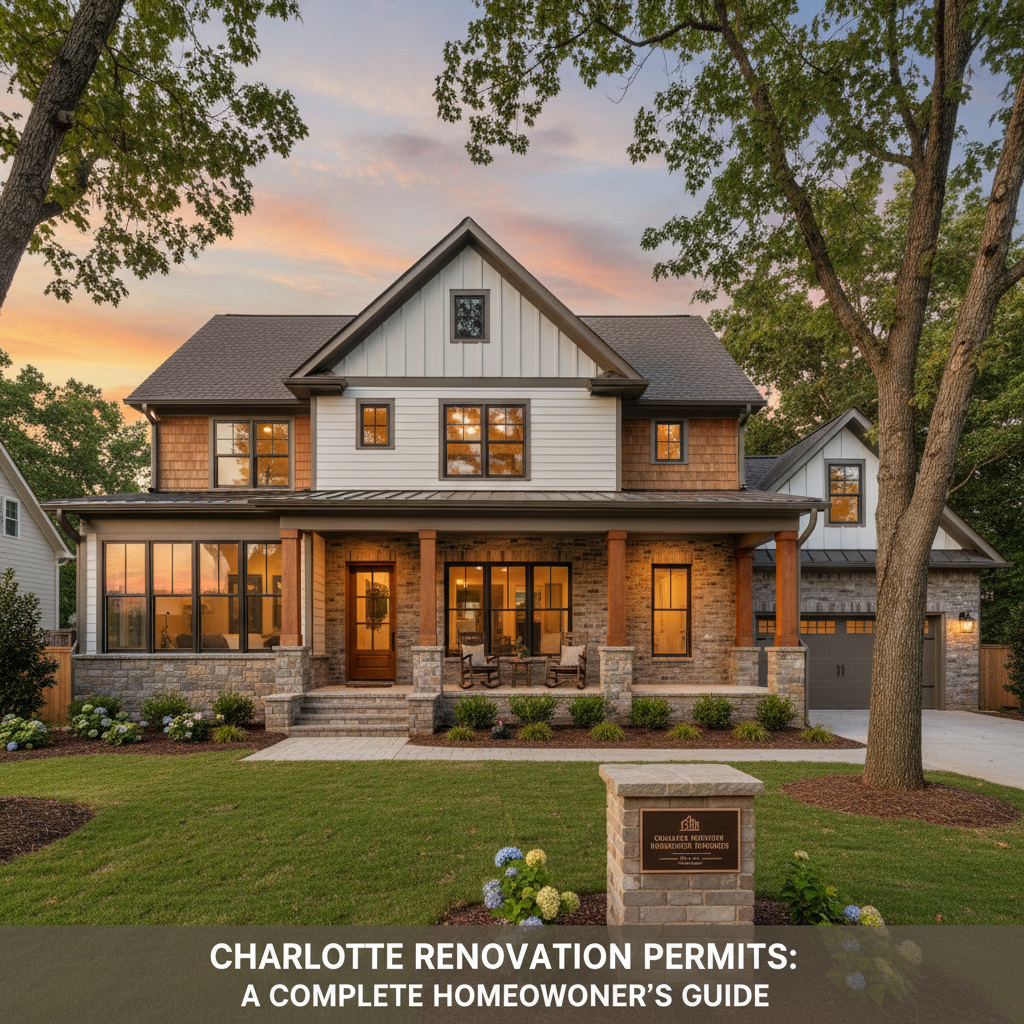
Researched Guide
Compiled from public and official sources; not based on a visit.
Charlotte Renovation Permits: A Complete Homeowner's Guide: Expert Insights
Renovation in Charlotte's luxury market requires a unique blend of vision, expertise, and meticulous planning. Whether you're undertaking a planning renovation in Myers Park, SouthPark, or the Lake Norman communities, understanding the local market dynamics, building codes, and contractor landscape is essential. Charlotte's renovation sector has matured significantly, with firms like Peters Custom Homes and other established builders offering comprehensive renovation services that rival new construction in quality and attention to detail.
The Charlotte Renovation Landscape: A Deeper Dive
Charlotte's real estate market is a dynamic tapestry, woven with historic charm and modern innovation. For homeowners considering renovations, especially those looking to enhance the luxury appeal of their property, understanding the nuances of each neighborhood is paramount. From the grand estates of Eastover and the tree-lined avenues of Myers Park to the bustling, walkable urban villages like South End and Plaza Midwood, design aesthetics and renovation priorities can differ significantly. The Queen City's growth trajectory means that properties across these diverse areas are ripe for updates that not only reflect a homeowner's personal style but also align with prevailing market demands and long-term investment potential.
The luxury segment of Charlotte's renovation market is particularly robust. Homeowners are increasingly investing in high-end finishes, state-of-the-art smart home technology, and sophisticated outdoor living spaces. This trend is fueled by Charlotte's professional class, attracted by job growth in sectors like finance, technology, and healthcare, who seek homes that offer both comfort and class. When planning a renovation, it's crucial to consider how your project will integrate with the existing character of your neighborhood, whether it's preserving the historic integrity of a Dilworth bungalow or adding a modern extension to a SouthPark residence.
Navigating Charlotte's Renovation Permit Process
For any significant renovation project in Charlotte, understanding and navigating the permit process is a non-negotiable step. Mecklenburg County's Code Enforcement department oversees building permits, ensuring that all construction adheres to safety codes, zoning regulations, and energy efficiency standards. The specific permits required will depend on the scope of your renovation. Simple cosmetic updates might not require a permit, but any work involving structural changes, electrical systems, plumbing, HVAC, or exterior modifications will necessitate one. Failing to obtain the necessary permits can lead to costly fines, project delays, and difficulties when selling your property down the line.
The application process typically involves submitting detailed plans and specifications to the county. For larger projects, this might include architectural drawings, structural engineering reports, and site plans. The review process ensures that the proposed work meets all local ordinances. It's highly advisable to consult with a reputable Charlotte contractor or architect early in the planning phase, as they are well-versed in these requirements and can help prepare the necessary documentation. Additionally, if your property is located in a designated historic district, such as portions of Olde Myers Park or the NoDa Artist District, you will likely need to obtain approval from the Charlotte-Mecklenburg Historic Landmarks Commission in addition to the standard building permits.
Key Permit Considerations for Charlotte Homeowners
- Scope of Work: Clearly define the extent of your renovation. Minor repairs often don't need permits, but structural, electrical, or plumbing work almost always does.
- Zoning Compliance: Ensure your renovation plans comply with the zoning regulations for your specific Charlotte neighborhood. This is especially important for additions or significant exterior changes.
- Historic Districts: If your home is in a historic district, research the specific review and approval process with the Historic Landmarks Commission.
- Homeowners Associations (HOAs): Many Charlotte communities, including Providence Plantation and Ballantyne Country Club, have HOAs with their own architectural review boards. Obtain HOA approval before applying for county permits.
- Licensed Professionals: Using licensed and insured contractors is not only best practice but often a requirement for permit approval.
Cost Analysis & Budgeting
Understanding renovation costs in Charlotte requires looking beyond national averages. The Charlotte luxury market commands premium pricing for materials and labor, reflecting the quality expectations of discerning homeowners. Planning renovation projects in Charlotte typically range from moderate updates starting around $50,000 to comprehensive transformations exceeding $500,000, depending on scope, materials, and structural complexity.
Smart budgeting for Charlotte planning renovations includes allocating 15-20% for contingencies — unexpected discoveries are common, especially in older homes throughout Dilworth, Myers Park, and Elizabeth. Working with experienced Charlotte contractors who provide detailed, itemized estimates helps homeowners make informed decisions and avoid costly surprises during construction.
Deepening Your Renovation Budget in Charlotte
When budgeting for a renovation in Charlotte, consider the significant price variations across different neighborhoods and the specific demands of the luxury market. High-end finishes, bespoke cabinetry from local artisans like those found in the NoDa gallery scene, and premium appliances can substantially increase costs. For instance, a kitchen renovation in a historic Myers Park home might involve custom millwork to match original architectural details, while a South End condo renovation might focus on maximizing limited space with sleek, modern integrated appliances and smart storage solutions.
Beyond the visible costs, remember to factor in less obvious expenses such as permit fees, architect or designer retainers, structural engineering reports if needed, and potential landscaping updates to complement your newly renovated home. For comprehensive renovations, especially those involving mold remediation or foundation repairs – common in some of Charlotte's older residential areas – these contingency funds become invaluable. A detailed cost breakdown from your contractor should cover labor, materials, permits, and anticipated timelines. Always ask for itemized quotes and compare at least three reputable Charlotte-based firms to ensure you're getting competitive pricing for the quality of work proposed.
Design Trends & Inspiration
Charlotte's planning renovation trends reflect the city's position as a sophisticated Southern metropolis. Current design preferences lean toward clean lines, warm natural materials, and spaces that seamlessly connect indoor and outdoor living — a reflection of Charlotte's favorable climate and lifestyle-oriented culture. The influence of Charlotte's thriving culinary scene, art community, and active outdoor lifestyle shapes how homeowners approach renovation design.
Local designers and architects report growing demand for sustainable materials, smart home integration, and universal design elements that enhance both livability and long-term home value. Charlotte homeowners increasingly view renovations as opportunities to create personalized spaces that support their specific lifestyles while incorporating the latest in building technology and design innovation.
Embracing Charlotte's Design Ethos in Renovations
Charlotte's design scene is increasingly influenced by its surrounding natural beauty and its burgeoning reputation as a hub for innovation. Homeowners are integrating elements that celebrate the Carolina outdoors, with expanded patios, screened porches, and large windows offering views of mature trees or meticulously landscaped gardens, common in areas like Myers Park and Eastover. Indoor spaces are embracing warmth and texture, with a rise in the use of natural wood finishes, stone accents, and comfortable, plush textiles. This trend complements the Southern aesthetic while keeping the design feeling current and sophisticated.
The integration of smart home technology is no longer a luxury but an expectation in Charlotte's high-end renovations. Homeowners are seeking seamless control over lighting, climate, security, and entertainment systems. Furthermore, there's a growing emphasis on creating functional, multi-purpose spaces. This could mean a chef-inspired kitchen that also serves as a hub for family gatherings, a dedicated home office with built-in soundproofing, or a flexible media room. For families with aging parents or those planning for the future, universal design principles – such as wider doorways, no-step entries, and accessible bathrooms – are also becoming a key consideration, enhancing both usability and resale appeal. Inspiration can be found locally through visits to design centers in South End or by attending events hosted by the Mint Museum.
Contractor Selection & Project Management
Selecting the right contractor is perhaps the most critical decision in any Charlotte planning renovation. The Charlotte market includes both established luxury renovation firms and emerging specialists, each bringing different strengths to the table. Look for contractors with demonstrated experience in luxury planning projects, proper licensing through Mecklenburg County, comprehensive insurance coverage, and a portfolio that reflects the quality level you expect.
Effective project management separates successful renovations from stressful experiences. The best Charlotte renovation contractors provide dedicated project managers who serve as single points of contact, maintain detailed schedules, coordinate subcontractors, and ensure quality control at every phase. This professional approach, while often reflected in pricing, delivers significantly better outcomes and protects your investment.
Choosing Your Charlotte Renovation Partner Wisely
The process of selecting a contractor in Charlotte involves more than just getting the lowest bid. It's about finding a partner who understands your vision, respects your budget, and can execute the project with precision and professionalism. Start by seeking recommendations from trusted sources – architects, interior designers, real estate agents specializing in the Charlotte luxury market, or even neighbors who have recently completed successful renovations. When interviewing potential contractors, ask for references and follow up with past clients. Visit some of their completed projects if possible to assess the quality of their work firsthand.
Beyond verifying credentials and checking references, gauge your rapport with the contractor. Clear, consistent communication is vital throughout a renovation. A reputable Charlotte contractor will have a well-defined project management process. This typically includes a detailed project schedule, regular site meetings, transparent invoicing, and a system for promptly addressing any issues that arise. Consider contractors who offer a warranty on their work, providing an added layer of security for your investment. For larger projects, especially those impacting multiple areas of your home or involving complex structural changes, a dedicated project manager is invaluable for keeping everything on track and minimizing disruption to your daily life.
Permits, Regulations & Compliance
Charlotte renovation projects must comply with Mecklenburg County building codes, which are regularly updated to reflect current safety and energy standards. Planning renovations typically require building permits for structural changes, electrical work, plumbing modifications, and HVAC alterations. In Charlotte's historic districts — including Dilworth, Fourth Ward, and portions of Myers Park — additional approval from the Historic District Commission may be required.
HOA requirements add another layer of compliance for renovations in Charlotte's many planned communities. Before beginning any renovation project, homeowners should review their community's architectural guidelines, submit required documentation, and obtain written approval. A knowledgeable Charlotte contractor will be familiar with these processes and can help navigate the approval timeline efficiently.
Navigating Charlotte's Regulatory Maze
The permit process in Charlotte, managed by Mecklenburg County, is designed to ensure safety and compliance. Before any major renovation work begins, verify which permits are necessary. This often includes building permits, electrical permits, plumbing permits, and mechanical (HVAC) permits. The county website provides extensive resources, but working with a contractor who has strong relationships with the permitting office can significantly streamline the process. They understand the documentation required, the inspection schedules, and how to address any potential code interpretations.
For homes in Charlotte's historic neighborhoods, such as Wilmore or the Elizabeth Heights Historic District, expect an additional layer of scrutiny. The Historic District Commission aims to preserve the architectural character of these areas. Renovations impacting the exterior of the home usually require their approval, which can involve detailed design reviews. Similarly, homeowners in communities governed by HOAs, like The Tradition Golf Club or Piper Glen, must adhere to specific aesthetic guidelines. This often includes material choices, color palettes, and architectural styles. It’s crucial to obtain HOA approval in writing before starting any renovation work to avoid disputes or the need for costly rework.
ROI & Long-Term Value
Renovation investments in Charlotte's luxury market consistently deliver strong returns, both in daily enjoyment and resale value. The Charlotte Association of REALTORS data shows that well-executed planning renovations in premium neighborhoods typically recoup 70-100% of investment at resale, with some categories exceeding 100% return in competitive market conditions.
The key to maximizing renovation ROI in Charlotte lies in aligning improvements with market expectations. Over-improving beyond neighborhood standards rarely delivers proportional returns, while under-improving leaves value on the table. Working with a real estate professional familiar with Charlotte's luxury market can provide valuable guidance on which planning improvements will deliver the strongest returns in your specific neighborhood and price point.
Maximizing Your Renovation Investment in Charlotte
When considering renovations in Charlotte, think strategically about return on investment (ROI). While personal enjoyment is a primary driver, smart homeowners also focus on enhancements that will appreciate in value. Kitchen and bathroom remodels consistently top the list for ROI. A well-designed, high-quality kitchen in a neighborhood like Eastover or the East Charlotte corridor can significantly boost a home's appeal and market value. Similarly, modernizing bathrooms with premium fixtures and finishes offers substantial returns.
Beyond these core areas, consider upgrades that align with Charlotte's lifestyle. Energy-efficient upgrades, such as new windows, improved insulation, and high-efficiency HVAC systems, not only reduce utility bills but also appeal to value-conscious buyers. Outdoor living spaces – including well-appointed decks, patios, or screened porches – are highly sought after in Charlotte's climate and can command a premium. For those in proximity to Lake Norman or with waterfront properties, maximizing water views and accessibility through renovations can yield exceptional returns. Consulting with a local real estate agent during the planning phase can provide invaluable insights into which renovations will resonate most with prospective buyers in your specific area and price bracket.
Frequently Asked Questions
How much does a planning renovation cost in Charlotte?
Planning renovation costs in Charlotte vary widely based on scope and materials. Moderate updates start around $50,000-$75,000, while comprehensive luxury renovations can range from $150,000 to $500,000 or more depending on complexity.
How long does a planning renovation take in Charlotte?
Timeline depends on scope — minor planning updates may take 4-8 weeks, while major renovations typically require 3-6 months. Full-scale luxury renovations can extend to 8-12 months including design and permitting phases.
Do I need permits for renovation in Charlotte?
Most renovations in Charlotte require building permits from Mecklenburg County for structural, electrical, plumbing, or HVAC work. Historic district renovations may need additional approval from the Historic District Commission.
How do I find a good renovation contractor in Charlotte?
Seek contractors with luxury renovation experience, proper Mecklenburg County licensing, comprehensive insurance, and strong references. Industry organizations like NARI and local builder associations can help identify qualified professionals.
What is the ROI of planning renovation in Charlotte?
Well-executed planning renovations in Charlotte's luxury market typically recoup 70-100% of investment at resale. Premium neighborhoods like Myers Park and SouthPark often see even higher returns for quality improvements.