Researched Guide
Compiled from public and official sources; not based on a visit.
Statement Chandelier Guide for Charlotte Luxury Homes: A Comprehensive Guide
In the world of Charlotte luxury interior design, lighting represents one of the most impactful elements of any high-end home. Whether you're building a custom estate in Myers Park or renovating a classic home in Eastover, the choices you make in lighting define the character and quality of your living spaces. Charlotte's design community, including firms like Laura Park Designs and celebrated local artisans, continues to push boundaries in creating extraordinary residential interiors.
A statement chandelier is more than just a light fixture; it's a sculptural element, a conversation starter, and a focal point that can elevate any room to an artistic masterpiece. For discerning homeowners in Charlotte, NC, investing in a statement chandelier is an opportunity to imbue their luxury residences with a unique personality and unparalleled elegance. From the grand foyers of Dilworth mansions to the chic, modern penthouses overlooking Uptown, a well-chosen chandelier sets the tone and reflects the homeowner's sophisticated taste.
Current Trends in Charlotte
Charlotte's luxury market is experiencing a remarkable evolution in lighting preferences. Homeowners are moving toward designs that balance timeless elegance with contemporary innovation. The influence of Charlotte's sophisticated cultural scene — from the Mint Museum to the Bechtler — can be seen in the artistic sensibility that permeates local interior design. Natural materials, warm metallic accents, and custom artisan elements are defining the current aesthetic, creating spaces that feel both curated and deeply personal.
Local designers report that Charlotte homeowners increasingly seek interiors that tell a story. Gone are the days of cookie-cutter luxury; today's discerning homeowners want spaces that reflect their individual tastes while maintaining the gracious southern hospitality Charlotte is known for. This shift has created exciting opportunities for innovation in lighting, with designers experimenting with unexpected materials, bold proportions, and bespoke details that set Charlotte homes apart.
One significant trend is the embrace of organic and natural forms. Think chandeliers inspired by coral reefs, branches, or cascading water, often crafted from materials like hand-blown glass, reclaimed wood, or intricately woven metal. These pieces bring an element of the outdoors in, a nod to Charlotte's abundant green spaces and its proximity to the scenic Blue Ridge Mountains. This trend is particularly popular in neighborhoods like Eastover and Selwyn Park, where classic architecture often benefits from a touch of natural artistry.
Another burgeoning trend is the rise of the "living chandelier." These are not literal plant installations but fixtures that incorporate elements of living design, such as suspended terrariums or subtle integration with climbing plants, often found in avant-garde designs by local horticulturalists and designers. More commonly, "living" refers to the dynamic interplay of light and shadow these fixtures create. Oversized, multi-tiered designs, particularly those featuring warm, dimmable LED lighting, are increasingly sought after. These can dramatically transform spaces like formal dining rooms in SouthPark estates or grand living areas in new high-rises, creating an ambience that shifts from dramatic to intimate with the turn of a dimmer switch.
The influence of architectural salvage and industrial-chic aesthetics also continues to resonate. While softer, more organic forms are gaining ground, custom pieces made from distressed metals, antique gears, or repurposed industrial components are still a strong presence, especially in Charlotte's burgeoning brewery districts and loft conversions in areas like NoDa. These fixtures add a touch of rugged character and a strong sense of history, appealing to homeowners who appreciate a more eclectic design philosophy.
Design Principles & Best Practices
The foundation of exceptional lighting lies in understanding proportion, balance, and the interplay between form and function. In Charlotte's luxury market, this means considering how each element relates to the architectural context of the home, the regional climate, and the lifestyle of the homeowner. The best Charlotte designers begin every project with a thorough analysis of natural light patterns, traffic flow, and the intended use of each space.
Material selection is paramount in luxury lighting. Charlotte homes benefit from access to exceptional showrooms and trade resources, including the Charlotte Design District and numerous specialty suppliers. Working with reputable builders like Peters Custom Homes ensures that design vision translates seamlessly into reality, with the craftsmanship and attention to detail that luxury interiors demand. The integration of locally sourced materials alongside imported specialty items creates a distinctive Charlotte aesthetic that honors both regional character and global design excellence.
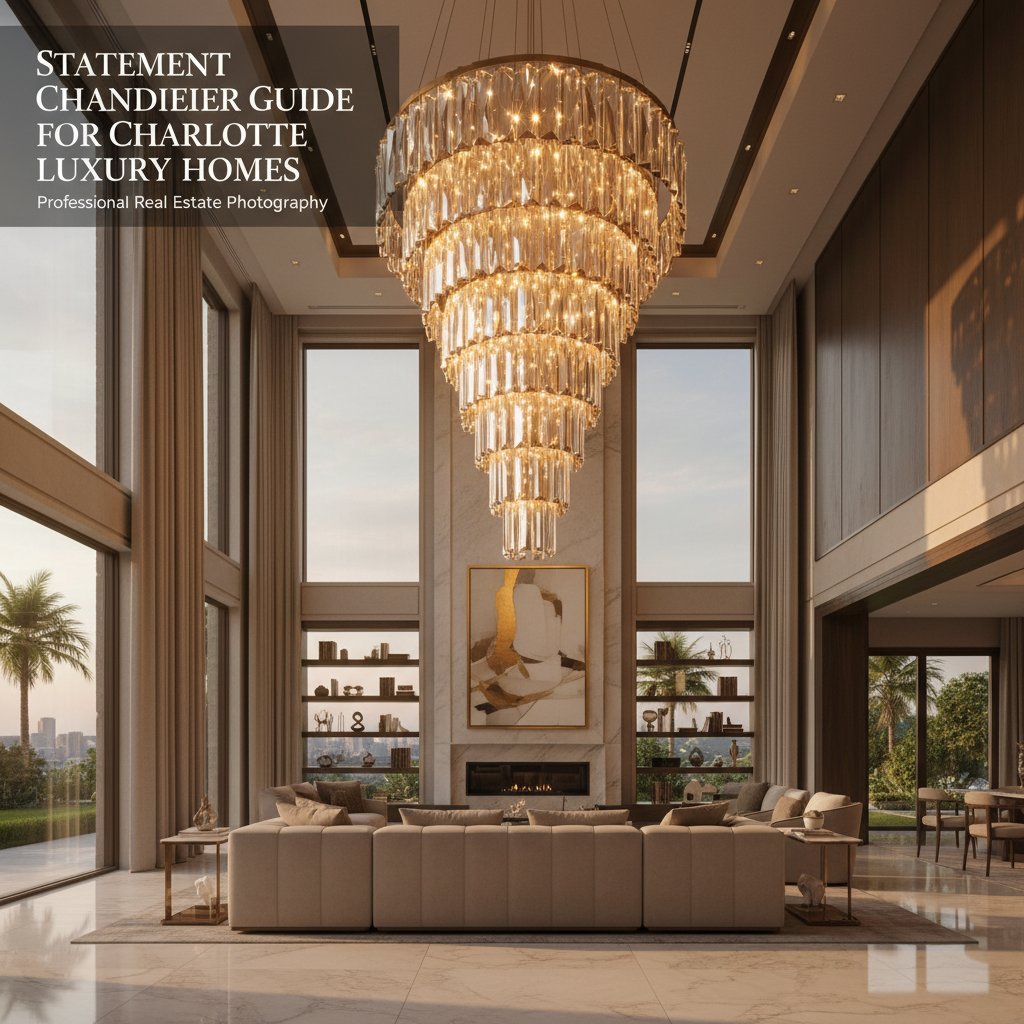
When selecting a statement chandelier, proportionality is key. A chandelier that is too small will look lost in a grand room, while one that is too large can overwhelm the space. A general rule of thumb for dining rooms is that the diameter of the chandelier should be approximately half the width of the dining table. For living rooms or foyers, consider the room's dimensions and ceiling height. A common guideline for a rectangular room is to add the length and width of the room in feet; this sum, in inches, approximates the ideal diameter of the chandelier. For a grand, double-height foyer common in many larger homes in neighborhoods like Cotswold or Providence Country Club, a much larger and more dramatic fixture might be appropriate, potentially extending down significantly from the ceiling.
The scale and drop length of a chandelier are also critical. In a standard 8-foot ceiling room, the bottom of the chandelier should typically be at least 7 feet from the floor. In rooms with higher ceilings, such as the vaulted spaces found in many custom-built homes around Lake Norman, you have more flexibility to hang a chandelier lower, allowing it to become a more dominant visual element. Always consult with your designer or builder regarding the specific ceiling height and desired visual impact.
Consider the light quality and distribution. A statement chandelier should not only be visually striking but also provide appropriate illumination. Dimmers are essential for controlling mood and functionality. While many modern chandeliers feature integrated LED lighting, it's crucial to understand the color temperature (warm white to cool white) and lumen output to ensure it complements the room's purpose. For a dining room, you might want warmer, more ambient light, while a kitchen island might benefit from brighter, cooler task lighting.
Functionality also extends to maintenance. Access for cleaning and bulb replacement should be factored in, especially for very large or complex fixtures. Local Charlotte lighting showrooms often have installation and maintenance specialists who can advise on these practicalities.
Material Selection & Quality
For Charlotte luxury homes, material selection in lighting requires a discerning eye and deep knowledge of available options. Natural materials — stone, wood, metal, and textiles — form the backbone of timeless luxury design. The Charlotte climate, with its humid summers and mild winters, influences material choices significantly. Designers must select finishes and materials that perform beautifully in local conditions while maintaining their luxury appearance for decades.
Premium materials for Charlotte interiors include domestic and imported hardwoods, natural stone from quarries worldwide, hand-crafted metalwork, and artisan textiles. The investment in quality materials pays dividends in longevity, aesthetic impact, and ultimately in home value. Charlotte's luxury real estate market consistently rewards homes with exceptional interior finishes, making material selection not just an aesthetic choice but a sound investment strategy.
Key materials to consider for statement chandeliers include:
- Metals: Brass (polished, unlacquered, brushed, antique), bronze, nickel (polished, brushed, satin), iron (wrought, cast), and patinated metals are popular. Unlacquered brass, which develops a beautiful patina over time, is a favored choice for its warmth and evolving character, adapting well to Charlotte's humid climate.
- Glass: Hand-blown glass, crystal (both true and high-quality lead-free alternatives), frosted glass, and colored glass offer a wide spectrum of visual effects. Consider the nuance of light refraction and diffusion that different glass types provide. Murano glass, for instance, brings an artistic Italian flair, while ribbed or seeded glass can add texture and visual interest.
- Natural Elements: Wood, stone (marble, onyx), capiz shells, feathers, and woven natural fibers are increasingly incorporated to add organic texture and warmth. These materials can lend a sophisticated, earthy feel, perfect for homes aiming for a transitional or modern farmhouse aesthetic, common in more sprawling properties outside the immediate city center, such as those in Weddington or Fort Mill.
- Acrylic: While not a traditional luxury material, high-quality, clear acrylic can create stunning, almost invisible structures for modern chandeliers, making the light source itself seem to float. This is often seen in more contemporary homes in SouthPark and Uptown.
- Ceramics and Porcelain: Hand-molded ceramic elements can add a unique, artisanal touch, often with a matte or textured finish, bringing a grounded, sculptural quality.
When sourcing materials, Charlotte homeowners have access to a growing number of local artisans and galleries, as well as national manufacturers. The longevity and maintenance of materials are also critical. For instance, wrought iron may require specific protective coatings in a humid environment, while unlacquered brass will naturally tarnish, which is often a desired effect but should be understood. Quality construction is paramount; a poorly assembled chandelier, regardless of material, will not stand the test of time or command the luxury aesthetic expected in Charlotte's high-end market.
Working with Charlotte Design Professionals
Charlotte's interior design community includes some of the Southeast's most talented professionals, many of whom specialize in luxury residential projects. When selecting a designer for your lighting project, look for professionals with deep experience in Charlotte's unique market — those who understand local building codes, have established relationships with premium suppliers, and possess the creative vision to elevate your home beyond the ordinary.
The best design outcomes result from collaborative relationships between homeowners, designers, and builders. In Charlotte, firms that offer full-service design — from concept development through installation — deliver the most cohesive results. This integrated approach ensures that every element of your lighting works harmoniously within the broader context of your home's architecture and your family's lifestyle.
When engaging a designer for statement lighting, consider their portfolio and experience with similar projects. Do they have a gallery of stunning foyers, dramatic dining rooms, or elegantly lit living spaces? Ask for references from previous clients, particularly those who have undertaken custom lighting projects. Understand their design process: how do they collaborate with clients, source fixtures, and oversee installation?
Charlotte-based lighting showrooms, such as Circa Lighting or Ferguson Bath, Kitchen & Lighting Gallery, are excellent resources. Many have in-house designers or lighting specialists who can work directly with homeowners and their interior designers. These professionals can guide you through vast selections, explain the technical specifications of fixtures, and even create custom lighting plans. Their deep knowledge of product lines and brands, along with their understanding of local installation challenges, makes them invaluable partners.
Builders and architects in Charlotte also play a crucial role. For new custom homes, the electrical plans and the integration of lighting are often discussed early in the design phase. Collaborating with architects like the team at Redline Design Group or custom home builders known for their attention to detail in neighborhoods like Lake Forest or Regent Park ensures that your statement chandelier is not only aesthetically suitable but also structurally and electrically sound. They can advise on ceiling support, wiring requirements, and the integration of smart home lighting systems, which are increasingly popular in Charlotte's luxury market.
Investment & Value Considerations
Luxury lighting in Charlotte represents a significant investment, but one that consistently delivers returns both in daily enjoyment and property value. The Charlotte luxury real estate market, with homes ranging from $1.5 million to $10 million and beyond, places extraordinary value on interior quality. Buyers in neighborhoods like Myers Park, SouthPark, and the Lake Norman communities expect impeccable interiors, making design quality a critical factor in resale value.
Budget allocation for luxury lighting varies widely depending on scope and material selection, but Charlotte designers generally recommend investing in the elements you interact with daily — surfaces you touch, fixtures you use, and spaces where you spend the most time. This prioritization approach ensures maximum impact while maintaining budgetary discipline, even in the most ambitious projects.
A custom-designed or high-end designer chandelier can range from $5,000 for a smaller, artisanal piece to upwards of $50,000 or even $100,000+ for large-scale, elaborate installations featuring rare materials or extensive handcraftsmanship, particularly those found in bespoke estates. The installation costs should also be factored in, especially for complex fixtures requiring specialized electrical work or structural reinforcements.
On average, statement chandeliers in Charlotte's luxury homes often represent 5-10% of the total interior design budget for a high-end renovation or new construction. This investment is justified by the dramatic impact these fixtures have. A well-chosen statement chandelier can become a signature element of your home, enhancing its perceived value and marketability. Properties in desirable school districts, such as those zoned for Charlotte Mecklenburg Schools' top-rated secondary schools like Myers Park High School or Ardrey Kell High School, often feature homes with exceptional interior design, including statement lighting, which commands a premium price.
Buyers in the current Charlotte market are sophisticated and appreciate quality craftsmanship and unique design elements. A truly exceptional chandelier can be a significant selling point, distinguishing a home from others in its price range. For example, a hand-blown glass chandelier from a renowned designer might attract buyers who prioritize artistic expression, while a grand, multi-tiered crystal fixture could appeal to those seeking classic opulence. The longevity and timelessness of the chosen style also play a role; while trends are important, investing in a classic, well-executed design will hold its value better over time.
The Art of Illumination: Beyond the Chandelier
While statement chandeliers are undoubtedly showstoppers, a comprehensive luxury lighting strategy for your Charlotte home involves a layered approach. Ambient, task, and accent lighting work in concert to create a fully functional and aesthetically pleasing environment. Consider how your statement chandelier integrates with other lighting elements:
- Ambient Lighting: This is the general illumination of a room, typically provided by recessed lighting, wall sconces, or the chandelier itself. Smart systems allow for gradual dimming and changes in color temperature to suit the time of day or occasion.
- Task Lighting: Focused light for specific activities, such as reading lamps beside a chair in a Dilworth living room, pendant lights over a kitchen island in a modern Myers Park home, or desk lamps in a home office.
- Accent Lighting: Used to highlight architectural features, artwork, or collections. This can include spotlights, track lighting, or picture lights, adding depth and drama to your interior décor.
The interplay between these lighting layers, orchestrated by a skilled designer, can transform a house into a luminous sanctuary. Even the most spectacular chandelier needs context to shine its brightest. In Charlotte, where outdoor living is a significant part of the lifestyle, consider how interior lighting transitions to exterior spaces, illuminating patios, gardens, and entryways to create a cohesive and welcoming atmosphere.
Conclusion: Illuminating Your Charlotte Lifestyle
A statement chandelier is a powerful tool in the arsenal of luxury interior design. For Charlotte homeowners, it's an opportunity to express personal style, enhance architectural beauty, and create truly memorable living spaces. By understanding current trends, adhering to sound design principles, selecting the finest materials, and collaborating with experienced local professionals, you can choose a chandelier that not only illuminates your home but also amplifies your Charlotte lifestyle. From the grand interiors of historic neighborhoods to the sleek designs of modern Uptown residences, a well-chosen statement chandelier is an investment in beauty, comfort, and enduring value.
Frequently Asked Questions
What are the top lighting trends in Charlotte luxury homes?
Charlotte's luxury market favors natural materials, warm metallics, custom artisan elements, and designs that balance timeless elegance with contemporary innovation. Local designers are creating spaces that reflect individual personality while maintaining southern sophistication.
How much does luxury lighting cost in Charlotte?
Costs vary significantly based on materials, scope, and customization. Charlotte luxury lighting projects typically range from $50,000 to $300,000 or more, depending on the size and complexity of the project.
Which Charlotte neighborhoods have the best interior design?
Myers Park, Eastover, SouthPark, and the Lake Norman communities consistently showcase the most sophisticated interior design in the Charlotte market, with homes featuring custom millwork, imported materials, and designer furnishings.
How do I find a luxury interior designer in Charlotte?
Look for designers with portfolios that match your aesthetic, membership in organizations like ASID, and experience with Charlotte's luxury market. Personal referrals, design showroom recommendations, and builder partnerships are excellent starting points.
What materials work best for Charlotte's climate?
Charlotte's humid subtropical climate favors materials that resist moisture and temperature fluctuations — engineered hardwoods, natural stone, moisture-resistant finishes, and UV-stable fabrics perform exceptionally well in local homes.