Researched Guide
Compiled from public and official sources; not based on a visit.
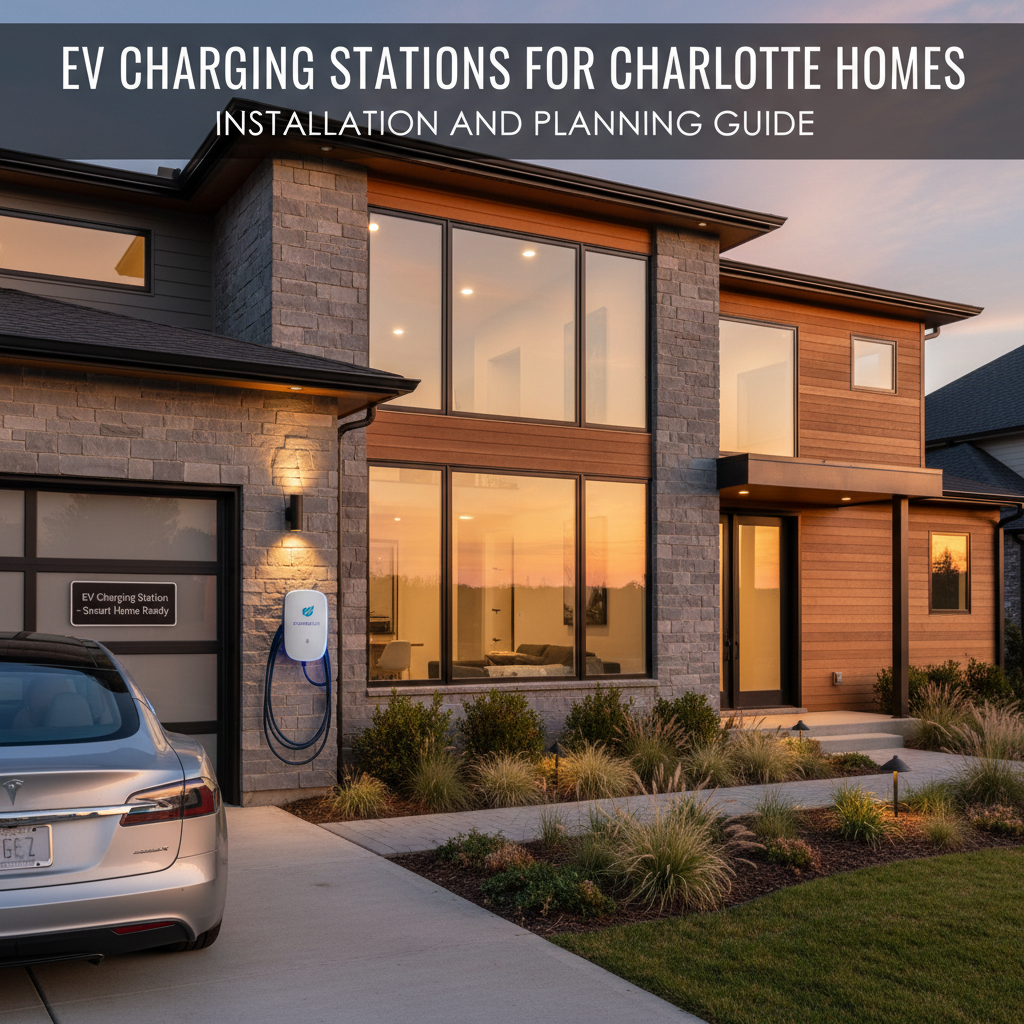
EV Charging Stations for Charlotte Homes: Installation and Planning Guide
The smart home revolution has transformed how Charlotte residents interact with their living spaces. As the Queen City continues to attract tech-savvy professionals and luxury homebuyers, the demand for intelligent home systems has surged. EV Charging Stations for Charlotte Homes represents one of the most impactful upgrades a homeowner can make, combining convenience, efficiency, and enhanced property value. Particularly in affluent areas like South Charlotte, with new developments in Weddington and Waxhaw, and established luxury enclaves such as Myers Park and Eastover, homeowners are seeking ways to future-proof their properties and align with an eco-conscious lifestyle.
Charlotte's unique climate—with hot, humid summers and mild winters—creates specific demands that smart technology addresses exceptionally well. Modern systems adapt to seasonal changes automatically, learning household patterns and optimizing performance without constant manual adjustment. For EV charging, this meansSmart charging solutions can adjust to avoid peak electricity demand hours, especially critical during hot summer afternoons when HVAC systems are working overtime, potentially impacting charging costs and grid stability.
Understanding the Technology
Today's energy management solutions have evolved far beyond basic programmable devices. Advanced systems leverage artificial intelligence, machine learning, and IoT connectivity to create truly responsive living environments. These technologies communicate with each other through standardized protocols like Matter, Zigbee, and Z-Wave, ensuring reliability and cross-brand compatibility. This inter-connectivity is crucial for integrating EV charging seamlessly with other home systems, such as solar power generation or smart thermostats, common features in high-performance homes in areas like Ballantyne and Lake Norman.
The foundation of any smart system is a robust home network. Charlotte homes, particularly larger residences in neighborhoods like Myers Park, Ballantyne, and Lake Norman, require enterprise-grade networking infrastructure to support dozens of connected devices without performance degradation. For EV charging specifically, a reliable network ensures uninterrupted communication with the vehicle and charging station, enabling features like remote monitoring, scheduled charging, and software updates. In larger estates, consider mesh Wi-Fi systems or dedicated access points to ensure robust coverage throughout the property, including detached garages which are prevalent in many Charlotte luxury homes.
Cloud-based platforms provide remote access and monitoring capabilities, allowing homeowners to manage their systems from anywhere. However, the best installations also include local processing to ensure continued operation during internet outages—a practical consideration during Charlotte's occasional summer storms. For EV charging, this means your car can still charge even if your internet connection is down, preventing disruptions to your daily commute, a non-negotiable for busy professionals in uptown Charlotte or those commuting from surrounding areas like Huntersville.
The Importance of EV Charger Types
Understanding the different types of EV chargers is the first step in planning for your Charlotte home. Broadly, there are three levels:
- Level 1 Chargers: These utilize a standard 120-volt household outlet and come with most electric vehicles. They are the slowest option, typically adding 3-5 miles of range per hour, making them best suited for plug-in hybrid vehicles or for homeowners who drive very short distances or can charge overnight for extended periods. While simple, they are often insufficient for fully electric vehicles in a fast-paced Charlotte lifestyle.
- Level 2 Chargers: These are the most common choice for home installations. They use a 240-volt outlet, similar to what an electric range or clothes dryer uses, and can add 20-60 miles of range per hour. This significantly reduces charging time, making it practical for daily use by a fully electric vehicle. Many electricians in Charlotte specialize in installing these, ensuring they are up to code and safely integrated into your home's electrical panel.
- DC Fast Chargers (Level 3): While becoming more prevalent in public charging stations across Charlotte (e.g., near SouthPark Mall or along major I-77 corridors), these are generally not practical or cost-effective for residential installation due to their high power requirements, specialized infrastructure, and substantial cost (often tens of thousands of dollars).
Smart Charging Features for Charlotte Homes
Beyond basic charging, smart EV chargers offer significant advantages for Charlotte homeowners:
- Scheduled Charging: Program your charger to operate during off-peak electricity hours (typically late at night) when rates are lower, saving money. This is particularly beneficial as Charlotte's utility provider, Duke Energy, may offer time-of-use electricity plans.
- Remote Monitoring and Control: Through a smartphone app, you can start, stop, and monitor charging sessions from anywhere. This is essential for busy families or those who travel frequently.
- Energy Usage Tracking: Smart chargers provide detailed reports on energy consumption, helping you understand your charging habits and costs.
- Integration with Home Energy Systems: Advanced smart chargers can communicate with solar panels and home battery storage systems. This allows you to prioritize charging your EV with excess solar power, further reducing your electricity bills and carbon footprint.
- Load Balancing: In homes with multiple high-demand appliances (like electric ovens or HVAC systems), smart chargers can help manage the overall electrical load to prevent tripping breakers.
Key Features and Benefits
Modern energy management technology delivers measurable benefits across multiple dimensions. Energy savings typically range from 15-30% depending on the existing infrastructure and usage patterns. Convenience improvements reduce daily friction points, while security enhancements provide peace of mind for families and frequent travelers. For EV charging, the benefits are even more pronounced: immediate access to refueling at home, significant cost savings over public charging or gasoline, and reduced environmental impact. Homes equipped with EV charging stations are increasingly attractive to buyers in Charlotte's competitive market, especially those looking for sustainability features.
Integration is where the real magic happens. When lighting, climate, security, and entertainment systems communicate seamlessly, the home anticipates needs rather than simply responding to commands. Morning routines, departure sequences, and bedtime protocols can all be automated to match each family member's preferences. Imagine your EV charging automatically pausing if your smart home detects a power surge or if solar production drops unexpectedly. This level of interconnectedness elevates the living experience in Charlotte's premiere neighborhoods.
The team at Peters Team Realty, real estate experts guiding Charlotte luxury home buyers, emphasizes the importance of designing systems that are both powerful and intuitive. The most sophisticated technology fails if family members find it frustrating to use. Thoughtful interface design—whether through touchscreens, voice control, or smartphone apps—ensures that everyone in the household can enjoy the benefits. This applies directly to EV charging, where a user-friendly app is key to maximizing the benefits for all drivers in the household.
Installation Considerations for Charlotte Homes
Charlotte's diverse housing stock presents varied installation challenges and opportunities. New construction in communities like Weddington and Marvin allows for pre-wiring and infrastructure planning during the build phase, significantly reducing costs and enabling more comprehensive systems. For new builds, discussing EV charging infrastructure with your builder early on, such as pre-wiring the garage and ensuring the electrical panel has sufficient capacity, is a critical step. Reputable builders in these areas like Arthur Rutenberg Homes or John Wieland Homes are accustomed to incorporating these modern amenities.
Existing homes in established neighborhoods like Dilworth, Elizabeth, and Eastover require retrofit approaches that respect architectural integrity while delivering modern functionality. Wireless technologies have made retrofitting increasingly practical, though strategic wiring investments often yield better long-term reliability. For older homes in historic districts, permits and consultations with the city planning department may be required. An electrician will assess your home's existing electrical panel capacity. Many older homes may require an electrical panel upgrade to accommodate the load of a Level 2 EV charger. This is a common discussion point for electricians in Myers Park and Dilworth.
Professional installation is strongly recommended for comprehensive systems. Qualified integrators understand local building codes, electrical requirements, and the specific challenges of Charlotte's construction styles. They also provide ongoing support and system optimization that DIY approaches cannot match. Look for electricians certified by the Electrical Safety Authority (ESA) or those with specific EV charger installation certifications. Companies like Charlotte Electric, Authority HVAC, or dedicated smart home integrators are good starting points for inquiries. They can also advise on the best charger brands for your vehicle and needs, such as ChargePoint, Wallbox, or Enel X JuiceBox.
Permitting and Electrical Panel Upgrades in Charlotte
Before purchasing and installing an EV charger, it's essential to understand the local permitting process. The City of Charlotte typically requires permits for electrical work involving significant changes, such as adding a new circuit for an EV charger. Hiring a licensed electrician will ensure that all necessary permits are obtained and that the installation complies with the latest National Electrical Code (NEC) and local ordinances. This not only ensures safety but also avoids potential issues when selling your home.
A crucial step in Level 2 charger installation is assessing your home's electrical panel. Most homes have a main panel with a limited number of breaker slots and a maximum capacity (e.g., 100, 150, or 200 amps). A 240-volt, 40-amp Level 2 charger requires its own dedicated double-pole breaker. If your panel is already full or close to its maximum capacity, you will likely need an electrical panel upgrade. This can add significant cost to the installation, so factor this into your budget. Electricians can perform a load calculation to determine if an upgrade is necessary.
Choosing a Location for Your EV Charger
The placement of your EV charger is key to convenience and functionality. The most common locations are:
- Attached Garages: This is often the most convenient option, providing protection from the elements and easy access from your vehicle. It also typically requires less extensive wiring than a detached garage.
- Detached Garages: If your charger is in a detached garage, consider the distance from your main electrical panel. Longer runs of heavy-gauge wiring can increase installation costs.
- Carports or Driveways: In some cases, chargers can be mounted on exterior walls near driveways or under carports. This requires careful consideration for weatherproofing and may necessitate trenching for underground wiring.
When contemplating the ideal spot, consider the length of your vehicle's charging cable and where the charging port is located on your EV. You want to ensure the cable can comfortably reach the port without being strained.
Cost Considerations and ROI
Investment levels for energy management systems in Charlotte homes vary widely based on scope and complexity. Entry-level solutions might start at a few thousand dollars, while comprehensive whole-home installations in luxury properties can exceed $100,000 or more. For EV charging stations specifically, the cost breaks down into charger hardware and installation labor.
Hardware Costs: A Level 2 smart EV charger can range from $400 to $800 or more, depending on brand, features, and charging speed.
Installation Costs: This is highly variable. Simple installations where the electrical panel is close to the garage and has spare capacity might cost $500 to $1,000 for labor and materials. However, if an electrical panel upgrade or extensive wiring is needed (e.g., for a detached garage), the cost can climb to $2,000, $3,000, or even more.
The return on investment comes through multiple channels: direct energy savings, reduced insurance premiums (for security systems), increased property value, and the intangible but significant quality-of-life improvements. Charlotte's competitive luxury real estate market increasingly expects smart home features, making these investments valuable for resale positioning. Adding an EV charger can be a significant selling point, particularly as the number of EVs on the road in North Carolina continues to grow. Some sources suggest that homes with EV charging stations can see a modest increase in resale value and may sell faster.
When building a new custom home, working with Peters Custom Homes—builders specializing in luxury custom residences—ensures that smart technology infrastructure is planned from the ground up, avoiding costly retrofits and enabling seamless integration with the home's design and architecture. They can facilitate easy inclusion of conduit for future EV charging needs or pre-wire garages, saving substantial costs down the line.
Incentives and Rebates for EV Charging in Charlotte
To encourage EV adoption and home charging infrastructure, various incentives and rebates may be available. While federal tax credits for purchasing EVs exist, some local utilities or state programs might offer rebates or credits for installing Level 2 charging equipment. It is worth investigating current offerings from Duke Energy or North Carolina's state energy office. These incentives can significantly offset the upfront costs of installation. Always verify the most current rebate information as programs can change.
Choosing the Right System for Your Charlotte Home
Selecting the appropriate technology platform requires careful consideration of current needs, future expansion plans, and household preferences. The best approach starts with identifying pain points and priorities rather than chasing the latest gadgets. For EV charging, this means considering:
- Your Vehicle's Needs: What is its charging speed capability?
- Your Driving Habits: How many miles do you drive daily? Do you need a full charge overnight, or just a top-up?
- Home Connectivity: Do you have reliable Wi-Fi in the garage?
- Future-Proofing: Do you anticipate buying another EV, or a more powerful one, in the future?
Families with young children may prioritize security cameras and smart locks. Home entertainers might focus on distributed audio and automated lighting scenes. Energy-conscious homeowners often start with smart thermostats and monitoring systems. The modular nature of modern platforms allows starting small and expanding over time. For EV charging, this means you can start with a basic smart charger and later integrate it with a home energy management system or solar array.
Compatibility is crucial. Investing in an ecosystem that supports open standards ensures that future upgrades and additions integrate smoothly. Proprietary systems may offer polished experiences initially but can create expensive lock-in over time. For EV chargers, look for compatibility with major EV manufacturers and adherence to industry standards like the SAE J1772 connector (for Level 1 and Level 2 charging) and OCPP (Open Charge Point Protocol) for smart charging communication.
Future Trends in Charlotte Smart Homes
The smart home industry continues to evolve rapidly, and Charlotte homeowners should consider future-proofing their investments. Emerging trends include AI-powered predictive maintenance, health monitoring integration, and increasingly sophisticated energy management tied to grid-interactive systems. As Charlotte embraces sustainability, the integration of EVs into the smart grid is a significant trend. Smart chargers are becoming bidirectional, meaning they can not only charge your car but also send power back to the home or the grid when needed (Vehicle-to-Grid or V2G technology). This could provide backup power during outages or earn revenue by selling power back to the utility during peak demand.
Electric vehicle integration is particularly relevant for Charlotte, where EV adoption is growing rapidly. Smart charging systems that coordinate with solar panels, battery storage, and utility rate structures maximize both convenience and cost savings. Many Charlotte homeowners are investing in solar installations, especially in areas like Lake Norman and South Charlotte, and integrating their EV charging with these systems offers a powerful synergy for energy independence and cost reduction.
As Charlotte's smart home market matures, the line between luxury and standard features continues to shift. What was once exclusive to high-end custom builds is increasingly expected in mid-range homes, making smart technology both an investment in daily living and long-term property value. The inclusion of robust EV charging infrastructure is rapidly moving from a 'nice-to-have' to a 'must-have' for many forward-thinking homeowners in the Queen City.
Frequently Asked Questions
How much does ev charging stations for charlotte homes cost in Charlotte?
Costs vary widely depending on scope and complexity. Basic solutions start around $1,000-$3,000, mid-range installations run $5,000-$25,000, and comprehensive luxury systems can exceed $50,000-$100,000+. Get multiple quotes from qualified Charlotte installers for accurate pricing.
Can I add smart technology to my existing Charlotte home?
Yes, modern wireless technologies make retrofitting existing homes increasingly practical. While pre-wired new construction offers advantages, experienced integrators can add comprehensive smart systems to homes of any age with minimal disruption.
What is the best smart home platform for Charlotte homes?
The best platform depends on your priorities. Apple HomeKit excels for Apple users, Google Home offers strong voice control, and Amazon Alexa has the widest device compatibility. For luxury homes, professional platforms like Control4 or Savant provide the most polished integrated experience.
Do smart home features increase property value in Charlotte?
Yes, smart home technology can increase property value by 3-5% according to industry studies. In Charlotte's competitive luxury market, buyers increasingly expect modern technology features, making smart upgrades valuable for both daily living and resale positioning.
How long does professional installation take?
Installation timelines depend on system complexity. Simple single-room solutions take 1-2 days, whole-home automation typically requires 1-3 weeks, and comprehensive luxury installations with custom programming may take 4-8 weeks from design to completion.