Researched Guide
Compiled from public and official sources; not based on a visit.
Smart Security Systems for Charlotte Luxury Homes — 2026 Technology Guide
The pursuit of tranquility and paramount protection within the hallowed confines of a luxurious Charlotte residence is no longer merely an aspiration; it is an expectation met by the cutting edge of smart home security. As discerning homeowners in locales such as Myers Park, Eastover, and Dilworth invest in properties commanding price points upwards of $2 million, the integration of intelligent, preemptive, and seamlessly integrated security solutions becomes not just advantageous, but absolutely essential. The technological landscape evolves with breathtaking rapidity, offering a sophisticated array of instruments designed to safeguard these significant assets and, more importantly, the invaluable peace of mind of their inhabitants. This comprehensive guide delves into the anticipated advancements and current best practices in smart home security for Charlotte's elite residential market in 2026, offering insights into systems that transcend traditional alarms, embracing a holistic ecosystem of protection.
The Evolving Threat Landscape & The Need for Predictive Security
The traditional home security paradigm, focused primarily on reactive alarms, is increasingly obsolescent in an era defined by sophisticated threats. Modern luxury homes, especially those in high-value areas like Foxcroft and Olde Providence South, demand a proactive and predictive security posture. This necessitates systems capable of anticipating potential breaches, identifying anomalies before they escalate, and leveraging artificial intelligence (AI) and machine learning (ML) for advanced threat detection. Data from the Charlotte-Mecklenburg Police Department indicates a nuanced shift in property crime, with a growing emphasis on high-value targets, underscoring the imperative for robust, intelligent defense systems. Luxury homeowners are no longer satisfied with mere alerts; they require actionable intelligence and seamless remediation.
The average square footage of a newly constructed luxury home in Charlotte has continued its upward trend, now often exceeding 7,000 square feet, particularly in custom builds by firms like Peters Custom Homes. This expansive footprint presents unique security challenges, from securing multiple entry points to monitoring extensive perimeters and numerous valuable possessions. Consequently, security solutions must scale effortlessly and maintain a consistent, impenetrable shield around the entire property. The integration of advanced sensor technology, long-range surveillance, and intelligent automation becomes critical in managing these vast and opulent estates.
The Pillars of Advanced Smart Home Security: 2026 Edition
- AI-Powered Surveillance & Behavioral Analytics: Moving beyond simple motion detection, 2026 surveillance systems will integrate advanced AI to differentiate between pets, staff, genuine threats, and environmental anomalies. Behavioral analytics will learn routines, flagging unusual movements or loitering as potential threats, particularly beneficial for properties with multiple entry points or extensive grounds, such as those found near the prestigious Quail Hollow Club.
- Biometric Access Control: Fingerprint, facial recognition, and even iris scanning technologies will become commonplace, not just for primary entry points but also for secure internal areas within the home, such as wine cellars, art galleries, or safe rooms. These systems offer unparalleled security, eliminating the vulnerabilities associated with traditional keys or passcodes. Integration with virtual assistants also allows for seamless, hands-free entry for authorized individuals.
- Integrated Perimeter Defense Systems: Beyond gates and fences, intelligent perimeter defense will employ lidar, radar, and thermal imaging to create an invisible, multi-layered shield. These systems can detect intrusions far before they reach the main dwelling, offering vital seconds for response. Think of properties on expansive lots in areas like Marvin or Weddington, where early detection is paramount.
- Cybersecurity for the Smart Home Network: As homes become increasingly interconnected, the smart home network itself becomes a critical vulnerability. Dedicated cybersecurity appliances and managed security services will protect against digital intrusions, ensuring that connected devices – from cameras to smart locks – remain impervious to hacking attempts. This is a non-negotiable consideration for any luxury homeowner with a robust smart home ecosystem.
- Advanced Environmental Monitoring: Beyond intruders, threats like undetected water leaks, fire, or carbon monoxide can cause significant damage. Integrated sensors will not only detect these issues but also automatically trigger preventative measures, such as shutting off water mains or alerting emergency services, reducing potential losses that could easily reach six figures in a high-end Charlotte home.
Seamless Integration & Centralized Control: The Ecosystem Approach
The true power of 2026 smart security lies in its seamless integration into a singular, intuitive ecosystem. Disparate systems are not only less effective but also cumbersome for the homeowner or their property management staff. A truly smart security system for a Charlotte luxury home, whether a sprawling estate in Lake Norman or a meticulously designed urban dwelling in Uptown, operates as a cohesive unit. This is where expertise from firms like Peters Audio Video becomes invaluable, capable of orchestrating complex integrations that marry security protocols with lighting, HVAC, and entertainment systems.
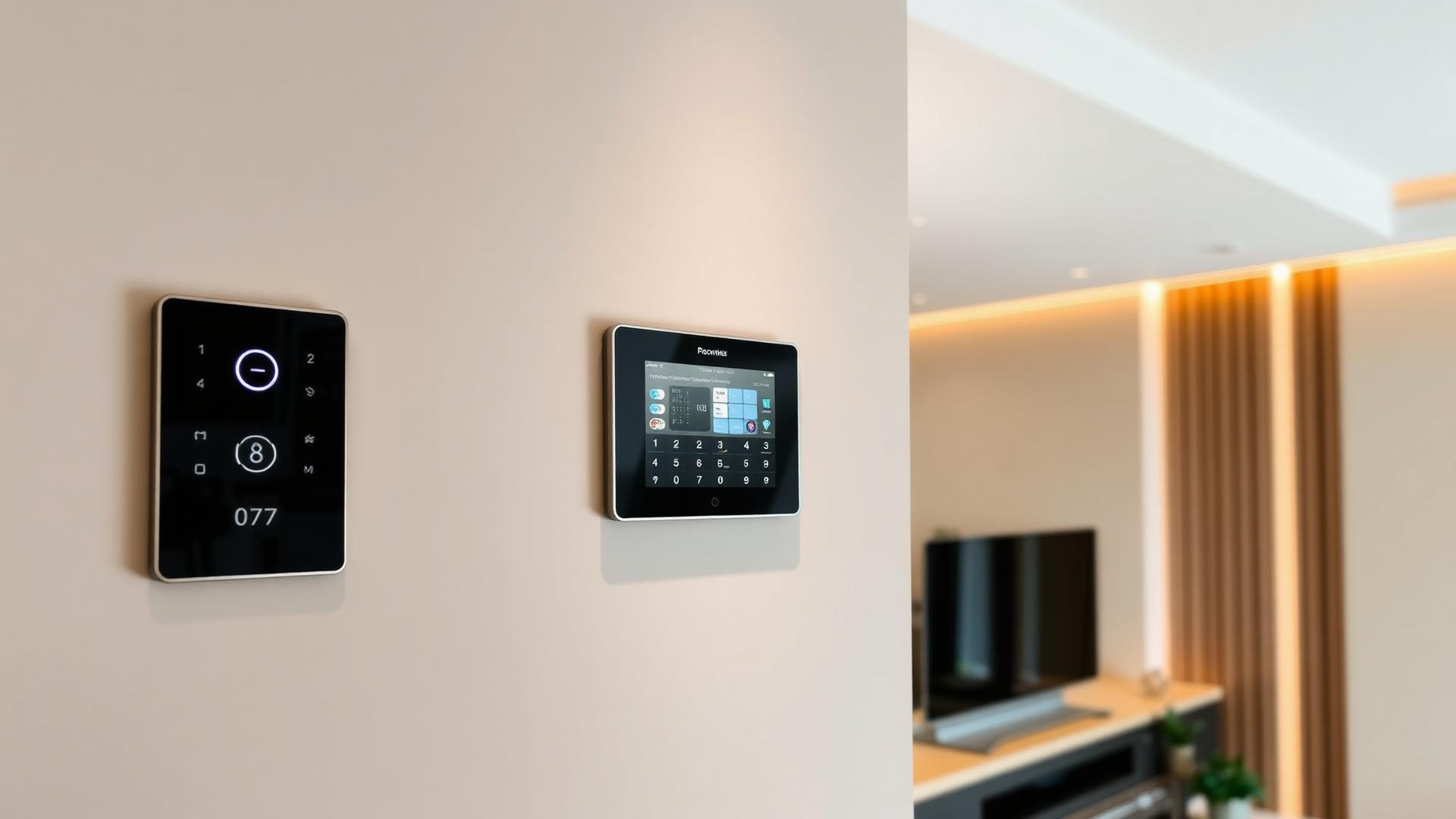
Centralized control interfaces, accessible via custom-programmed touch panels, voice commands, or secure mobile applications, will provide homeowners with instantaneous oversight and command of their entire security apparatus. Imagine a single voice command, "Secure Home," activating perimeter defenses, locking all doors, arming internal motion sensors, and dimming lights, all while providing a real-time status update. This level of comprehensive, effortless control is not just a luxury; it's a fundamental component of effective modern security management. These systems can also be managed remotely by dedicated security personnel or a trusted personal assistant, offering peace of mind even when the homeowner is traveling internationally.
Key Integration Features to Expect:
- Holistic Sensor Fusion: Combining data from motion sensors, contact sensors, glass-break detectors, and acoustic sensors to create a nuanced understanding of the home's status, minimizing false alarms and maximizing accurate threat identification.
- Automated Emergency Protocols: In the event of a detected breach, not only will authorities be alerted, but the system can automatically lock down specific zones, activate blinding strobes, emit uncomfortably loud deterrent tones, and even deploy fog barriers in designated safe rooms.
- Personalized Security Profiles: Custom profiles for different occupants (homeowners, domestic staff, guests) with varying access levels and monitoring permissions, ensuring privacy while maintaining security integrity.
- Integration with Smart Lighting & Shading: Intelligent lighting sequences can simulate occupancy when the home is empty, while automated shading can adjust to obscure views into the property, deterring potential surveillance by intruders.
The Role of Professional Installation & Ongoing Maintenance
For Charlotte's luxury real estate market, a DIY approach to smart home security is simply not feasible or advisable. The complexity of these integrated systems, the need for bespoke programming, and the imperative for flawless operation demand the expertise of highly specialized professionals. Firms experienced in high-end installations understand the unique architectural nuances of estates built by renowned builders and the discrete aesthetic requirements of discerning clients.
Installation involves meticulous planning, precise calibration of sensors, discreet cabling, and robust network infrastructure setup. Post-installation, ongoing maintenance, system updates, and 24/7 professional monitoring become equally critical. This service ensures that the security system remains vigilant, cutting-edge, and impervious to evolving threats. Consider a 5,000-square-foot home in South Park, valued at $3.5 million; a fractional percentage of its value invested in professional security management is a prudent and necessary expenditure, akin to maintaining a high-performance luxury vehicle.
Factors to Consider When Selecting a Security Partner:
- Proven Experience in Luxury Homes: Ensure the firm has a demonstrably successful track record with properties exceeding $1.5 million in value, understanding the unique security challenges presented by expansive layouts and high-value contents.
- Comprehensive Service Offerings: Look for partners who offer end-to-end solutions, from consultation and design to installation, integration, monitoring, and ongoing support.
- Certifications & Industry Affiliations: Verify relevant industry certifications and affiliations, which often indicate adherence to best practices and ethical standards.
- Discreet & Respectful Operations: High-end clients value discretion. A professional team respects privacy, operates efficiently, and minimizes disruption to the household.
- Scalability & Future-Proofing: The chosen system should be designed with future upgrades and expansion in mind, ensuring it can adapt to emerging technologies without requiring a complete overhaul.
Privacy, Data Security, and Ethical Considerations
As smart home security systems become increasingly sophisticated, collecting vast amounts of data—from video footage to access logs—the issues of privacy and data security move to the forefront. For high-net-worth individuals, the protection of this data is as critical as the protection of their physical assets. Leading security providers will adhere to stringent data encryption standards, utilize secure cloud storage with redundant backups, and offer transparent policies regarding data access and retention.
Luxury homeowners should inquire about server locations, data ownership, and the protocols in place to prevent unauthorized access to their security data. Furthermore, ethical considerations regarding surveillance of domestic staff and guests should be discussed and clearly delineated, often with the implementation of privacy zones or scheduled monitoring. The objective is to achieve maximum security without infringing upon reasonable expectations of privacy within one's own home, especially for families with young children or properties with frequent entertaining. The reputation of firms like Peters Team Realty, often representing clients with significant privacy concerns, underscores the importance of this delicate balance.
Future Trends: Quantum Security & Adaptive Learning Systems
Looking further into the horizon, beyond 2026, the trajectory of smart home security points towards even more revolutionary advancements. Quantum security, while still in its nascent stages for consumer applications, holds the promise of unbreakable encryption, making data breaches virtually impossible. Imagine a security network impervious to even the most advanced cyber-attacks.
Adaptive learning systems will move beyond reactive threat identification to truly predictive capabilities. These systems will not just learn routines but anticipate potential threat vectors based on broader data sets, including local crime trends, weather patterns, and even social media sentiment if appropriately managed. For instance, a system might proactively strengthen perimeter defenses during periods of heightened local crime warnings or adjust camera sensitivities based on environmental conditions. This level of intelligent, self-optimizing security represents the ultimate bespoke protection for Charlotte's most exquisite residences, from the grand estates of Ballantyne Country Club to the exclusive enclaves around Sage at Marvin.
Conclusion: An Imperative Investment for the Discerning Charlotte Homeowner
For owners of luxury homes in Charlotte, NC, from the meticulously restored historic mansions of Elizabeth to the modern architectural marvels overlooking Lake Wylie, investing in an advanced smart security system is no longer a discretionary expense but a fundamental component of opulent living. The convergence of AI, biometrics, sophisticated sensor technology, and seamless integration creates an unparalleled shield, offering both robust protection and profound peace of mind. As Charlotte continues its trajectory as a leading city for high-net-worth individuals, the demand for these sophisticated, proactive, and intelligently managed security solutions will continue to escalate.
The imperative is clear: to safeguard not just tangible assets, but the intangible values of safety, privacy, and tranquil enjoyment of one's sanctified space. Engaging with established experts in this specialized field ensures that your Charlotte luxury home is not just an architectural masterpiece but also an impenetrable, intelligently protected sanctuary, prepared for the challenges of tomorrow.
Frequently Asked Questions
What are the essential components of a 2026 smart security system for luxury homes?
In 2026, essential components include AI-powered surveillance cameras with facial recognition, integrated smart locks, advanced perimeter sensors (e.g., laser tripwires, ground-penetrating radar), drone surveillance integration, and a centralized control hub with remote access via a secure app. Biometric access control and predictive analytics for threat detection are also standard.
How do smart security systems integrate with other smart home features in Charlotte luxury properties?
Smart security systems in luxury homes seamlessly integrate with home automation. This means your security system can communicate with smart lighting (e.g., turning lights on if an intruder is detected), climate control, entertainment systems, and even smart irrigation. For example, if a breach is detected, external lights can flash, and interior lights can illuminate strategic areas.
What privacy concerns should I consider when installing advanced smart security in my luxury home?
Privacy is paramount. When installing advanced smart security, consider data encryption for all captured footage, secure cloud storage policies, and compliance with data privacy regulations. Ensure cameras are strategically placed to avoid overlooking neighboring properties. Opt for systems with local processing capabilities to minimize data transfer and choose reputable providers with strong privacy policies.
Can these advanced security systems help reduce home insurance premiums for Charlotte luxury homeowners?
Yes, often. Insurance companies frequently offer discounts for homes equipped with advanced security features. Systems with 24/7 professional monitoring, integrated fire and environmental sensors, and robust anti-theft measures demonstrate a lower risk profile. It's advisable to consult directly with your insurance provider to understand their specific discounts and requirements related to smart security systems.