Researched Guide
Compiled from public and official sources; not based on a visit.
Electric vehicle adoption among Charlotte's luxury homeowners has accelerated dramatically, with EVs from Porsche, Mercedes, BMW, Tesla, and Rivian becoming common sights in premium driveways. Installing the right home charging infrastructure is no longer optional—it's an essential component of modern luxury home design.
Charging Levels Explained
Level 1 (120V): Standard household outlet. Adds 3–5 miles of range per hour. Impractical for daily use but works as emergency backup.
Level 2 (240V): The standard for home charging. Adds 25–50 miles of range per hour depending on the charger and vehicle. Fully charges most EVs overnight. This is what most Charlotte homeowners should install.
Level 3 (DC Fast Charging): Commercial-grade charging that adds 100+ miles in 30 minutes. Too expensive and power-intensive for residential use, though some ultra-luxury homes with dedicated electrical capacity install them.
Installation Costs
A Level 2 home EV charger installation in Charlotte typically costs $1,500–$5,000 total. The charger unit itself costs $500–$1,500 (Tesla Wall Connector, ChargePoint Home Flex, JuicyBox, or Grizzl-E are popular options). Installation costs depend on the distance from your electrical panel to the charging location and whether a panel upgrade is needed.
Electrical Panel Considerations
Many Charlotte luxury homes built before 2015 have 200-amp electrical panels that may not have sufficient spare capacity for a 50-amp EV circuit. Panel upgrades ($2,000–$5,000) or smart load management systems ($300–$500) address this limitation. New construction should spec 400-amp service as standard for luxury homes.
Multiple Vehicle Charging
Households with two or more EVs need thoughtful planning. Options include dedicated circuits for each vehicle ($1,500–$3,000 per circuit), smart chargers that share a single circuit and alternate charging ($500–$1,000 for the sharing module), or a higher-capacity panel that supports simultaneous charging.
Garage Design Integration
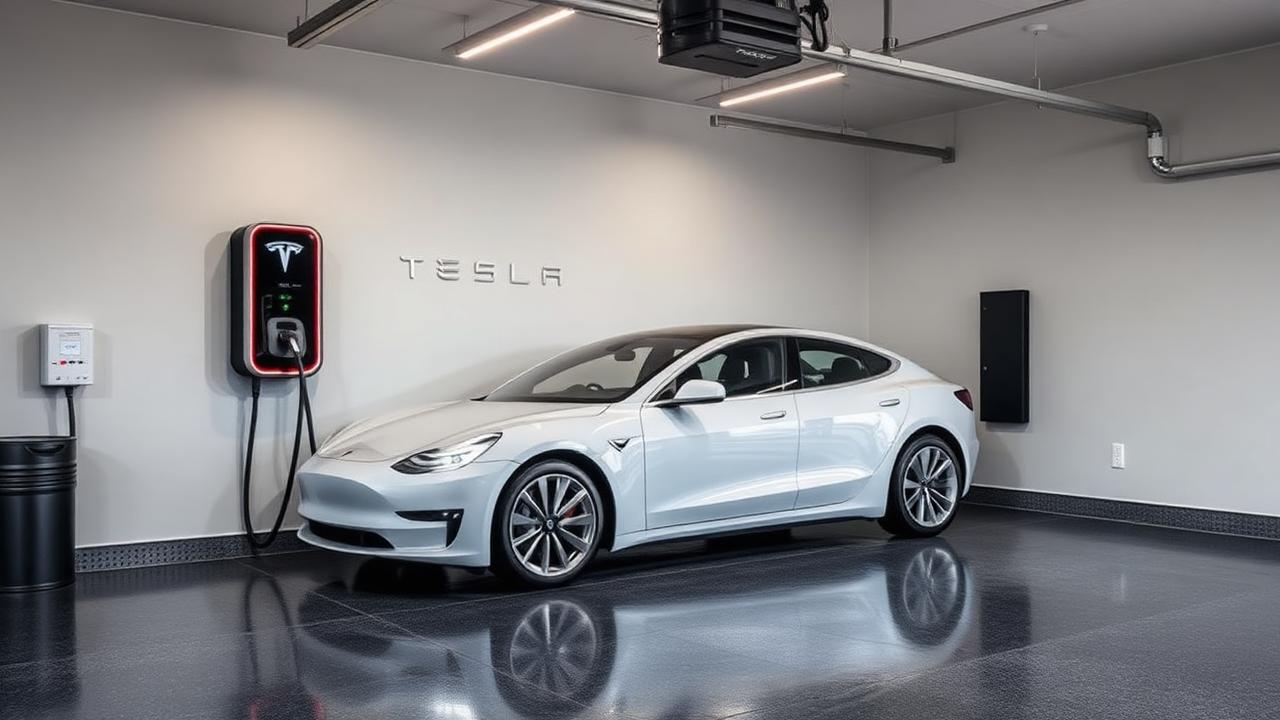
In luxury homes, EV charging should be integrated into garage design—not bolted on as an afterthought. Dedicated EV parking positions with cable management, adequate lighting, and clean installation create a polished look. Some Charlotte homeowners incorporate charging into covered carports or outdoor parking structures.
Solar Integration
Pairing EV charging with home solar panels creates a compelling sustainability story—and reduces charging costs to near zero. A 10kW solar system ($20,000–$30,000 before incentives) can generate enough electricity to offset daily driving for most Charlotte commuters while also powering the home. Battery storage systems add another $10,000–$20,000 but provide backup power and peak-shaving benefits.
Smart Charging Features
Modern EV chargers offer features that optimize cost and convenience: scheduled charging during off-peak electricity rates (saving 30–50% on charging costs), energy monitoring and reporting, integration with smart home systems, and remote start/stop via smartphone.
Future-Proofing
Even if you don't currently own an EV, future-proofing your garage with a 240V outlet and dedicated circuit ($500–$1,000 during new construction or renovation) is a smart investment. EV adoption is accelerating, and having charging infrastructure adds resale value and eliminates a future retrofit cost.
Charlotte's EV Landscape: Trends and Neighborhoods
Charlotte's ascent as a major metropolitan hub is mirrored in its growing embrace of electric vehicles, particularly within its affluent communities. Neighborhoods like Eastover, SouthPark, Myers Park, and Providence Country Club are seeing a significant influx of luxury EVs. These areas, characterized by larger lot sizes and newer or extensively renovated homes, provide ample space for dedicated charging installations. The demand for EV charging infrastructure here is directly correlated with the luxury automotive market, with residents often opting for premium charging solutions that match their high-end vehicles.
Data from the North Carolina Department of Transportation shows a steady increase in EV registrations across Mecklenburg County. This trend is expected to continue, driven by manufacturer commitments to electric lineups and increasing consumer awareness of environmental benefits and long-term cost savings. Homeowners in these desirable Charlotte enclaves are not just looking for convenience; they are investing in a sustainable future and enhancing their property's appeal. For those considering a move to these areas or within them, ensuring robust EV charging capabilities is becoming a non-negotiable aspect of luxury living.
Choosing the Right Charger for Your Charlotte Lifestyle
The selection of an EV charger is a nuanced decision for Charlotte's luxury homeowners, extending beyond mere functionality. It involves considering vehicle compatibility, desired charging speed, smart features, and aesthetic integration. Popular brands for high-end installations include:
- Tesla Wall Connector: Seamless integration for Tesla owners, known for its sleek design and robust performance.
- ChargePoint Home Flex: A versatile option compatible with all EVs, offering smart features and convenient app control.
- Enel X JuiceBox: Renowned for its durability and smart charging capabilities, ideal for those seeking advanced energy management.
- Grizzl-E: A heavy-duty, reliable charger that provides consistent performance in various weather conditions, common in the variable Charlotte climate.
When selecting a charger, consider your typical daily commute. For instance, a professional working in the financial district or attending meetings downtown might drive 40-60 miles daily. A Level 2 charger adding 30-40 miles per hour of charging would easily replenish this overnight. However, if you frequently take longer trips to the mountains or the coast from your Charlotte home, a higher-amperage Level 2 charger (e.g., 48A) might be preferable to ensure a quicker full charge when needed.
Navigating Local Regulations and Incentives
While direct local incentives for home EV charger installations are less common in Charlotte than in some other major cities, it's crucial to stay informed. Federal tax credits and rebates can significantly reduce the upfront cost of both chargers and solar installations. Duke Energy, the primary utility provider for Charlotte, often offers rebates or special electricity rates for EV charging. It’s advisable for homeowners to visit the Duke Energy website or consult with their electrician about potential programs. Additionally, homeowners' associations (HOAs) in some luxury communities might have specific guidelines regarding exterior installations, so a quick check with your HOA board is recommended.
The permitting process for electrical work, including EV charger installation, is handled by Mecklenburg County. Reputable electricians will manage this process for you, ensuring all installations meet safety codes. This is particularly important for installations in older homes or those with complex electrical systems, common in historic neighborhoods like Dilworth or Myers Park.
The Role of Electricians in Charlotte Luxury Home EV Charging
Selecting a qualified and experienced electrician is paramount for a safe, efficient, and aesthetically pleasing EV charging setup in a luxury Charlotte home. Look for electricians who:
- Have specific experience installing EV chargers.
- Are familiar with smart home integration.
- Can assess your home's electrical capacity and recommend necessary upgrades.
- Understand local electrical codes and permitting requirements.
- Provide clean, professional workmanship that complements your home's design.
Many Charlotte-based electrical contractors specialize in residential EV charger installations. Some prominent local companies include CircuitLaunch Electrical, Expert Electric, and Bolt Electric, renowned for their expertise in handling high-end residential projects. Obtaining multiple quotes and checking reviews is always a wise practice.
Maximizing Home Value with EV Charging Infrastructure
In Charlotte's competitive luxury real estate market, a pre-installed, high-quality EV charging station is a significant value-add. Properties equipped with such amenities are increasingly attractive to a growing segment of buyers. According to recent real estate trends in areas like Weddington and Lake Norman, homes with integrated smart technology and sustainable features command higher prices and sell faster. An EV charger signals that a home is modern, forward-thinking, and equipped for the future. For homeowners planning to sell, ensuring your charging setup is visible, well-maintained, and ideally connected to a robust electrical system can differentiate your property and potentially shorten your time on the market.
Beyond the Garage: Outdoor and Multi-Unit Solutions
While most luxury EV charging is installed in garages, some Charlotte homeowners are exploring creative outdoor solutions. This could involve discreetly mounted chargers under covered carports or integrated into exterior architectural features. For properties with multiple vehicles, planning for simultaneous charging is key. This might involve a higher-amperage main panel or multiple dedicated circuits. For townhome owners or those in upscale condo communities, discussing shared charging solutions with property management or developers is becoming increasingly important. While public charging stations are available in Charlotte (e.g., in South End or Uptown), the convenience of home charging remains the gold standard for luxury living.
The Synergy of Smart Homes and EV Charging
The integration of EV charging with broader smart home ecosystems elevates the luxury living experience. Imagine your home's central smart hub (like Savant, Crestron, or Control4) communicating with your EV charger. This allows for:
- Automated Charging Schedules: Set charging to begin only when electricity rates are lowest, typically between midnight and 6 AM, based on your Duke Energy plan.
- Energy Management: Monitor overall home energy consumption and see how EV charging impacts your usage in real-time.
- Voice Control: Start or stop charging using voice commands through platforms like Alexa or Google Assistant.
- Solar Integration: Prioritize charging your EV with excess solar energy generated during the day, further reducing reliance on the grid and utility costs.
This level of integration, common in new luxury builds in communities like Providence, means your EV charger isn't just a utility; it's a seamlessly connected part of your intelligent home environment.
Future-Proofing Charlotte Estates for Electric Mobility
As Charlotte continues to grow and innovate, its luxury real estate market must adapt to emerging technologies. Electric vehicles are no longer a niche market but a significant and growing segment of the automotive industry. Investing in comprehensive EV charging infrastructure—whether through new construction specifications or upgrades in existing homes—is a strategic move. It ensures that Charlotte's most prestigious residences remain at the forefront of modern living, appealing to discerning buyers who value technology, sustainability, and convenience. The foresight to install robust charging solutions today will undoubtedly pay dividends in the future, both in terms of lifestyle and property value.
Maintaining Your EV Charging System
Once installed, an EV charging system requires minimal maintenance, but a few best practices ensure longevity and optimal performance. Regularly inspect the charging cable and connector for any signs of wear or damage. Keep the charging station clean and free of debris. For smart chargers, ensure the firmware is updated regularly via the associated app; these updates often include performance enhancements and security patches. Most reputable chargers come with warranties ranging from 2 to 5 years, so keep your installation records handy. Routine inspections by a qualified electrician every few years can also catch potential issues before they become significant problems, ensuring your Charlotte luxury home's charging system remains reliable for years to come.
Frequently Asked Questions
How much does home EV charging installation cost?
$1,500-$5,000 total including charger unit ($500-$1,500) and electrical installation. Panel upgrades add $2,000-$5,000 if needed.
What level charger should I install at home?
Level 2 (240V) is the standard for home use, adding 25-50 miles of range per hour and fully charging most EVs overnight.
Do I need to upgrade my electrical panel for EV charging?
Homes with 200-amp panels may need upgrades or smart load management. New luxury construction should specify 400-amp service.
Can I charge two EVs at home?
Yes—with dedicated circuits for each vehicle, smart charger sharing, or a higher-capacity electrical panel.
Should I add solar panels with EV charging?
Solar integration reduces charging costs to near zero. A 10kW system ($20,000-$30,000 before incentives) can offset daily driving.
Does EV charging infrastructure add home value?
Yes—installed EV charging adds resale value as EV adoption accelerates, and avoids future retrofit costs.