Researched Guide
Compiled from public and official sources; not based on a visit.
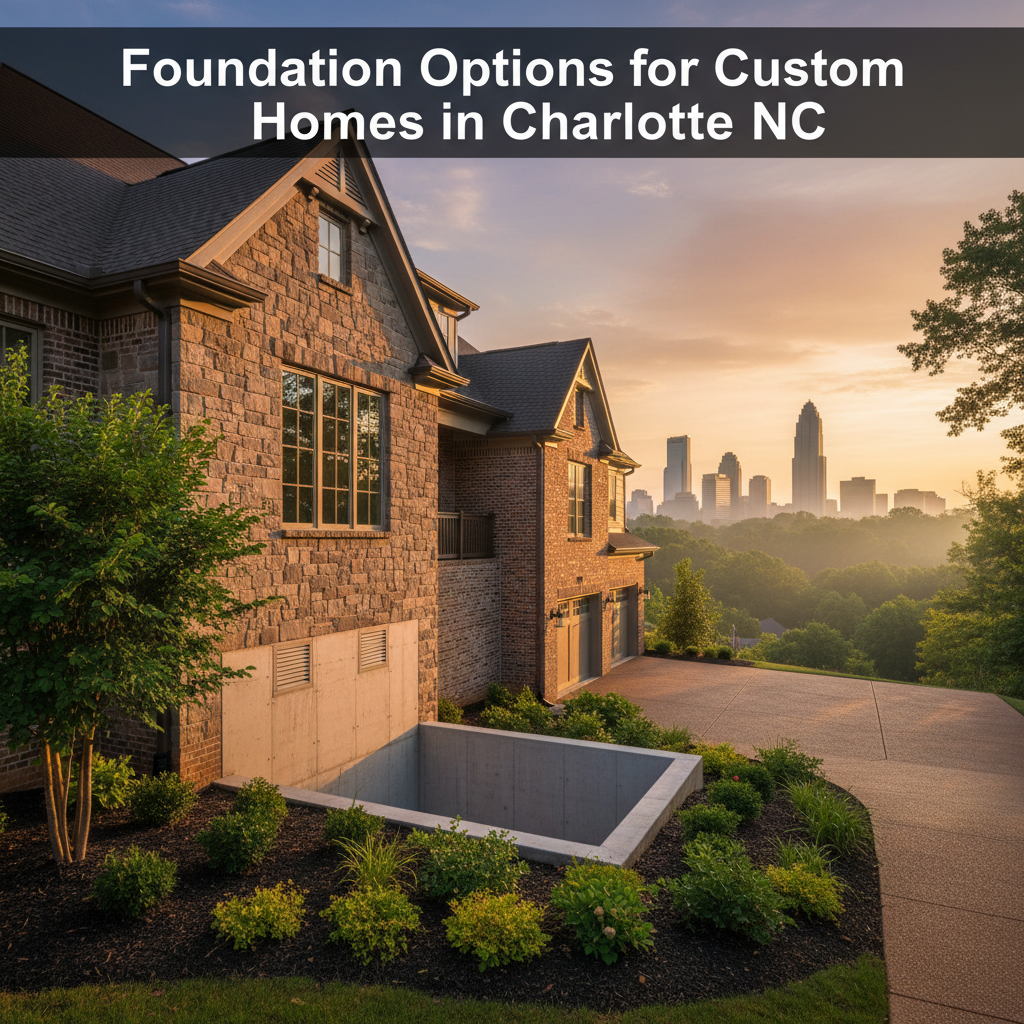
Foundation Options for Custom Homes in Charlotte NC
Building a custom home in Charlotte, NC is an exciting endeavor, offering the unique opportunity to craft a living space perfectly tailored to your dreams. While aesthetic choices like architectural style, bespoke finishes, and expansive floor plans often capture the initial imagination, one of the most critical decisions, yet frequently overlooked, is the foundation system. The foundation is the bedrock of your home, impacting everything from structural integrity and energy efficiency to resale value and long-term maintenance. For discerning homeowners in Charlotte, understanding the pros and cons of slab, crawl space, and full basement foundations is paramount.
Charlotte's unique geographical characteristics, primarily its distinctive Piedmont region soil, play a significant role in foundation selection. Composed largely of residual soils developed from the weathering of granitic and metamorphic rocks, Charlotte's soil can vary greatly in composition and stability, sometimes requiring specific engineering considerations. This article delves into the nuances of each foundation type, helping you and your builder, such as the renowned team at Peters Custom Homes, make an informed decision for your luxury Charlotte residence.
Slab Foundations: The Efficient and Modern Choice
A slab-on-grade foundation is precisely what it sounds like: a thick, reinforced concrete slab poured directly onto prepared ground. This foundation type is common in many parts of the country, and increasingly popular in Charlotte for its cost-effectiveness and efficiency.
Advantages of Slab Foundations:
- Cost-Effective: Generally, slab foundations are the least expensive to construct due to less excavation and labor involved compared to crawl spaces or basements. This can translate into more budget for those luxurious interior finishes you've been dreaming of, perhaps inspired by designs from Emerald & Oak Design.
- Faster Construction: The simpler construction process means shorter build times, allowing you to move into your custom Charlotte home sooner.
- Energy Efficiency: A well-insulated slab can be very energy efficient. There's no open air space underneath to heat or cool, which can reduce utility bills, especially when combined with radiant floor heating systems.
- Pest Resistance: With no open areas beneath the home, slabs inherently offer fewer entry points for pests like termites or rodents.
- Accessibility: For homes designed with aging-in-place or universal design principles, a slab foundation eliminates steps at entryways, making the home more accessible.
Considerations for Slab Foundations:
- Limited Space: There's no additional space for storage, utilities, or future expansion under the home. All plumbing and electrical lines are embedded within the slab.
- Repair Challenges: Accessing plumbing or electrical lines embedded in the slab can be difficult and costly if repairs are needed, often requiring breaking up the concrete.
- Moisture Issues: While less prone to widespread moisture infiltration than a poorly managed crawl space, vapor barriers and proper grading are crucial to prevent moisture from wicking up through the concrete.
- Soil Conditions: In areas of Charlotte with expansive clay soils, which can swell and shrink with moisture changes, a properly engineered post-tensioned slab or deep-piered slab may be required to maintain stability, adding to the cost.
Crawl Space Foundations: The Traditional Charlotte Choice
Crawl space foundations elevate the home a few feet off the ground, creating a shallow plenum beneath the main living area. This has historically been a very popular option in the Southeast, including Charlotte, offering a balance of benefits.
Advantages of Crawl Space Foundations:
- Easier Access to Utilities: This is a major advantage. Plumbing, electrical wiring, and HVAC ductwork are easily accessible for maintenance, repairs, or future modifications.
- Drainage: The elevated nature of a crawl space can help protect the home from minor flooding and allows for easier drainage management around the foundation, which is beneficial in areas with heavy rainfall.
- Flexibility for Future Remodeling: Adding or reconfiguring mechanical systems is far simpler with a crawl space.
- Comfort: Some argue that the air cushion provided by a crawl space contributes to a slightly warmer floor in winter and cooler in summer, although proper insulation is key.
Considerations for Crawl Space Foundations:
- Moisture and Humidity: This is the most significant challenge. Unsealed or poorly ventilated crawl spaces are highly susceptible to moisture buildup, leading to mold, mildew, wood rot, pests, and poor indoor air quality that can permeate the living space. Encapsulation (sealing the crawl space, adding a vapor barrier, and controlling humidity with a dehumidifier) is now highly recommended by builders like Peters Custom Homes to mitigate these issues, adding to the initial cost.
- Pest Infestation: The open nature of a traditional crawl space provides easy entry for insects and rodents, making pest control an ongoing necessity.
- Higher Construction Cost: Generally more expensive than a slab due to increased excavation, materials for walls, and often, encapsulation.
- Energy Loss: If not properly insulated and sealed, crawl spaces can be a significant source of energy loss.
Full Basement Foundations: The Ultimate in Space and Versatility
A full basement foundation extends the living space vertically by creating a conditioned area similar in size to the footprint of the home itself. While more common in colder climates, luxury custom homes in Charlotte are increasingly opting for basements due to their undeniable advantages.
Advantages of Full Basement Foundations:
- Maximizing Usable Space: This is the primary driver. A basement offers significant square footage that can be finished to create additional bedrooms, home theaters, wine cellars, home gyms, or expansive entertainment areas, effectively doubling the usable living space without expanding the footprint on your lot. This is particularly valuable on smaller lots or when wishing to preserve outdoor space.
- Increased Resale Value: Finished basements are a highly desirable feature in the luxury market, significantly boosting a property's value and appeal, particularly when designed with the sophisticated touch of Emerald & Oak Design elements.
- Storm Shelter: Basements provide excellent protection during severe weather, offering a safe haven from high winds and tornadoes.
- Energy Efficiency: Below-grade living spaces benefit from the insulating properties of the surrounding earth, leading to more stable temperatures and lower energy costs if properly insulated and conditioned.
- Accessibility: All utility lines are easily accessible for maintenance and repair.
Considerations for Full Basement Foundations:
- Highest Construction Cost: Basements are the most expensive foundation option due to extensive excavation, concrete pouring, waterproofing, and structural requirements.
- Waterproofing Challenges: Proper waterproofing is absolutely critical. Charlotte's soil and potential for heavy rains mean that robust drainage systems, sump pumps, and exterior and interior waterproofing are essential to prevent moisture intrusion. This is an area where cutting corners can lead to significant long-term problems.
- Soil Conditions: The suitability of soil for deep excavation needs careful assessment. High water tables or unstable soil layers can make basement construction significantly more complex and expensive, or even impossible in certain areas.
- Natural Light: Basements inherently have less natural light, although innovations like egress windows, walk-out designs (if topography permits), and light wells can mitigate this.
Charlotte's Soil: A Critical Factor
Regardless of the foundation type chosen, understanding the specific soil conditions on your Charlotte property is non-negotiable. Builders like Peters Custom Homes will always recommend a geotechnical report. This report analyzes the soil composition, bearing capacity, and identifies potential issues like expansive clays or high water tables. The findings will directly influence the foundation design, potentially requiring deeper footings, specialized drainage, or reinforced concrete to ensure the long-term stability and integrity of your luxury custom home.
Making the Right Decision for Your Charlotte Luxury Home
The choice between a slab, crawl space, or full basement foundation for your custom home in Charlotte, NC is a nuanced one. It involves weighing your budget, lifestyle needs, aesthetic preferences, and the specific characteristics of your building site. While a slab offers efficiency and cost savings, a crawl space provides essential utility access, and a basement delivers unparalleled space and versatility.
Engaging early with an experienced custom home builder, such as Peters Custom Homes, and collaborating with a reputable architectural and interior design firm like Emerald & Oak Design, is crucial. They can guide you through the technical considerations, provide realistic cost estimates, and help you select the foundation that not only meets engineering requirements but also perfectly complements your vision for an exceptional Charlotte luxury home.
Frequently Asked Questions About Home Foundations in Charlotte
Q: Is one foundation type inherently better than the others for Charlotte, NC?
A: No single foundation type is universally 'best' for all properties in Charlotte. The ideal choice depends heavily on your specific lot's soil conditions, your budget, desired living space, and long-term goals for your home. Consulting with a geotechnical engineer and an experienced custom builder like Peters Custom Homes is essential to determine the most suitable option for your unique situation.
Q: What are the key considerations regarding Charlotte's soil for home foundations?
A: Charlotte's Piedmont region soil can include expansive clays that swell and shrink with moisture changes. A geotechnical report is crucial to identify soil composition, bearing capacity, and potential water tables. This information guides engineers in designing a foundation that can withstand these local conditions, sometimes requiring specialized reinforcement or drainage.
Q: How much more expensive is a basement compared to a slab or crawl space in Charlotte?
A: Basements are typically the most expensive foundation option, often adding 10-25% or more to the overall construction cost compared to a slab. The cost varies significantly based on excavation depth, waterproofing requirements, and whether the basement will be finished. Crawl spaces are generally intermediary in cost, more than a slab but less than a basement, especially if encapsulated.
Q: Can I build a basement on any lot in Charlotte?
A: While many lots in Charlotte can accommodate a basement, some may not be suitable. Factors like a high water table, unstable soil, or solid rock close to the surface can make basement construction significantly more complex, expensive, or even impractical. A thorough site analysis and geotechnical report are necessary to determine feasibility.
Q: What are the latest trends in foundation technology for luxury homes?
A: For luxury homes, trends include enhanced crawl space encapsulation with integrated dehumidifiers for superior air quality and energy efficiency, radiant floor heating embedded in slab foundations, and advanced waterproofing systems for basements that include multiple layers of protection and smart sump pump technology. These innovations aim to improve comfort, durability, and energy performance.
Frequently Asked Questions
Is one foundation type inherently better than the others for Charlotte, NC?
No single foundation type is universally 'best' for all properties in Charlotte. The ideal choice depends heavily on your specific lot's soil conditions, your budget, desired living space, and long-term goals for your home. Consulting with a geotechnical engineer and an experienced custom builder like Peters Custom Homes is essential to determine the most suitable option for your unique situation.
What are the key considerations regarding Charlotte's soil for home foundations?
Charlotte's Piedmont region soil can include expansive clays that swell and shrink with moisture changes. A geotechnical report is crucial to identify soil composition, bearing capacity, and potential water tables. This information guides engineers in designing a foundation that can withstand these local conditions, sometimes requiring specialized reinforcement or drainage.
How much more expensive is a basement compared to a slab or crawl space in Charlotte?
Basements are typically the most expensive foundation option, often adding 10-25% or more to the overall construction cost compared to a slab. The cost varies significantly based on excavation depth, waterproofing requirements, and whether the basement will be finished. Crawl spaces are generally intermediary in cost, more than a slab but less than a basement, especially if encapsulated.
Can I build a basement on any lot in Charlotte?
While many lots in Charlotte can accommodate a basement, some may not be suitable. Factors like a high water table, unstable soil, or solid rock close to the surface can make basement construction significantly more complex, expensive, or even impractical. A thorough site analysis and geotechnical report are necessary to determine feasibility.
What are the latest trends in foundation technology for luxury homes?
For luxury homes, trends include enhanced crawl space encapsulation with integrated dehumidifiers for superior air quality and energy efficiency, radiant floor heating embedded in slab foundations, and advanced waterproofing systems for basements that include multiple layers of protection and smart sump pump technology. These innovations aim to improve comfort, durability, and energy performance.